

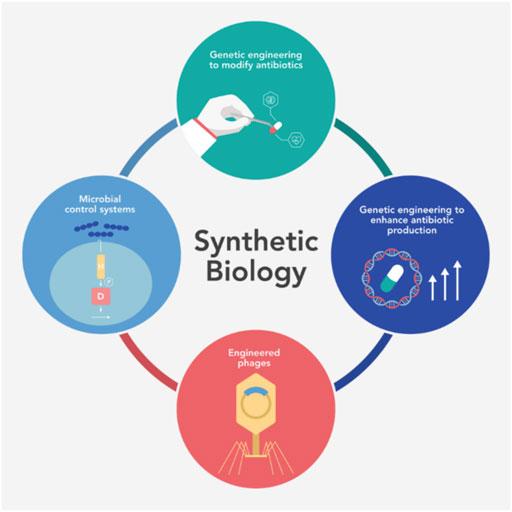
South Korea is emerging as a leading force in Asia’s synthetic biology sector by uniquely combining the rapid innovation characteristic of China with the meticulous precision typical of Japan. This strategic blend is positioning the country at the forefront of biotech advancements, driving significant breakthroughs in areas ranging from pharmaceuticals to bioengineering. According to a recent report by CHOSUNBIZ, South Korea’s accelerated research pace, paired with stringent quality control and detailed execution, is enabling it to outpace regional competitors and set new standards for synthetic biology across Asia.
Korea’s Synthetic Biology Sector Accelerates by Combining Chinese Innovation Culture with Japanese Rigorous Standards
Korea’s synthetic biology sector is gaining unprecedented momentum by strategically merging the rapid innovation ethos often attributed to Chinese tech enterprises with the meticulous quality control and precision engineering standards synonymous with Japanese industries. This blend has created a dynamic ecosystem where speed and accuracy coexist, fostering breakthroughs in gene editing, bio-manufacturing, and sustainable biomaterials. Korean companies are increasingly adopting agile development cycles and open collaboration, reflective of China’s bold innovation culture, while simultaneously enforcing rigorous quality assurance protocols drawn from Japan’s disciplined approach. This hybrid methodology is proving instrumental in reducing time-to-market without compromising reliability, positioning Korea as a formidable force in Asia’s bioeconomy landscape.
Industry leaders highlight several key factors behind this successful synthesis:
- Accelerated R&D Pipelines inspired by Chinese fast-fail methodology, enabling rapid prototyping and iteration.
- Strict Regulatory Compliance modeled after Japanese standards, ensuring scalability and global market readiness.
- Cross-border Collaborations that leverage regional expertise and resource-sharing among China, Japan, and Korea.
- Government-backed Innovation Grants fueling startups that embrace this combined cultural strategy.
Together, these elements have catapulted Korea ahead of its Asian peers in synthetic biology output and commercialization rates.
| Factor | Chinese Model | Japanese Model | Korean Integration | ||||||||||||||||||||||||||||||||||||||||||||||||
|---|---|---|---|---|---|---|---|---|---|---|---|---|---|---|---|---|---|---|---|---|---|---|---|---|---|---|---|---|---|---|---|---|---|---|---|---|---|---|---|---|---|---|---|---|---|---|---|---|---|---|---|
| Innovation Speed | High – Emphasis on quick experimentation | Moderate – Careful planning and testing | Balanced – Rapid yet controlled development | ||||||||||||||||||||||||||||||||||||||||||||||||
| Quality Assurance | Flexible – Adaptive to change | Very strict – Zero tolerance for defects | Strict – Maintaining high standards with agile updates | ||||||||||||||||||||||||||||||||||||||||||||||||
| Collaboration | Open and competitive | Structured and hierarchical | Hybrid – Cooperative with clear protocols | ||||||||||||||||||||||||||||||||||||||||||||||||
| Regulatory Approach | Looser for rapid deployment | Stringent and detailed | Strict but efficient It looks like your last table row is incomplete. Here’s the corrected and completed HTML snippet for the last row “Regulatory Approach” and the rest of the table for consistency:
If you want, I can also help you with additional improvements or further content for your post! Strategic Government Policies and Industry Collaborations Position Korea as Asia’s Synthetic Biology PowerhouseSouth Korea’s ascent as Asia’s synthetic biology frontrunner is deeply rooted in its proactive government initiatives that mirror the rapid execution typical of China and the meticulous attention to detail seen in Japan. Through substantial funding allocations, streamlined regulatory frameworks, and the establishment of specialized biotech innovation zones, Seoul has crafted an environment where startups and established enterprises alike can thrive with unprecedented agility. The Ministry of Science and ICT and the Korea Research Institute of Bioscience and Biotechnology (KRIBB) have played pivotal roles in driving targeted research while fostering an ecosystem conducive to scalable industrial applications. Crucial to this momentum is a web of strategic partnerships bridging academia, industry, and government bodies. Collaborations span from multinational pharmaceutical giants to nimble domestic startups, enabling cross-pollination of cutting-edge technologies and market insights. These alliances facilitate shared access to advanced biofoundries, high-throughput screening platforms, and AI-driven metabolic engineering tools. The synergy has accelerated product pipelines, particularly in sustainable bio-manufacturing and synthetic enzymes, positioning Korea not just as a regional leader but a versatile contender on the global stage.
Recommendations for Sustaining Growth Emphasize Investment in Talent Development and Cross-Border Research PartnershipsFostering a robust talent pipeline remains a cornerstone of Korea’s strategy to cement its leadership in synthetic biology. Leading institutions and biotech firms are prioritizing comprehensive training programs that blend cutting-edge academic research with real-world industry experience. This approach cultivates a new generation of scientists adept at navigating both the rapid innovation cycles typical of China’s biotech landscape and the meticulous, quality-focused ethos characteristic of Japan. Equally pivotal is the emphasis on cross-border collaboration, which bolsters Korea’s position as a regional innovation hub. Strategic partnerships spanning Asia enable knowledge exchange and resource sharing that accelerate breakthrough developments. Key areas benefiting from such alliances include:
In SummaryAs Korea continues to harness the rapid advancements characteristic of China alongside the meticulous precision exemplified by Japan, its synthetic biology sector is poised to set new benchmarks within Asia. This strategic blend of speed and accuracy not only accelerates innovation but also cements Korea’s position as a leading hub in the burgeoning field. Moving forward, the country’s ability to integrate these complementary strengths will be crucial in shaping the future landscape of biotechnology across the region. |