

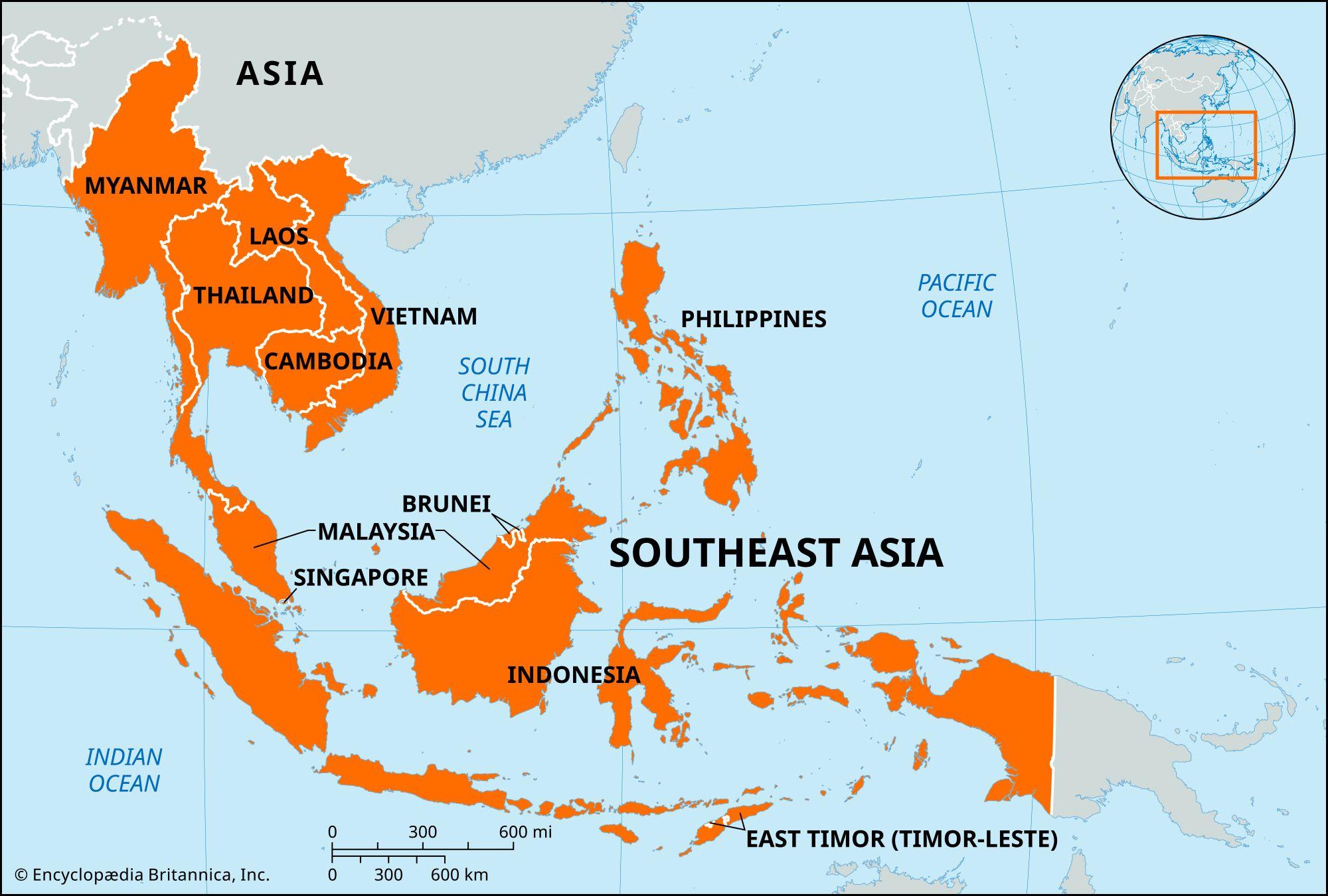
As Southeast Asia approaches 2025, the region’s agricultural trade and competitive landscape are poised for significant transformation. Driven by shifting market dynamics, technological advancements, and evolving trade policies, Southeast Asia is rapidly emerging as a key player in the global agri trade arena. This article explores the latest trends, challenges, and opportunities shaping the agricultural sector across nations such as Indonesia, Vietnam, Thailand, and the Philippines, offering insights into how farm practices, export strategies, and regional cooperation are redefining competitiveness. With expert analysis from Farmonaut, we delve into what the future holds for Southeast Asia’s agriculture industry in the coming years.
Southeast Asia’s Agricultural Trade Landscape Shifts Amid Emerging Market Dynamics
The agricultural trade environment in Southeast Asia is undergoing significant transformations driven by evolving regional demands and shifting global market influences. Nations like Indonesia, Vietnam, and Thailand are recalibrating their export and import strategies, focusing increasingly on high-value crops such as durians, coffee, and spices. This shift is also fueled by the rise of sustainable farming practices, which are gradually becoming central to trade negotiations and supply chain recalibrations. Trade agreements and partnerships within ASEAN continue to shape the landscape, encouraging diversification and resilience against external shocks like fluctuating commodity prices or supply chain disruptions.
Emerging market dynamics spotlight the increased role of digital technologies and smart agriculture, which are enhancing productivity and traceability, thus opening new avenues for competitive advantage. Smallholder farmers, traditionally sidelined in export volumes, are being integrated through cooperative models supported by government initiatives and private investments. Below is a snapshot of key trade flow shifts observed in 2024:
| Country | Leading Export Crop | Export Growth % (2023-24) | Emerging Market Focus |
|---|---|---|---|
| Vietnam | Robusta Coffee | 12% | Organic & Specialty Markets |
| Thailand | Durian | 18% | China & Middle East |
| Indonesia | Spices (Nutmeg, Clove) | 9% | Regional ASEAN Demand |
| Philippines | Coconut Products | 7% | Vegan & Health Foods |
- Rising middle-class consumption in neighboring Asian economies is redirecting farming priorities.
- Climate response initiatives are redefining crop selection and farming intensity.
- Digital agri-platforms are increasingly connecting producers directly with global buyers.
Key Drivers Reshaping Competitiveness Across Regional Farming Sectors
Across Southeast Asia, the agricultural sector is witnessing transformative shifts driven by technological adoption, policy reforms, and evolving market demands. Precision farming and smart agri-tech are becoming pivotal, enabling farmers to optimize resource use and boost yields in a region often challenged by climatic uncertainties. Simultaneously, cross-border trade agreements and government incentives are stimulating investments, fostering a more integrated and competitive farming landscape. These factors collectively elevate productivity while enhancing the sector’s resilience against environmental and economic shocks.
Moreover, consumer preferences toward sustainable and organic produce are influencing cultivation patterns and supply chains, prompting regional producers to rethink traditional practices. Key variables such as labor availability, infrastructure quality, and access to finance continue to shape competitive advantages, varying widely between rural and urban hubs. Below is a snapshot comparing selected drivers across prominent farming regions in Southeast Asia:
| Driver | Indonesia | Vietnam | Thailand | Philippines |
|---|---|---|---|---|
| Technology Penetration | Medium | High | High | Medium |
| Government Support | Strong | Moderate | Strong | Moderate |
| Export Volume Growth | 8% YoY | 12% YoY | 7% YoY | 9% YoY |
| Labor Cost Competitiveness | Low | Medium | High | Low |
| Sustainability Focus | Emerging | Advanced | Established | Emerging |
Strategic Recommendations for Stakeholders Navigating Southeast Asia’s Agri Trade in 2025
For stakeholders aiming to capitalize on Southeast Asia’s dynamic agricultural trade environment in 2025, a proactive approach rooted in local market intelligence is paramount. Prioritizing partnerships with regional agritech startups, and embracing digital traceability tools can significantly enhance supply chain transparency and reduce transaction costs. Key focus areas should include:
- Investing in climate-resilient crop varieties to safeguard yields amid increasing weather volatility.
- Leveraging cross-border trade agreements to unlock preferential market access.
- Adopting data-driven logistics platforms for optimized export routing.
Moreover, integrating sustainability benchmarks into sourcing strategies will position businesses favorably with global buyers prioritizing ethical and environmental compliance. Close collaboration with local governments to navigate regulatory shifts-especially on tariffs and phytosanitary standards-can mitigate unforeseen disruptions. The table below outlines critical trade factors and their projected impact towards the year’s end:
| Trade Factor | Projected Impact | Action Item |
|---|---|---|
| ASEAN Trade Liberalization | Moderate increase in export volume | Expand intra-ASEAN partnerships |
| Supply Chain Digitization | Improved efficiency and traceability | Implement blockchain solutions |
| Environmental Regulations | Stricter compliance requirements | Invest in sustainable practices |
The Conclusion
As Southeast Asia navigates the rapidly evolving landscape of agricultural trade, 2025 stands as a pivotal year marked by both challenges and opportunities. With advancements in technology, shifting market dynamics, and increased regional collaboration, the competitive environment is set to redefine the sector’s trajectory. Stakeholders across the board-from farmers to policymakers-must remain vigilant and adaptive to harness growth potential while addressing sustainability and trade complexities. Farmonaut’s insights offer a comprehensive look into these emerging trends, underscoring the critical role Southeast Asia will play in the global agri trade arena in the years to come.