

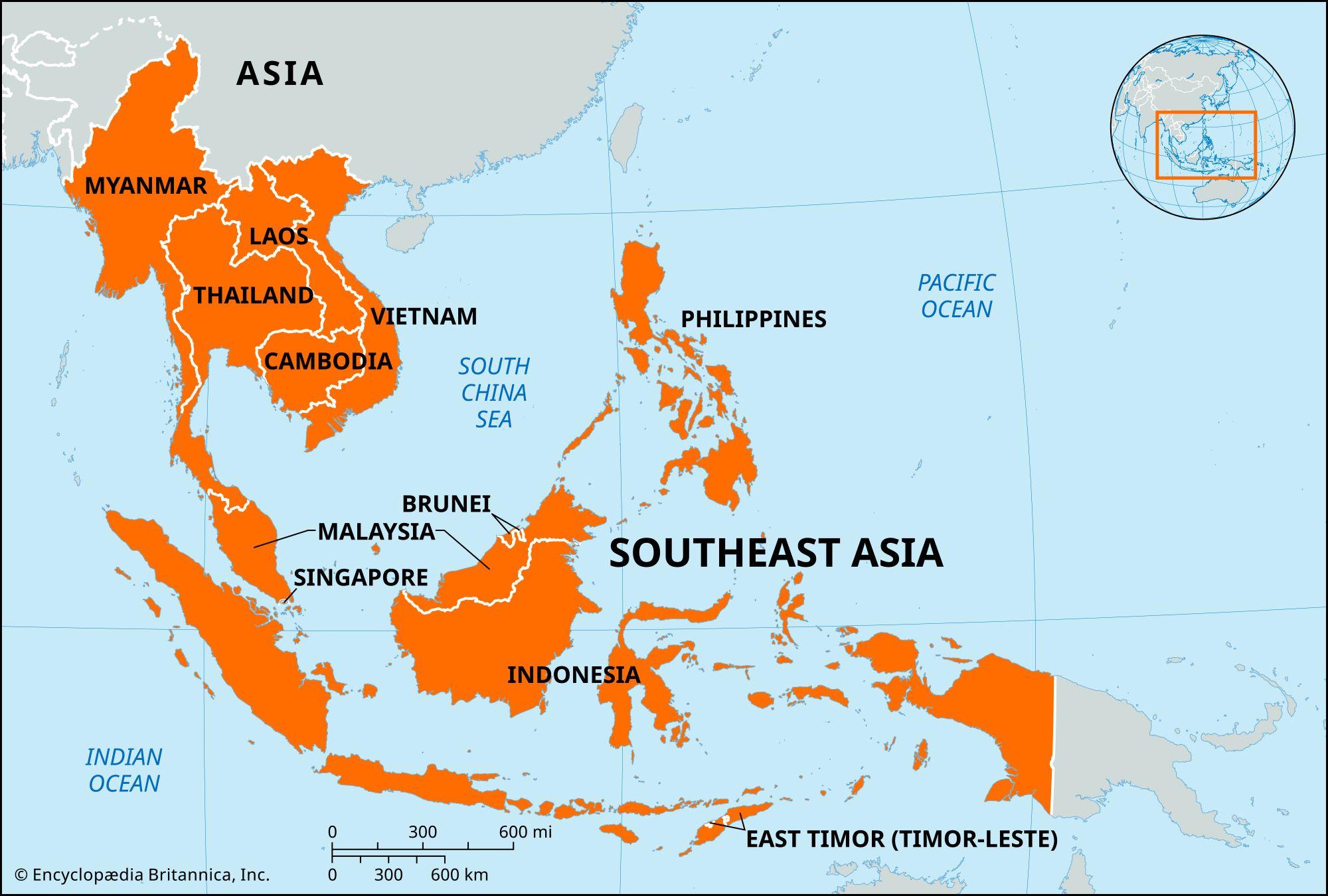
In an era marked by rapid technological advancement and escalating geopolitical tensions, Southeast Asia finds itself at a crossroads in the quest for tech sovereignty. As regional governments strive to reduce their dependency on foreign technology giants and assert greater control over critical digital infrastructure, the reality on the ground reveals a far more complex and elusive objective. This article explores the challenges and contradictions facing Southeast Asian nations as they navigate the delicate balance between embracing innovation, safeguarding national security, and managing external influences – a balancing act that calls into question the very feasibility of achieving true technological independence in the Asia-Pacific landscape.
The Illusion of Digital Independence in Southeast Asia
Despite ambitious national strategies aimed at fostering digital autonomy, Southeast Asian countries continue to wrestle with significant external dependencies in technology infrastructure and innovation. The heavy reliance on foreign cloud providers, imported hardware, and software ecosystems highlights a paradox: while digital transformation narratives promote sovereignty, the underlying architecture remains intricately tied to global tech giants from the U.S., China, and Europe. This dependency creates vulnerabilities, exposing nations to geopolitical tensions, data privacy risks, and limited control over digital policymaking.
Key factors undermining the region’s tech sovereignty include:
- Limited domestic capacity in semiconductor and chipset manufacturing
- Dependence on foreign investment and expertise for 5G and beyond
- Inadequate integration of local start-ups into wider digital supply chains
- Regulatory frameworks lagging behind fast-paced technological changes
| Country | Local Data Centers | Foreign Cloud Providers Presence | National Tech Initiatives |
|---|---|---|---|
| Indonesia | 15 | Amazon, Google, Alibaba | Palapa Ring Network |
| Vietnam | 9 | Microsoft, Google | Made in Vietnam Project |
| Philippines | 7 | Amazon, Google | DigiPhil Strategy |
| Thailand | 12 | Google, Alibaba | Thailand 4.0 |
Challenges Undermining Regional Tech Sovereignty Efforts
Despite its ambitions, Southeast Asia faces multiple hurdles that dent genuine tech sovereignty. Fragmented digital infrastructures across member states result in inconsistent standards and limited interoperability, undermining regional integration efforts. Moreover, the region’s dependency on foreign cloud services and hardware continues to deepen, exposing national systems to external influence and data vulnerabilities. This dependence is compounded by uneven technological capacity, with wealthier nations like Singapore progressing rapidly while lesser-developed neighbors lag, creating a digital divide that stifles collective bargaining power on the global stage.
Additionally, geopolitical entanglements obstruct unified policy frameworks. Southeast Asian countries often find themselves balancing strategic relations between competing tech superpowers, complicating efforts to establish independent supply chains and regulatory autonomy. The challenge is further exacerbated by the lack of robust local innovation ecosystems, reflected in low R&D investments and talent shortages. Below is a brief overview of key impediments noted across the region: