

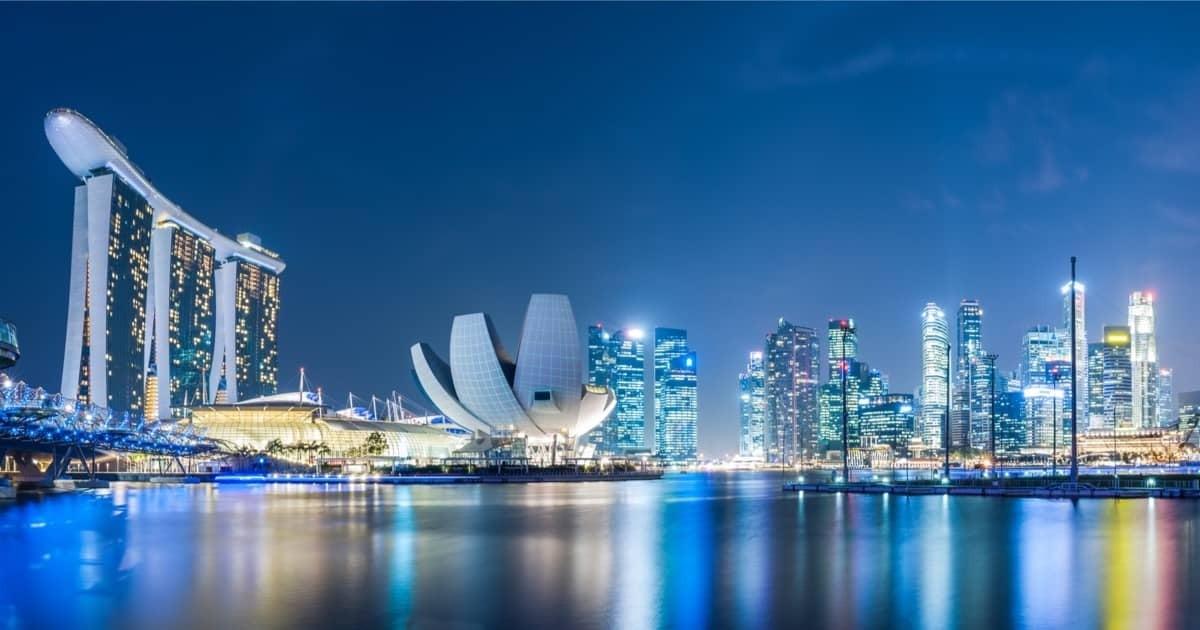
Asian cities are emerging as frontrunners in the global travel landscape, according to the Mastercard Economics Institute’s 2025 Travel Trends Report. The comprehensive study highlights a surge in tourism activity across major urban centers in Asia, underscoring their growing appeal to international travelers. Fueled by robust economic growth, expanding middle classes, and enhanced connectivity, these cities are setting new benchmarks in visitor arrivals and spending. This latest report from Travel Weekly sheds light on the key factors driving the rise of Asian destinations and what it means for the future of global travel.
Asian Cities Emerge as Leading Destinations in Global Travel Recovery
Asian cities are rapidly establishing themselves as frontrunners in the rebound of global tourism, driven by a blend of robust economic recovery, innovative travel strategies, and an unwavering appeal to diverse traveler segments. Cities like Tokyo, Singapore, and Seoul have witnessed significant growth in visitor numbers, fueled by their enhanced infrastructure, safety protocols, and expanded cultural offerings. This surge underscores Asia’s pivotal role in the post-pandemic travel landscape, as the region capitalizes on pent-up demand and evolving traveler preferences.
Key factors contributing to this upward trend include:
- Advanced digital integration: Seamless contactless payments and AI-driven visitor services elevate the guest experience.
- Strategic marketing campaigns: Targeted initiatives showcase unique local traditions and must-see events.
- Improved connectivity: Enhanced flight routes and regional partnerships bolster accessibility.
| City | Projected Growth in Visitor Arrivals (2025) | Top Visitor Market |
|---|---|---|
| Tokyo | +18% | USA |
| Singapore | +22% | China |
| Seoul | +20% | Japan |
Rising Consumer Spending and Urban Connectivity Drive Growth in Asian Travel Markets
Spending power in Asia is seeing a remarkable upswing as urban populations become increasingly interconnected and economically empowered. This uptick in disposable income, particularly among millennials and Gen Z, is translating into more frequent and diverse travel experiences within the region. Cities like Seoul, Bangkok, and Jakarta are benefitting from robust domestic tourism, driven by heightened consumer confidence and seamless digital payment infrastructure that facilitates on-the-go purchases. Furthermore, rising incomes are enabling travelers to extend their stays, explore upscale accommodations, and participate in experiential tourism that highlights local culture and gastronomy.
Crucial to this growth is the enhancement of urban connectivity, encompassing both transportation networks and digital connectivity. Investments in high-speed rail, expanded metro lines, and improved airport hubs are making regional travel increasingly convenient. Complementing these physical advancements, platforms powered by Mastercard’s secure payment technologies are streamlining cross-border transactions, reducing friction, and bolstering consumer spending confidence. The following table highlights key cities with exceptional growth in traveler spending and connectivity indices:
| City | Year-over-Year Spending Growth | Connectivity Index | Popular Travel Activities |
|---|---|---|---|
| Seoul | +18% | 92/100 | Urban exploration, Night markets, K-pop tours |
| Bangkok | +15% | 88/100 | Culinary tours, Temples, River cruises |
| Jakarta | +14% | 85/100 | Shopping districts, Cultural festivals, Waterfront parks |
Strategic Recommendations for Travel Industry Stakeholders to Leverage Asian Market Momentum
To capitalize on the rapid growth and dynamic shifts highlighted in Mastercard Economics Institute’s latest report, travel industry stakeholders must prioritize tailored experiences that resonate with the preferences of Asian travelers. Investing in digital transformation such as AI-driven personalization and seamless mobile payment solutions will not only enhance customer engagement but also build lasting loyalty in markets where mobile-first interactions dominate. Additionally, fostering strategic partnerships with local travel agencies and influencers can provide invaluable insights into regional trends and consumer behavior, enabling brands to craft highly localized campaigns.
Furthermore, expanding sustainable and health-conscious travel options is essential as Asian consumers increasingly seek responsible tourism and wellness-centric experiences. Below is a concise table summarizing key focus areas for stakeholders aiming to harness this momentum:
| Key Strategy | Action Point | Expected Outcome |
|---|---|---|
| Digital Innovation | Enable mobile wallets & AI personalization | Boost customer retention & sales |
| Local Partnerships | Collaborate with regional influencers/agencies | Improve market relevance & trust |
| Sustainable Offerings | Develop eco-friendly travel packages | Attract conscious travelers |
| Health & Wellness | Integrate wellness retreats and safety protocols | Meet growing wellness demand |
Wrapping Up
As Asian cities continue to emerge as key players in the global travel landscape, the Mastercard Economics Institute’s 2025 Travel Trends Report underscores their growing appeal to international visitors. With a combination of cultural richness, infrastructure advancements, and innovative tourism strategies, these destinations are set to shape the future of travel in the region. Industry stakeholders will be closely watching how these trends evolve, as Asian cities solidify their positions on the world’s travel map in the coming years.