

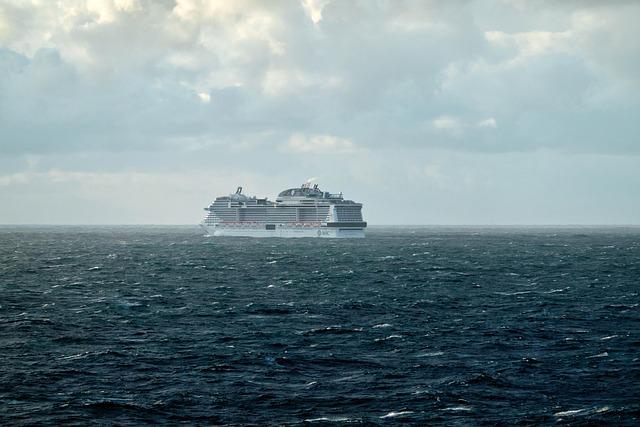
From Ballrooms to Bowlines: How Corporate Incentives Are Sailing into Asia’s Cruise Market
Corporate incentives in Asia are undergoing a striking transformation: where once glittering hotel banquet rooms and conference centres reigned, companies are increasingly booking voyages for meetings, rewards and high-level retreats. Driven by clearer budgets, built-in entertainment and improving onboard MICE capabilities, cruises are fast becoming a preferred platform for experiential corporate programmes. As cruise operators expand capacity in the region and customise products for group business, the incentives sector is evolving into one of the most dynamic opportunities in Asia’s travel landscape.
Why planners are opting for cruise-based corporate incentives
Event planners and travel managers point to several compelling reasons for moving incentive programmes onto the water:
- Budget clarity: All-inclusive pricing models simplify per-person costing for accommodation, meals and many onboard activities, reducing hidden fees common with land-based events.
- Stronger attendee engagement: The contained environment of a ship often yields higher participation rates in sessions, workshops and evening functions compared with dispersed city events.
- Brand amplification: Ships offer numerous touchpoints-from gangway branding to themed dining and bespoke entertainment-that let organisations create immersive branded journeys.
- Multi-destination reach: A single voyage can showcase several markets without the hassle of repeated check‑ins and transfers back on land.
These attractions are prompting hoteliers to sharpen their own corporate offers-flexible rates, hybrid-event technology and loyalty tie‑ins-while cruise lines respond by developing charter-friendly itineraries and dedicated group services to win market share.
How cruise operators are adapting for MICE and group business
Cruise brands have been investing in purpose-built solutions for meetings, incentives, conferences and exhibitions (MICE). Typical enhancements include upgraded connectivity, modular meeting rooms, in-house AV teams and private-use decks for exclusive functions. Some operators now staff MICE desks specifically tasked with designing corporate programmes, negotiating turnkey packages and aligning shipboard logistics with client objectives.
Examples of ship-level innovations include:
- Modular conference suites that convert into networking lounges or awards stages within hours
- Enhanced Wi‑Fi and streaming capabilities to support hybrid sessions and global speaker links
- Customisable shore-excursion menus and private-tender options for secluded port-side activations
- Branded onboard venues-such as pop-up auditoriums or themed dining takeovers-tailored to a company’s visual identity
Market signals and demand trends
Across Asia, travel management companies and cruise sales teams report rising enquiries for group sailings. Many industry participants have observed double-digit year-on-year increases in cruise-incentive interest since the pandemic period, while carriers have repositioned tonnage and increased regional sailings to meet corporate demand. These shifts reflect both pent-up demand for unique incentive experiences and a preference for predictable cost structures.
Designing high-impact shipboard programmes
The best incentive voyages are structured as progressive experiences that combine formal meetings with memorable leisure and recognition moments. Think of the itinerary as a staged narrative where each day advances goals-celebration, learning, reward-rather than a string of isolated activities.
Sample programme architecture:
- Opening ritual: A sunset recognition toast on the sundeck to set the tone and unite attendees.
- Concurrent learning tracks: Breakout workshops in observation lounges, labs or specialty venues that cater to different functional groups.
- Immersive rewards: Private shore experiences-like a curated coastal food tour, a guided conservation visit, or a yacht transfer to a secluded beach-for top performers.
- Grand finale: A headline concert or awards gala in the main theatre, with custom staging and synchronized digital messaging across ship channels.
Planners are also innovating with ship‑specific activations that are difficult to reproduce on land: early-morning bridge tours with navigation officers, intimate chef’s tables staged in the galley, wellness sunrise sessions on forward terraces, and team-building regattas or paddle events in sheltered bays.
Balancing exclusivity, CSR and operational realities
To elevate perceived value, organisers increasingly layer experiences into tiers-group-wide events for all delegates; tiered rewards for measured performance; and ultra‑exclusive access for top achievers. Such ladders let companies align incentives with measurable outcomes while maintaining budget control.
Corporate social responsibility (CSR)-linked sailings are also growing in popularity. Programs that incorporate beach clean-ups, community visits at port calls or partnerships with local NGOs allow companies to combine recognition with purpose, boosting morale and brand reputation. Many planners note that participants value meaningful, locally grounded experiences as much as luxury perks.
Practical considerations for planners include passenger manifesting, visa and immigration requirements for multi-port itineraries, medical readiness and contingency planning for weather or port changes. Close coordination with the cruise operator’s events team, shore partners and group travel providers is essential to minimise disruption and protect the attendee experience.
How cruises compare to hotels for incentives
When weighing options, organisers tend to compare key dimensions:
- Venue diversity: A cruise ship typically offers many themed spaces-lounges, decks, theatres-while a hotel usually provides a few main function rooms.
- Cost predictability: Hotels often have separate line items for rooms, F&B and extras; cruise packages commonly bundle most costs into a single per‑person rate.
- Destination exposure: Hotels anchor participants in a single city; ships deliver several ports and cultural touchpoints in one programme.
- Downtime appeal: Hotels rely on city tours, spas and nightlife for leisure; ships provide daily entertainment, pools and scheduled excursions without leaving the group base.
Case examples and fresh ideas
Regional operators and niche providers are showcasing inventive concepts. For example, a fintech firm might book a two-day “innovation voyage” that converts a conference suite into a pitch arena and closes with a demo night in the ship’s theatre. A consumer brand could host a product launch that switches from a daytime sensory showcase in specialty restaurants to a nighttime rooftop sampling under the stars. For sustainability-minded groups, itineraries that fund coastal restoration projects at each call offer a tangible way to marry reward and impact.
Outlook: opportunity and caution
With more ships homeporting across Asia and partnerships improving links between air and sea, the region’s cruise sector is better positioned than ever to host corporate incentives. The flexibility of charter-friendly itineraries, combined with evolving onboard capabilities for MICE, makes the ocean an increasingly credible option for planners looking to deliver memorable, measurable programmes.
That said, ballrooms and city venues are unlikely to disappear; they remain indispensable for certain formats and audiences. The real takeaway for organisers is to expand the toolkit: evaluate objectives, audience preferences and logistics, then choose the platform-land, sea or hybrid-that best amplifies impact. For many companies in Asia today, the most effective next-generation incentive is less about a skyline view and more about a curated journey that leaves a lasting impression.