

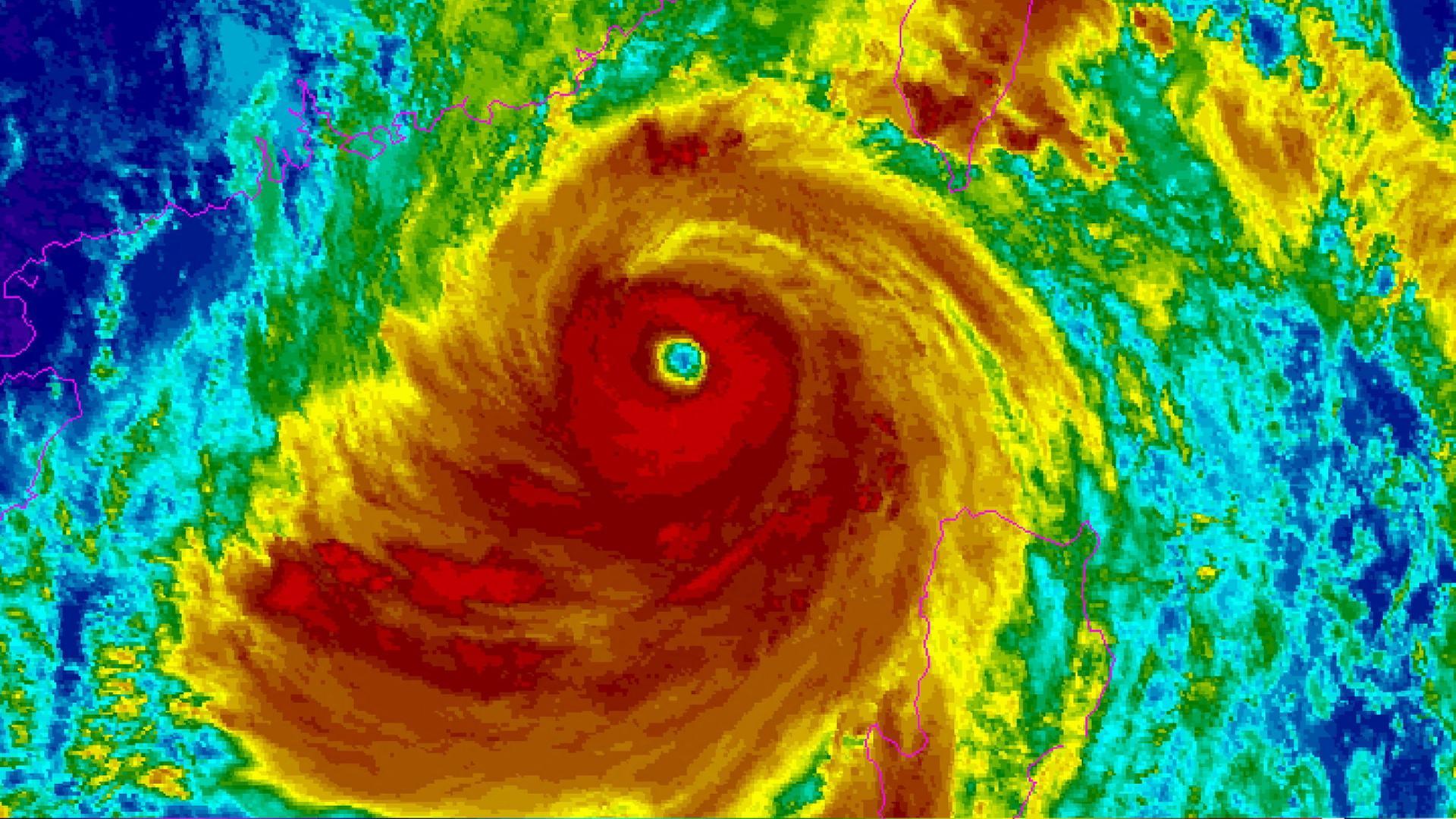
Super Typhoon Ragasa has wreaked havoc across several Asian countries, forcing the cancellation and grounding of hundreds of flights as authorities prioritize safety amid severe weather conditions. The powerful storm, characterized by intense winds and heavy rainfall, has disrupted travel plans for thousands of passengers and strained regional transportation networks. Airports across the affected areas are grappling with operational challenges, while emergency services brace for potential flooding and damage. This evolving situation underscores the growing impact of extreme weather events on air travel and public safety in the region.
Super Typhoon Ragasa Disrupts Air Travel as Hundreds of Flights Canceled Across Asia
Super Typhoon Ragasa has caused widespread disruption across major Asian air hubs, with hundreds of flights canceled or delayed due to severe weather conditions. Airports in the Philippines, Taiwan, and parts of Japan reported significant operational setbacks as powerful gusts and heavy rainfall battered the region. Airlines scrambled to reschedule passengers while prioritizing safety amid deteriorating visibility and dangerous wind speeds reaching over 150 km/h. Emergency response teams remained on high alert, coordinating closely with aviation authorities to manage the ongoing crisis and assist stranded travelers.
Key impacted locations and flight disruptions include:
- Manila Ninoy Aquino International Airport: Over 120 flights canceled
- Taiwan Taoyuan International Airport: Temporary runway closures leading to delays
- Tokyo Haneda Airport: Several inbound flights rerouted or postponed
- Hong Kong International Airport: Operational monitoring with minor disruptions
| Airport | Flights Canceled | Estimated Delay (hours) |
|---|---|---|
| Manila (MNL) | 120+ | 4-8 |
| Taipei (TPE) | 75 | 3-6 |
| Tokyo (HND) | 45 | 2-5 |
| Hong Kong (HKG) | 15 | 1-3 |
Emergency Response Efforts and Safety Measures Implemented Amid Severe Weather Conditions
Emergency units across affected regions mobilized rapidly to mitigate the impact of Super Typhoon Ragasa. Authorities coordinated large-scale evacuations, prioritizing vulnerable communities in low-lying and coastal areas. Temporary shelters were established with essential supplies, including food, water, and medical aid, ensuring residents had safe refuge from the storm. Simultaneously, transport networks were adjusted, with several airports and railway stations closing to prevent accidents and damage, grounding hundreds of flights and trains as precautionary measures.
Safety protocols enforced during the crisis included:
- 24/7 emergency operation centers facilitating real-time weather updates and rapid response
- Strict travel advisories issued to discourage non-essential movement during peak storm periods
- Deployment of search and rescue teams in flood-prone zones for immediate assistance
- Coordination with local hospitals to prepare for potential casualties and urgent care
| Region | Evacuation Centers | Emergency Teams Deployed | ||||||||||||||||||||
|---|---|---|---|---|---|---|---|---|---|---|---|---|---|---|---|---|---|---|---|---|---|---|
| Philippines | 120+ | 5,000+ | ||||||||||||||||||||
| Taiwan | 65 | 2,300 | ||||||||||||||||||||
| Vietnam | 40 It looks like your table got cut off at the row for Vietnam. Here’s a suggestion to complete the table and clean up the formatting for better readability and consistency:
If you want, I can also help you with other aspects of your post or provide a summary. Let me know! Recommendations for Travelers and Airlines Navigating Ongoing Storm ImpactTravelers affected by the disruptions caused by Super Typhoon Ragasa are urged to stay informed through official airline channels and national weather services. It is essential to confirm flight statuses prior to arrival at the airport and consider flexible travel plans, including rescheduling or refund options. Passengers should prioritize safety by packing essential items such as medications, chargers, and basic supplies in carry-on bags to prepare for potential extended delays or cancellations. Additionally, maintaining contact with family and travel companions can help ease communication challenges during these tumultuous conditions. For airlines grappling with operational setbacks, proactive coordination with airport authorities and meteorological agencies is crucial. Implementing real-time tracking systems and enhancing passenger communication through mobile alerts can mitigate confusion and streamline contingency measures. Airlines are also encouraged to strengthen their emergency response protocols and offer support services like accommodation and meal vouchers to stranded travelers. The table below summarizes key recommendations for both travelers and airlines in navigating the ongoing storm impact:
To ConcludeAs Super Typhoon Ragasa continues to disrupt travel and daily life across multiple countries in Asia, authorities remain on high alert, prioritizing public safety and ongoing relief efforts. Airlines and transportation agencies are closely monitoring weather developments to provide timely updates to passengers. The full impact of the storm is still unfolding, with emergency response teams working tirelessly to mitigate damage and assist affected communities. Euronews will continue to follow this story and provide comprehensive coverage as more information becomes available. |