

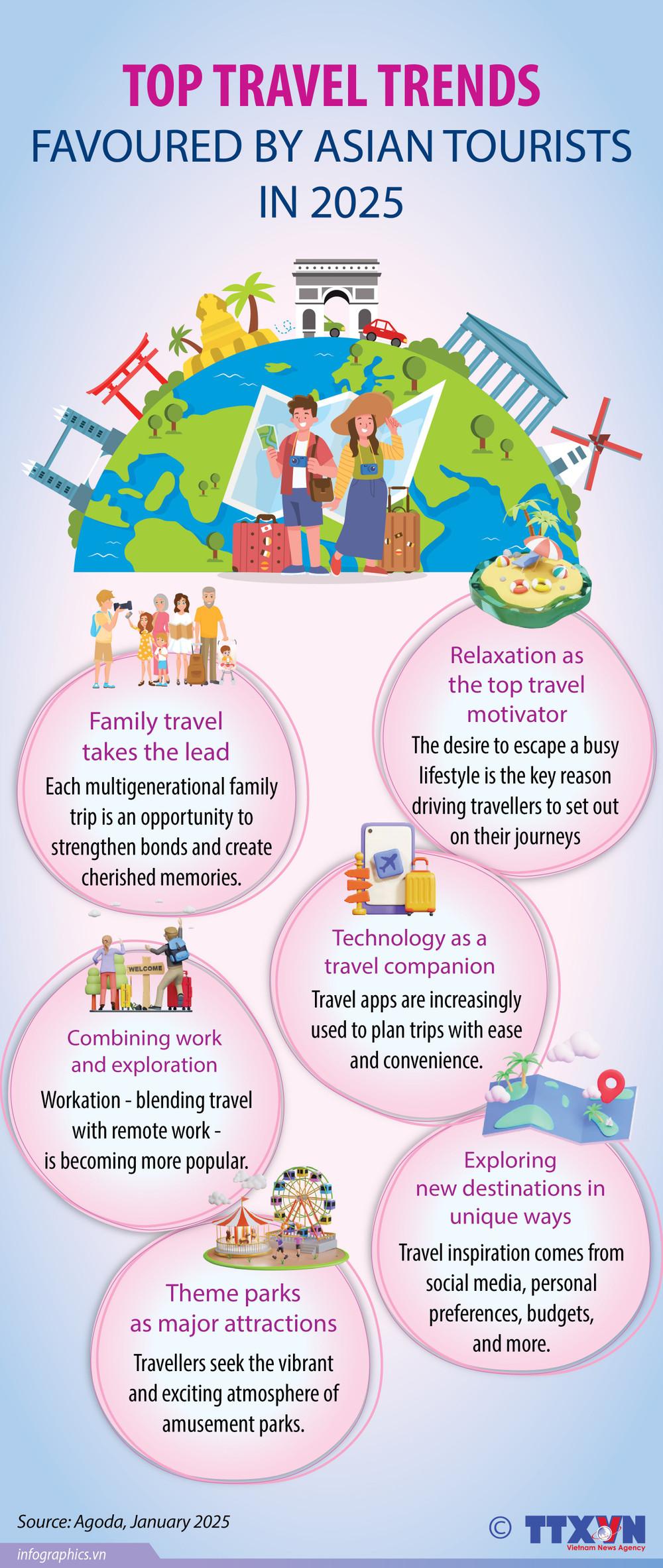
As the global travel landscape continues to evolve, Asia is emerging as a pivotal region driving new trends that will shape the industry in 2025 and beyond. FINN Partners, a leading global marketing and communications firm, has identified key travel patterns and consumer behaviors across Asia that are set to influence how destinations, airlines, and hospitality sectors strategize in the coming years. This article delves into the latest insights revealed by FINN Partners, exploring the dynamics behind shifting traveler preferences, technological advancements, and the growing emphasis on sustainable and immersive experiences in one of the world’s most vibrant travel markets.
Emerging Destinations Redefine Asian Travel Preferences
Asia’s travel landscape is witnessing a seismic shift as lesser-known locales capture the imagination of contemporary explorers. Once overshadowed by traditional hotspots like Tokyo, Bangkok, and Singapore, emerging destinations such as Luang Prabang in Laos and Phu Quoc in Vietnam are now drawing travelers seeking authenticity and understated charm. These places offer a blend of cultural richness and natural beauty, appealing to those who crave immersive experiences over mass tourism. The growing popularity of such destinations reflects a broader trend: a pivot towards sustainable, community-centric tourism that supports local economies while preserving heritage.
Travelers’ preferences are evolving rapidly, shaping the travel industry’s investment and marketing strategies. Key factors driving this trend include:
- Ecotourism and Wellness: A surge in demand for eco-friendly resorts and wellness retreats that promote mental and physical well-being.
- Digital Nomad Hubs: Emerging cities offering robust infrastructure and visa policies tailored for remote workers.
- Cultural Integration: Opportunities to engage with indigenous communities through authentic cultural programs.
- Affordable Luxury: Exclusive yet cost-effective experiences that balance comfort with unique local offerings.
| Destination | Unique Appeal | Travel Trend |
|---|---|---|
| Luang Prabang, Laos | UNESCO heritage & eco-tourism | Slow travel & cultural immersion |
| Phu Quoc, Vietnam | Pristine beaches & wellness retreats | Wellness & nature escapes |
| Jeju Island, South Korea | Volcanic landscapes & unique cuisine | Food tourism & outdoor adventure |
| Ella, Sri Lanka | Tea plantations & trekking trails | Adventure & sustainable tourism |
Sustainability and Technology Drive the Future of Tourist Experiences
Across Asia, a growing emphasis on eco-friendly travel is reshaping how tourists engage with destinations. Innovations in green technology are enabling travelers to minimize their environmental footprint without sacrificing comfort or convenience. From electric-powered transportation options to AI-driven itinerary planners that optimize routes for reduced emissions, the integration of sustainability and cutting-edge technology is unlocking new possibilities for immersive and responsible travel experiences.
Key trends influencing this shift include:
- Smart eco-resorts utilizing renewable energy and IoT for resource efficiency
- Virtual and augmented reality tours that complement physical visits while easing overtourism
- Contactless payment and blockchain improving transparency in sustainable sourcing
| Technology | Impact on Tourism | Example |
|---|---|---|
| AI Itinerary Optimization | Reduces travel emissions and time | GreenRoute App in Singapore |
| Renewable Energy Resorts | Lower environmental footprint | Solar-powered eco-lodges in Bali |
| AR Cultural Experiences | Enhances local heritage while reducing crowding | Virtual temple tours in Kyoto |
Strategic Recommendations for Industry Stakeholders to Capitalize on Evolving Trends
To effectively harness the momentum of emerging Asian travel markets, stakeholders must prioritize digital innovation and seamless personalization. With travelers increasingly seeking curated experiences powered by AI-driven insights, businesses should invest in advanced data analytics tools that decode evolving preferences in real time. Additionally, sustainable tourism practices are fast becoming non-negotiable; implementing eco-friendly operations and supporting local communities not only align with the ethical expectations of modern travelers but also build long-term brand loyalty across the region.
Furthermore, fostering strategic partnerships is critical amidst Asia’s fragmented travel ecosystem. Stakeholders should explore collaborative initiatives that integrate multiple service providers-airlines, hospitality, and experience curators-into cohesive packages, delivering convenience and value. Below is an overview of priority areas for capital investment to stay competitive:
| Strategic Focus | Key Action | Expected Impact |
|---|---|---|
| AI & Personalization | Deploy machine learning for customized itineraries | Higher engagement & booking rates |
| Sustainability | Integrate green certifications and local sourcing | Enhanced brand reputation & traveler trust |
| Partnership Ecosystems | Develop multi-service travel bundles | Increased market share & customer retention |
| Mobile Optimization | Enhance app experience & payment options | Boosted conversion & user satisfaction |
To Wrap It Up
As Asia continues to evolve as a dynamic travel hub, the trends outlined by FINN Partners offer critical insights into the region’s future tourism landscape. From the rise of sustainable travel practices to the growing influence of digital innovation and personalized experiences, these developments are set to redefine how destinations engage with visitors in 2025 and beyond. Industry stakeholders and travelers alike will need to stay attuned to these shifts to fully navigate and capitalize on the opportunities emerging across Asia’s diverse markets.