

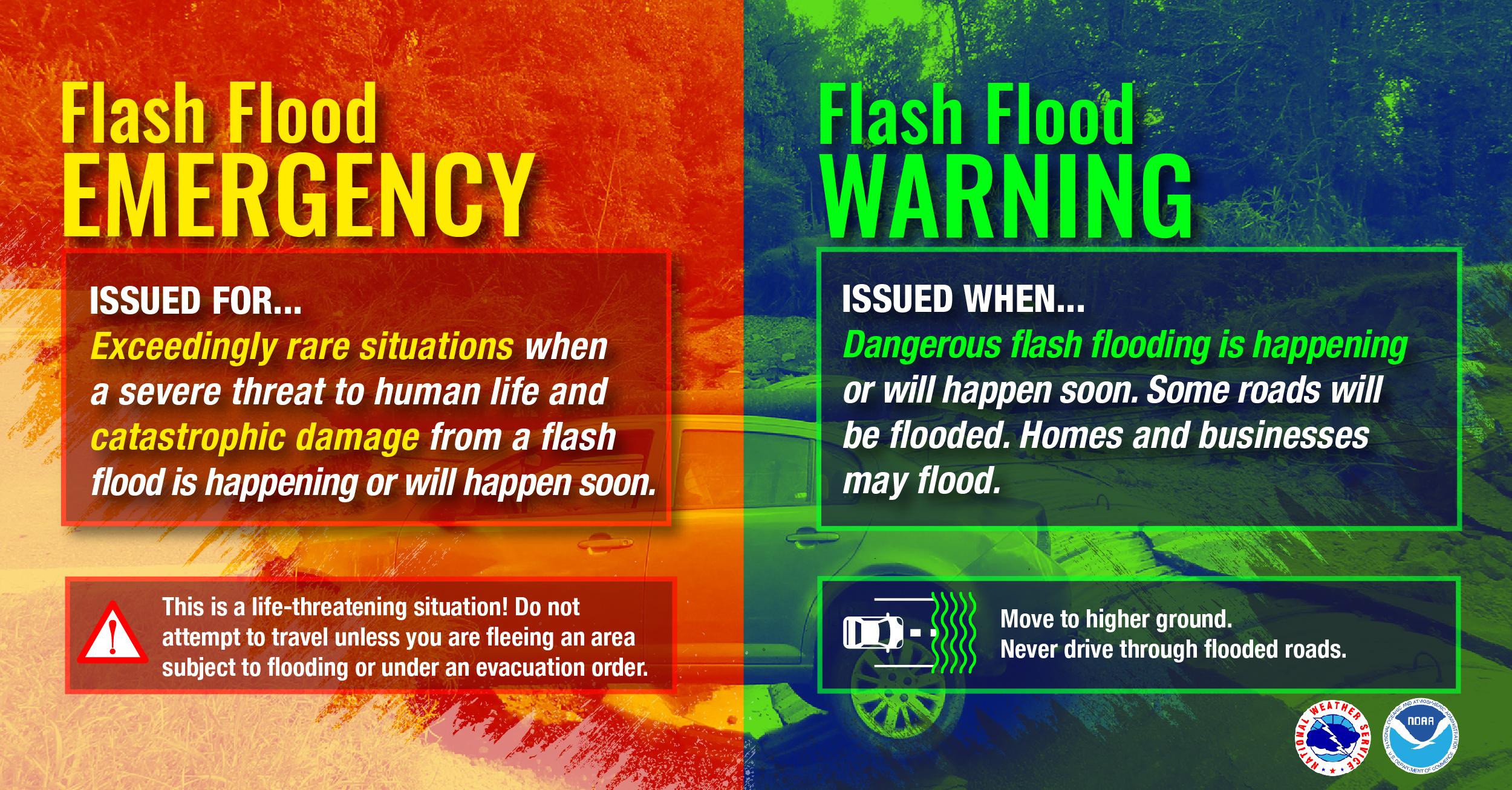
New York City and New Jersey have officially declared a flood emergency following relentless torrential rains that have inundated large areas, disrupting transportation and daily life. Authorities are urging residents to remain vigilant as emergency services respond to widespread flooding and infrastructure challenges. This unfolding situation has prompted travel advisories and heightened safety warnings across both regions, underscoring the severity of the weather event.
NYC and New Jersey Declare Flood Emergency as Torrential Rains Batter Region
Authorities have mobilized emergency response teams across New York City and New Jersey following unprecedented rainfall that has overwhelmed drainage systems and caused widespread flooding. Major highways and subway lines are reported to be submerged, forcing numerous closures and rerouted traffic. Residents are advised to avoid non-essential travel as safety officials work around the clock to monitor water levels and deploy relief measures. Shelters have been opened in several districts to accommodate those displaced by rising waters.
Public services are also adapting quickly to the crisis:
- Mass transit: Limited operations with delays expected on key subway and train lines.
- Road closures: Flood-prone areas including low-lying tunnels and underpasses shut down temporarily.
- Power outages: Localized blackouts reported as utility crews respond to weather-related damage.
- Emergency contacts: Hotlines established for immediate assistance and updates.
| Location | Flood Impact | Emergency Status |
|---|---|---|
| Lower Manhattan | Subway system inundated | High alert |
| Jersey Shore | Coastal flooding, road closures | Moderate emergency |
| Hoboken | Residential flooding | Evacuation advised |
| Brooklyn | Power outages, traffic disruptions | High alert |
Impact on Transportation and Key Travel Routes Amid Rising Waters
The recent surge in water levels has severely disrupted crucial transportation links across New York City and New Jersey. Major highways such as the Garden State Parkway and sections of the New Jersey Turnpike have experience extensive flooding, forcing authorities to close ramps and reroute traffic. Meanwhile, key bridges including the George Washington Bridge have reported delays due to strong winds coupled with heavy rainfall, further complicating the daily commute. Public transit systems, notably the subway lines running beneath vulnerable sections of Manhattan, have had to implement partial shutdowns as a safety precaution against potential inundation.
Travelers are urged to stay informed and consider alternative routes, as emergency services prioritize flood-affected corridors. Key advisories include:
- Avoid low-lying tunnels including the Lincoln and Holland Tunnels which remain at risk for water intrusion.
- Monitor NJ Transit updates for train and bus service alterations.
- Use real-time traffic apps for live detour information and road closures.
| Key Route | Status | Impact Level |
|---|---|---|
| Garden State Parkway | Partial closure | High |
| Holland Tunnel | Flood risk | Moderate |
| NYC Subway Line 1 | Temporary suspension | Severe |
| New Jersey Turnpike | Lane closures | High |
Safety Measures and Travel Advisories for Residents and Visitors in Affected Areas
Residents and visitors are urged to prioritize their safety by staying informed through official channels such as the National Weather Service and local government alerts. Avoid traveling through flooded roads; even a few inches of water can sweep vehicles away. It is essential to prepare emergency kits with essentials like water, non-perishable food, flashlights, and medications. Public transportation schedules may be disrupted, so check for updates regularly and opt for indoor activities until conditions improve. Authorities recommend keeping clear of rivers, streams, and low-lying areas prone to sudden flooding.
For those planning essential travel, it is advisable to consult the latest travel advisories and adhere strictly to evacuation orders if issued. Hotels and accommodation providers in the affected zones have increased safety protocols, including temporary closures in flood-prone locations. Below is a quick guide to safety precautions and travel status for major affected areas:
| Area | Travel Status | Precautionary Measures |
|---|---|---|
| Manhattan, NYC | Limited road access | Avoid subway during heavy rain |
| Jersey City, NJ | Public transport delays | Avoid low-lying streets |
| Newark, NJ | Partial road closures | Stay updated via local alerts |
To Conclude
As torrential rains continue to cause widespread flooding across New York City and New Jersey, authorities remain on high alert, urging residents to stay informed and adhere to safety guidelines. Travel disruptions and property damage are expected to persist in the affected areas. Emergency services are actively responding to incidents, and officials emphasize the importance of vigilance as weather conditions evolve. For ongoing updates and travel advisories, stay tuned to official channels.