

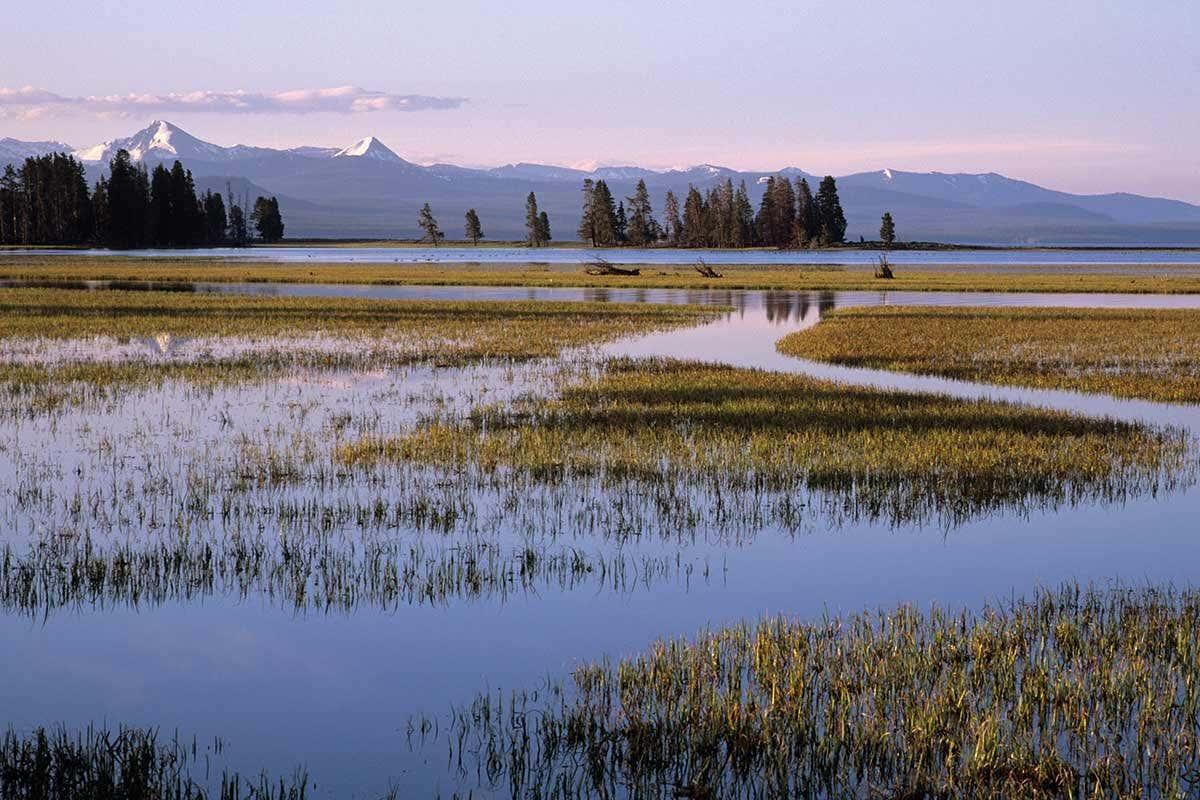
Protecting wetlands in Southeast Asia could play a pivotal role in reducing the region’s carbon emissions, according to recent findings highlighted by NASA Science. These vital ecosystems, often overlooked in climate strategies, serve as significant carbon sinks, storing vast amounts of carbon that would otherwise contribute to global warming. As Southeast Asia faces escalating environmental challenges, conservation efforts targeting wetlands may offer a natural and cost-effective solution to curb greenhouse gas emissions while preserving biodiversity and supporting local communities.
Protecting Southeast Asia’s Wetlands Critical for Carbon Emission Reduction
Southeast Asia’s wetlands serve as pivotal carbon sinks, absorbing vast quantities of greenhouse gases and significantly mitigating climate change impacts. However, ongoing deforestation, agricultural expansion, and urban development threaten these fragile ecosystems, leading to increased carbon emissions as stored carbon is released into the atmosphere. Scientists emphasize that protecting and restoring these wetlands could prevent millions of tons of carbon dioxide from entering the air each year, supporting both regional and global climate targets.
Key factors making Southeast Asian wetlands vital for carbon management include:
- High Carbon Storage Capacity: Mangroves, peatlands, and marshes store more carbon per unit area than most terrestrial forests.
- Biodiversity Support: These wetlands support diverse species that maintain ecosystem resilience.
- Natural Coastal Buffers: Reducing erosion and protecting shorelines from extreme weather events.
- Potential for Sustainable Livelihoods: Community-driven conservation and sustainable resource use can bolster local economies.
| Wetland Type | Average Carbon Storage (tonnes/ha) | Primary Threat |
|---|---|---|
| Mangroves | 1,020 | Coastal Development |
| Peatlands | 1,500 | Peat Drainage & Fires |
| Freshwater Marshes | 350 | Agricultural Conversion |
How Wetland Conservation Supports Climate Goals and Biodiversity
Wetlands serve as critical carbon sinks, absorbing vast amounts of CO2 from the atmosphere and storing it in their saturated soils. In Southeast Asia, the preservation of these delicate ecosystems directly contributes to climate mitigation efforts by preventing the release of stored carbon during drainage or degradation. Protecting wetlands not only curbs carbon emissions but also enhances the natural resilience of landscapes against climate-related impacts, such as flooding and drought.
Beyond climate regulation, wetlands harbor extraordinary biodiversity. They provide habitats for numerous endangered species and support complex food webs that maintain ecological balance. Conservation initiatives help safeguard these habitats, ensuring species survival and preserving ecosystem services essential for human well-being. Key benefits include:
- Support for migratory bird populations
- Nurseries for fish and aquatic life
- Natural water filtration and flood control
- Enhancement of local livelihoods through sustainable fishing
| Wetland Function | Climate Impact | Biodiversity Benefit | ||||||||||||||
|---|---|---|---|---|---|---|---|---|---|---|---|---|---|---|---|---|
| Carbon Storage | Reduces atmospheric CO2 | Preserves habitats for rare plants and animals | ||||||||||||||
| Water Regulation | Mitigates flooding and drought | Maintains aquatic ecosystems | ||||||||||||||
| Nutrient Cycling | Strategic Policies and Community Engagement Key to Effective Wetland Preservation Effective preservation of wetlands demands the implementation of strategic policies that align environmental goals with local socio-economic realities. Governments across Southeast Asia are increasingly recognizing the need to establish clear regulatory frameworks that protect these critical ecosystems from industrial encroachment, unsustainable agricultural practices, and urban development. Policies targeting wetland conservation emphasize collaboration between national agencies and local governments, prioritizing sustainable land-use planning, pollution control, and strict enforcement against illegal activities. Equally important is the integration of wetlands into broader climate mitigation strategies, given their unparalleled capacity to sequester carbon. When managed well, wetlands serve as natural buffers that reduce carbon emissions substantially and stabilize regional climates. Alongside robust policies, community engagement plays a pivotal role in successful wetland preservation. Local communities are often the first line of defense, possessing invaluable traditional knowledge and direct stewardship over these habitats. Empowering residents through education, participatory decision-making, and economic incentives fosters a sense of ownership that prevents degradation from within. Key actions include:
In ConclusionProtecting wetlands in Southeast Asia presents a promising strategy in the global effort to curb carbon emissions and combat climate change. As NASA’s latest research underscores, these vital ecosystems serve as significant carbon sinks, storing vast amounts of carbon that would otherwise be released into the atmosphere. Preserving and restoring wetlands not only supports biodiversity and local livelihoods but also contributes meaningfully to the region’s climate resilience. Continued investment in wetland conservation, informed by cutting-edge science, will be essential to achieving both environmental and economic goals in Southeast Asia’s fight against climate change. |