

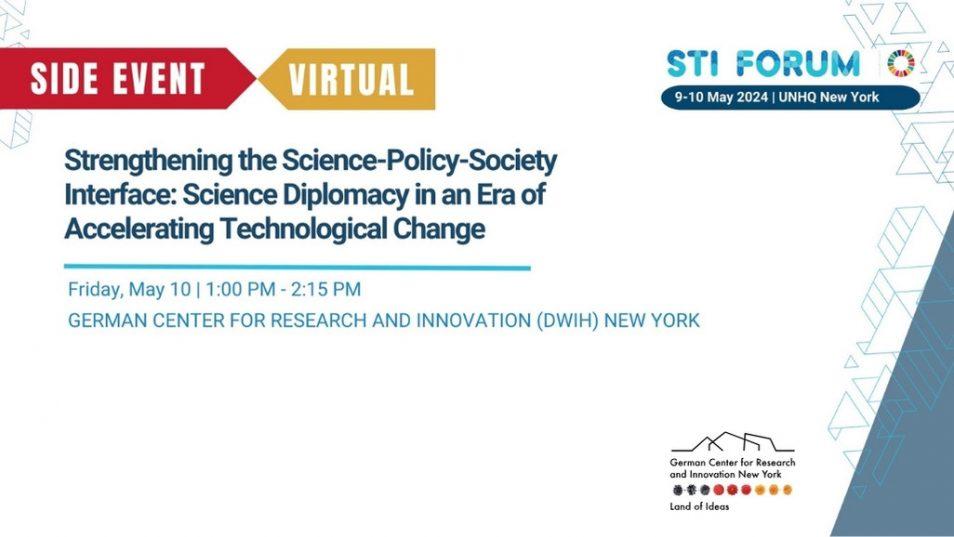
In a decisive move to bolster sustainable development across the Asia-Pacific region, UNESCO has called for the strengthening of science, technology, and innovation (STI) policies. As nations grapple with complex challenges ranging from climate change to digital transformation, enhanced STI frameworks are seen as pivotal drivers for inclusive growth and resilience. This initiative underscores UNESCO’s commitment to empowering countries in the region by fostering innovation ecosystems that can deliver lasting economic, social, and environmental benefits.
Strengthening STI Policies to Drive Inclusive Economic Growth in Asia-Pacific
In the rapidly evolving Asia-Pacific region, the advancement of science, technology, and innovation (STI) policies is pivotal to fostering an inclusive and resilient economy. Governments are now prioritizing frameworks that not only stimulate technological development but also ensure equitable access to opportunities across diverse communities. Key strategic initiatives focus on integrating sustainable practices within STI agendas, cultivating local talent pools, and enhancing cross-border collaborations to accelerate knowledge exchange.
Critical elements shaping this transformative landscape include:
- Capacity Building: Strengthening educational institutions and research centers to nurture future innovators.
- Inclusive Access: Bridging the digital divide by expanding infrastructure in underserved regions.
- Policy Coordination: Harmonizing regional policies to streamline innovation ecosystems and investment flows.
| STI Policy Focus | Impact Area | Example Country |
|---|---|---|
| Renewable Energy Research | Environmental Sustainability | Vietnam |
| STEM Education Programs | Human Capital Development | India |
| Innovation Hubs & Clusters | Economic Diversification | Singapore |
Bridging Innovation Gaps Through Regional Collaboration and Capacity Building
Across the Asia-Pacific region, innovation ecosystems are revealing stark disparities that hinder cohesive progress toward sustainable development goals. Addressing these divides calls for robust regional collaboration frameworks, which promote knowledge exchange and resource pooling among countries. These partnerships enable emerging economies to benefit from the technological advancements and policy experiences of more developed neighbors, creating a multiplier effect that accelerates innovation capacity and narrows the gap in science, technology, and innovation (STI) capabilities.
Capacity building remains a cornerstone in this endeavor, encompassing tailored training programs, infrastructure development, and strengthening institutional governance. Key focus areas include:
- Enhancing digital literacy and research competencies
- Encouraging inclusive participation in national innovation systems
- Facilitating access to funding and international networks
A recent survey highlights how strategic investment in capacity building correlates strongly with innovation outputs:
| Capacity Building Element | Innovation Output Increase (%) |
|---|---|
| Digital Literacy Programs | 22% |
| Research Infrastructure | 30% |
| Governance Reforms | 18% |
Policy Recommendations for Integrating Sustainability into Science and Technology Programs
To effectively embed sustainability within science, technology, and innovation (STI) programs, policymakers must prioritize a multi-dimensional approach that aligns with global environmental goals and local development needs. This includes fostering cross-sectoral collaboration between government agencies, academia, and industry to ensure holistic integration of ecological, social, and economic perspectives. Enhancing funding mechanisms targeted at green technologies and sustainable research initiatives is critical, alongside the creation of regulatory frameworks that incentivize innovation with low environmental impact. Additionally, capacity-building efforts should emphasize sustainability competencies among researchers and technologists to drive informed decision-making and responsible practices.
Key areas for action include:
- Incorporating sustainability metrics into STI program evaluation and funding criteria
- Promoting inclusive policies that engage marginalized communities in technology development
- Strengthening data sharing platforms to track progress on sustainable innovation
- Encouraging public-private partnerships that champion circular economy principles
| Policy Element | Intended Impact | Implementation Strategy |
|---|---|---|
| Green Innovation Grants | Boost eco-friendly tech development | Competitive funding targeting low-carbon projects |
| Sustainability Curriculum Integration | Equip scientists with environmental literacy | Mandatory modules in STEM degree programs |
| Community Engagement Initiatives | Ensure equitable technology access | Workshops and local co-creation efforts |
| Performance Monitoring Systems | Track long-term sustainability outcomes | Standardized STI impact indicators |
The Conclusion
As the Asia-Pacific region continues to navigate complex development challenges, the strengthening of Science, Technology, and Innovation (STI) policies emerges as a critical pillar for sustainable progress. UNESCO’s call to action underscores the importance of regional collaboration, investment in research infrastructure, and inclusive policy frameworks that harness the transformative potential of STI. Moving forward, stakeholders across governments, industry, and academia must unite to ensure that STI not only drives economic growth but also addresses social equity and environmental resilience. The path toward sustainable development in Asia-Pacific hinges on these committed efforts to foster innovation that benefits all.