

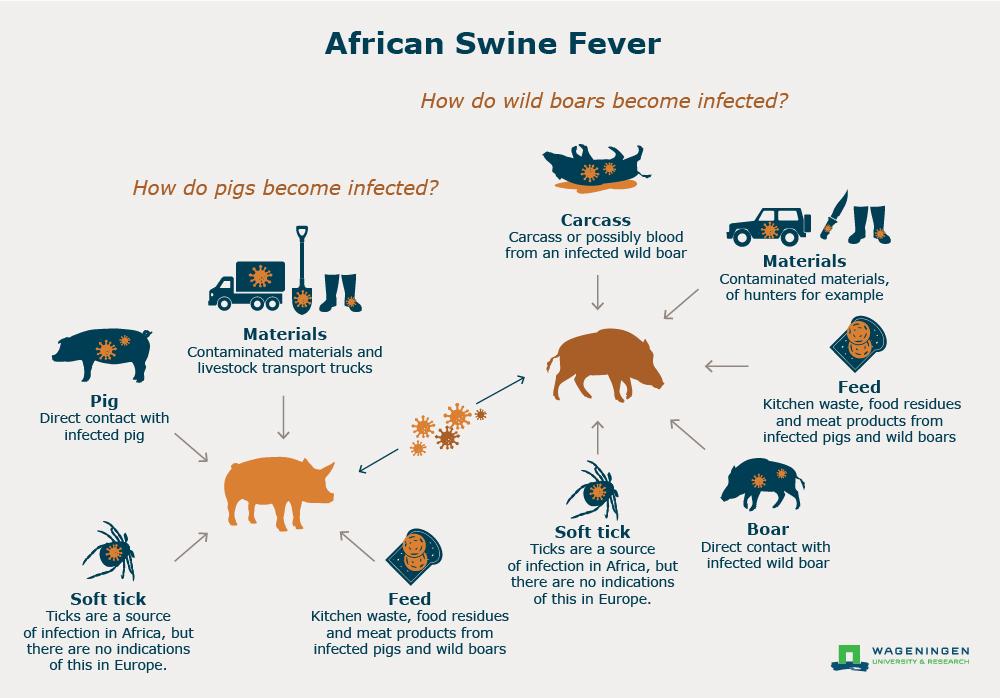
African swine fever (ASF), a highly contagious viral disease devastating the global pig industry, has firmly established itself across Asia, raising concerns over food security and economic stability in the region. Since its initial entry, ASF has spread rapidly through key pork-producing countries, leading to widespread culling and severe disruptions in supply chains. Scientists and policymakers are now grappling with containment strategies as the disease’s entrenched presence threatens to reshape Asia’s agricultural landscape.
African Swine Fever Establishes Persistent Presence Across Asia
Since its initial detection in Asia, the African swine fever (ASF) virus has entrenched itself across numerous countries, significantly impacting local pig populations and disrupting regional pork markets. Unlike previous outbreaks thought to be sporadic or easily contained, recent epidemiological data reveal a pattern of sustained transmission fueled by both wild boar reservoirs and human-driven pig trade networks. These factors combined have complicated containment efforts, making ASF a persistent agricultural challenge rather than a fleeting incident.
Key implications of this ongoing crisis include:
- Economic loss: Substantial revenue drops in pork export and domestic production sectors.
- Food security risks: Reduced pork availability has heightened concerns in communities reliant on swine protein.
- Policy adaptations: Governments are increasingly adopting coordinated biosecurity protocols and surveillance programs, although implementation remains uneven.