

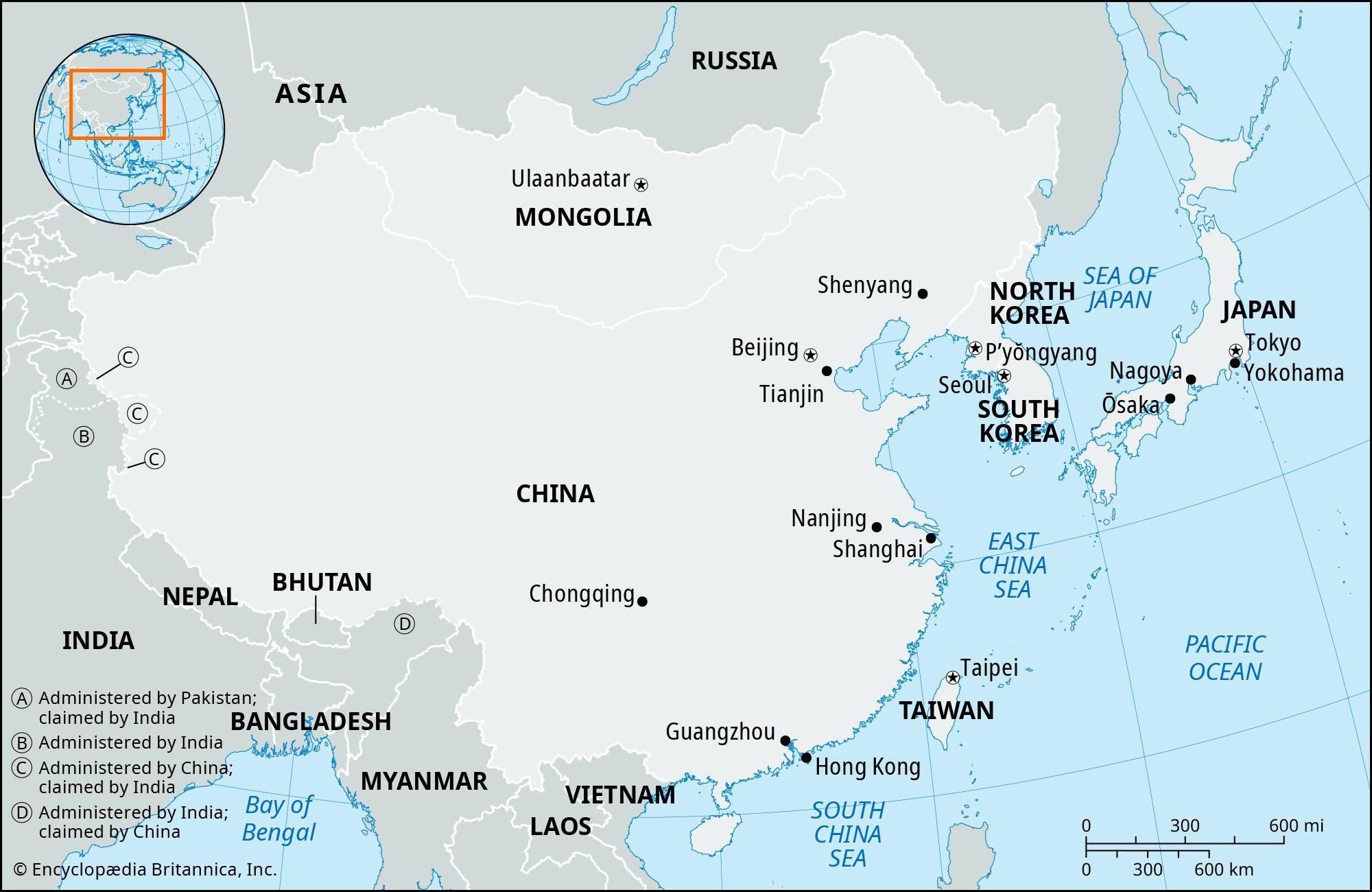
The World Bank has released a comprehensive new report titled “Firm Foundations of Growth: Productivity and Technology in East Asia and Pacific,” shedding light on the region’s remarkable economic progress. The study delves into how advancements in productivity and the adoption of cutting-edge technologies have fueled sustained growth across diverse economies in East Asia and the Pacific. As countries in the region navigate shifting global markets and technological disruptions, the findings offer critical insights into the drivers of development and the challenges ahead. Policymakers and industry leaders alike are expected to draw valuable lessons from this analysis as they seek to build resilient, innovation-led economies for the future.
The Role of Technology Adoption in Driving Sustainable Growth Across East Asia and the Pacific
Technology adoption has emerged as a pivotal catalyst for sustainable economic growth in East Asia and the Pacific, enabling firms to leapfrog traditional development stages. The integration of digital tools and advanced manufacturing techniques enhances productivity by streamlining operations and reducing costs. Countries in the region are witnessing a transformation as small and medium enterprises (SMEs) harness innovations like cloud computing, artificial intelligence, and automation to compete globally. Such technology-driven efficiency not only fosters higher output but also encourages the creation of new value chains, diversifying economies and minimizing reliance on natural resources.
Key factors driving this technological shift include:
- Government-led digital infrastructure investments that create a fertile environment for innovation.
- Public-private partnerships facilitating access to cutting-edge technologies at scale.
- Skills development programs aimed at equipping the workforce with the competencies required for emerging technologies.
| Country | Technology Adoption Index | Annual Productivity Growth (%) |
|---|---|---|
| Singapore | 9.5 | 4.2 |
| Vietnam | 7.8 | 5.0 |
| Philippines | 6.9 | 3.7 |
| Indonesia | 6.3 | 3.5 |
Enhancing Workforce Productivity Through Skill Development and Innovation Policies
Boosting workforce capabilities remains a cornerstone in driving sustainable economic progress across East Asia and the Pacific. Governments and private sectors have increasingly prioritized targeted training programs, emphasizing digital literacy and advanced technical skills. These efforts are supported by collaborative partnerships between educational institutions, businesses, and policy makers, which ensure that training remains aligned with evolving market demands. This synergy not only enhances individual productivity but also strengthens the competitive edge of the region’s industries in the global marketplace.
Innovation policies are rapidly reshaping the production landscape by encouraging research and development incentives, startup incubators, and knowledge-sharing platforms. These initiatives catalyze the adoption of new technologies and foster entrepreneurial mindsets. Key elements driving these transformations include:
- Financial support for SMEs to access cutting-edge tools
- Regulatory reforms to ease market entry for innovative firms
- Public-private collaborations focusing on skill upgradation and tech transfer
| Policy Area | Key Initiative | Impact on Productivity |
|---|---|---|
| Skill Development | Digital Skills Bootcamps | +30% workforce efficiency |
| Innovation | R&D Tax Incentives | +20% technology adoption |
| Collaboration | Industry-Academic Partnerships | Enhanced knowledge transfer |
Policy Recommendations to Foster Digital Infrastructure and Inclusive Economic Expansion
To accelerate digital infrastructure development and ensure that economic gains reach all segments of society, policymakers must prioritize comprehensive broadband expansion paired with robust cybersecurity frameworks. Investment in next-generation networks, such as 5G and fiber optics, is essential for enhancing connectivity, especially in underserved rural and peri-urban regions. Equally important is fostering public-private partnerships that leverage both government oversight and private sector innovation, ensuring sustainable funding models and efficient rollout. Moreover, targeted support for digital literacy programs will empower marginalized communities, enabling them to actively participate in the digital economy and benefit from emerging technology-driven job markets.
Addressing regulatory bottlenecks and streamlining approval processes can further catalyze the growth of digital platforms and service delivery. Encouraging open data policies and interoperable standards will create an ecosystem where startups and small-to-medium enterprises can thrive alongside established corporations, driving competition and productivity gains. Below is a summary of key priorities to underpin this strategy:
- Expand affordable, high-speed internet access nationwide
- Enhance cybersecurity measures to protect digital transactions
- Promote digital skills training across all education levels
- Streamline regulations to encourage tech entrepreneurship
- Implement open data initiatives for transparency and innovation