

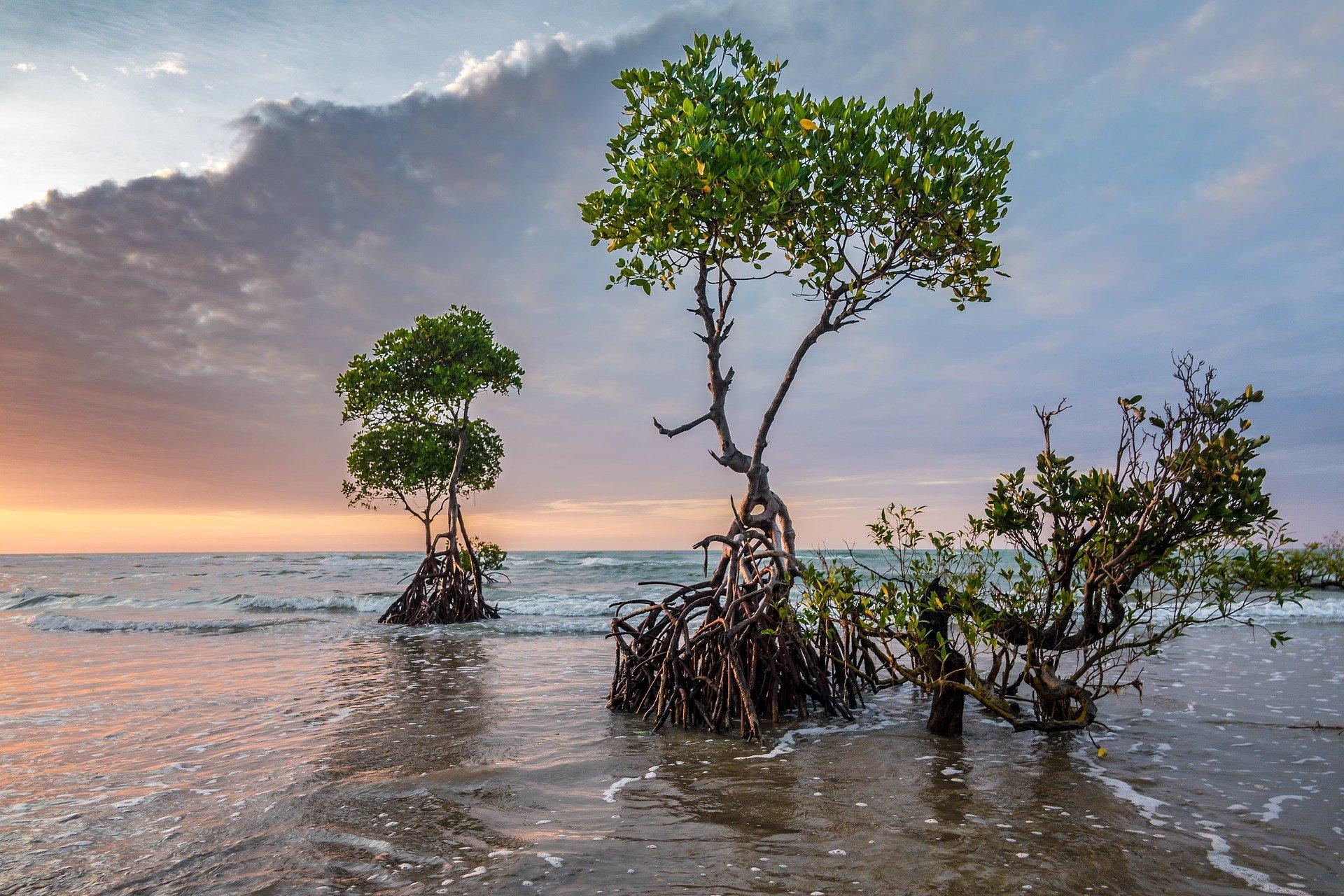
Scientists have uncovered new insights into the vital role mangrove forests play in capturing and storing “blue carbon” across Asia and the Pacific, according to recent research supported by the International Atomic Energy Agency (IAEA). These coastal ecosystems, known for their dense root networks and biodiversity, have long been recognized as natural carbon sinks. The latest findings shed light on the mechanisms behind their carbon sequestration capabilities, emphasizing their importance in combating climate change and informing regional conservation strategies. This breakthrough could pave the way for enhanced environmental policies aimed at protecting and restoring these critical habitats.
Scientists Reveal Mechanisms Behind Mangrove Blue Carbon Storage in Asia and the Pacific
Recent research spearheaded by scientists under the International Atomic Energy Agency (IAEA) has uncovered critical processes that enable mangrove ecosystems in Asia and the Pacific to sequester significant amounts of carbon, often referred to as ‘blue carbon’. By employing advanced isotopic tracing techniques, the team demonstrated how mangrove root systems and sediment interactions enhance long-term carbon storage, effectively locking away greenhouse gases that would otherwise contribute to climate change. These mechanisms involve not only carbon accumulation in biomass but also the transformation and burial of organic material within the coastal sediments, illustrating the complexity and efficiency of these coastal forests as natural carbon sinks.
The findings highlight several key factors influencing blue carbon storage in the region’s mangroves:
- Hydrological connectivity: Tides and freshwater inputs regulate sediment composition and nutrient availability.
- Species diversity: Variations in root structure and leaf litter impact carbon input rates and sediment stability.
- Soil microbial activity: Microorganisms modulate organic matter breakdown and carbon sequestration.
| Region | Average Carbon Sequestration (t C/ha/year) | dominant Mangrove Species |
|---|---|---|
| Southwest Pacific | 4.2 | Rhizophora mucronata |
| Southeast Asia | 5.8 | Avicennia alba |
| East Asia | 3.6 | Bruguiera gymnorrhiza |
New Research Highlights the Role of Mangroves in Combating Climate Change
Recent studies spearheaded by the International Atomic Energy Agency (IAEA) have shed new light on the critical function mangrove ecosystems play in the Asia-Pacific region’s carbon cycle. These coastal forests act as powerful carbon sinks, effectively capturing and storing what is known as “blue carbon” – the carbon sequestered in marine and coastal environments. The research highlights that mangroves not only absorb atmospheric CO2 but also retain large amounts of carbon in both their biomass and underlying sediments, making them vital allies in the fight against climate change.
Key findings from the study reveal the following:
- Mangrove forests store up to four times more carbon per hectare than terrestrial forests.
- Soil carbon below mangroves can remain trapped for millennia, limiting greenhouse gas emissions.
- Effective conservation of these ecosystems can mitigate coastal erosion and buffer extreme weather events.
| Region | Mangrove Carbon Storage (Mg C/ha) | Estimated CO2 Sequestration (tons/year) |
|---|---|---|
| Southeast Asia | 1,020 | 5,400,000 |
| South Asia | 950 | 2,100,000 |
| Pacific Islands | 880 | 780,000 |
Experts Urge Policy Action to Protect Mangrove Ecosystems for Enhanced Carbon Sequestration
Leading environmental scientists have emphasized the urgent need for comprehensive policy frameworks aimed at preserving mangrove ecosystems across Asia and the Pacific. Recognized as powerful natural carbon sinks, mangroves capture and store significant amounts of “blue carbon” – carbon sequestered in coastal and marine ecosystems – helping to mitigate the escalating effects of climate change. Experts warn that without decisive intervention to curb deforestation and degradation, the critical carbon storage capacity of these wetlands could be severely diminished, undermining regional climate resilience efforts.
To facilitate targeted conservation, researchers have outlined key policy recommendations that include:
- Enhanced protection laws against coastal development and unsustainable aquaculture
- Implementation of community-led restoration projects leveraging indigenous knowledge
- Integration of blue carbon accounting into national greenhouse gas inventories
- Increased funding for scientific monitoring and capacity building initiatives
| Region | Estimated Carbon Storage (Mt CO2 eq.) | Current Mangrove Area (km²) | Conservation Priority |
|---|---|---|---|
| South Asia | 75 | 12,500 | High |
| Southeast Asia | 120 | 18,000 | Critical |
| Pacific Islands | 30 | 4,000 | Medium |
Wrapping Up
As the latest research from the IAEA sheds new light on the vital role of mangroves in sequestering blue carbon across Asia and the Pacific, the findings underscore the critical importance of conserving and restoring these coastal ecosystems. With their remarkable capacity to trap and store carbon, mangroves not only support biodiversity but also offer a natural solution to mitigating climate change. Policymakers and environmental stakeholders are now better equipped to harness this knowledge, reinforcing efforts to protect these invaluable carbon sinks for the health of the planet and the resilience of coastal communities.