

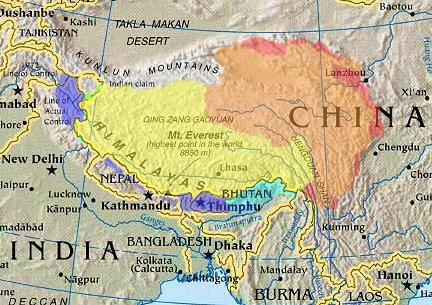
A groundbreaking new study published in Science reveals how the orographic evolution of northern Tibet has played a pivotal role in shaping vegetation patterns and plant diversity across eastern Asia. By unraveling the complex geological history of the Tibetan Plateau, researchers have uncovered striking links between mountain uplift and the rich botanical landscapes that define the region today. This discovery sheds fresh light on the interplay between earth’s tectonic forces and biodiversity, offering a deeper understanding of how ancient geological processes continue to influence ecosystems and conservation efforts in Asia.
Orographic Shifts in Northern Tibet Drive Major Changes in Eastern Asia’s Plant Landscapes
Recent geological studies highlight how the uplift of northern Tibet has acted as a powerful catalyst for ecological transformation across eastern Asia. As the towering orographic barriers evolved, they altered atmospheric circulation patterns and precipitation distribution, fostering new environmental niches. This dramatic shift redirected moisture flows, creating diverse microclimates that encouraged the proliferation of unique plant communities. The emerging landscapes became hotspots for speciation, significantly enriching the botanical diversity of the region over millions of years.
Researchers identify several key factors influenced by these mountainous changes:
- Rain shadow effects that triggered xeric habitat formation on the leeward side
- Enhanced monsoonal dynamics which intensified seasonal rainfall variability
- Altitudinal gradients offering new ecological zones that supported distinct assemblages of flora
| Plant Group | Habitat Shift | Diversity Change |
|---|---|---|
| Conifers | Expanded upland forests | +30% |
| Herbaceous species | Colonized arid valleys | +45% |
| Broadleaf trees | Thrived in wetter lowlands | +25% |
How Mountain Uplift Reshaped Climate Patterns and Biodiversity Hotspots
The dramatic rise of the northern Tibetan Plateau initiated a cascade of environmental transformations that have left lasting impacts on Asia’s climate and its rich biological tapestry. As the mountains ascended, they acted as a colossal barrier, reshaping atmospheric circulation patterns which intensified the Asian monsoon systems. This orographic uplift effectively diverted moisture-laden winds, creating distinct wet and dry zones that directly influenced vegetation distributions across vast regions. The emergence of new climatic niches facilitated the diversification of plant species, especially in the eastern Asian floristic realms.
Mapping these changes reveals a complex interplay between topography and biodiversity hotspots. Regions adjacent to the uplift became crucibles of speciation, harboring species uniquely adapted to microclimates shaped by altitude-induced rainfall gradients. Key factors contributing to this biodiversity surge include:
- Altitudinal zonation: Varied elevations fostering diverse habitats.
- Monsoon intensification: Enhanced seasonal precipitation patterns stimulating plant growth cycles.
- Rain shadow effects: Arid zones promoting drought-resistant flora evolution.
| Region | Annual Rainfall (mm) | Dominant Vegetation | Estimated Plant Species |
|---|---|---|---|
| Eastern Tibet Foothills | 1200 | Temperate Broadleaf Forest | 1,200+ |
| Central Plateau Zone | 600 | Alpine Shrubland | 800+ |
| Southern Basin Edge | 900 | Montane Coniferous Forest | 1,000+ |
Strategies for Conservation Amid Rapid Vegetation Changes Linked to Tibetan Plateau Evolution
In response to the swift alterations in vegetation patterns driven by the Tibetan Plateau’s orographic shifts, conservation efforts must prioritize adaptive management approaches. These strategies emphasize real-time monitoring of plant communities, allowing for dynamic responses to ecological stressors such as changing temperature gradients and altered precipitation regimes. Central to this approach is the integration of local knowledge with cutting-edge remote sensing technologies, enabling conservationists to foresee hotspots of biodiversity loss and intervene promptly. Collaborative efforts with indigenous and local communities enhance the resilience of ecosystems, fostering stewardship practices that align with natural evolutionary processes.
Key conservation actions include:
- Establishing ecological corridors to facilitate species migration as habitats shift altitudinally.
- Implementing seed banking programs that preserve genetic diversity vulnerable to rapid environmental changes.
- Promoting habitat restoration using native plants adapted to newly emerging microclimates shaped by plateau uplift.
- Enhancing policy frameworks that reflect the dynamic nature of vegetation patterns influenced by ongoing geological processes.
| Strategy | Purpose | Expected Outcome |
|---|---|---|
| Ecological Corridors | Enable species migration | Maintain ecosystem connectivity |
| Seed Banking | Preserve genetic resources | Safeguard plant biodiversity |
| Habitat Restoration | Restore natural plant communities | Increase ecosystem resilience |
| Policy Enhancement | Adapt governance to change | Ensure long-term conservation success |
Final Thoughts
The latest findings on the orographic evolution of northern Tibet not only shed light on the region’s geological past but also reveal profound impacts on the distribution and diversity of plant life across eastern Asia. By linking mountain uplift to shifts in climate and vegetation patterns, this study offers a clearer understanding of how Earth’s dynamic landscapes have shaped biodiversity over millions of years. As researchers continue to unravel these complex interactions, such insights could prove vital for predicting how ecosystems might respond to future environmental changes, underscoring the enduring importance of Tibet’s towering terrain in the story of life on our planet.