

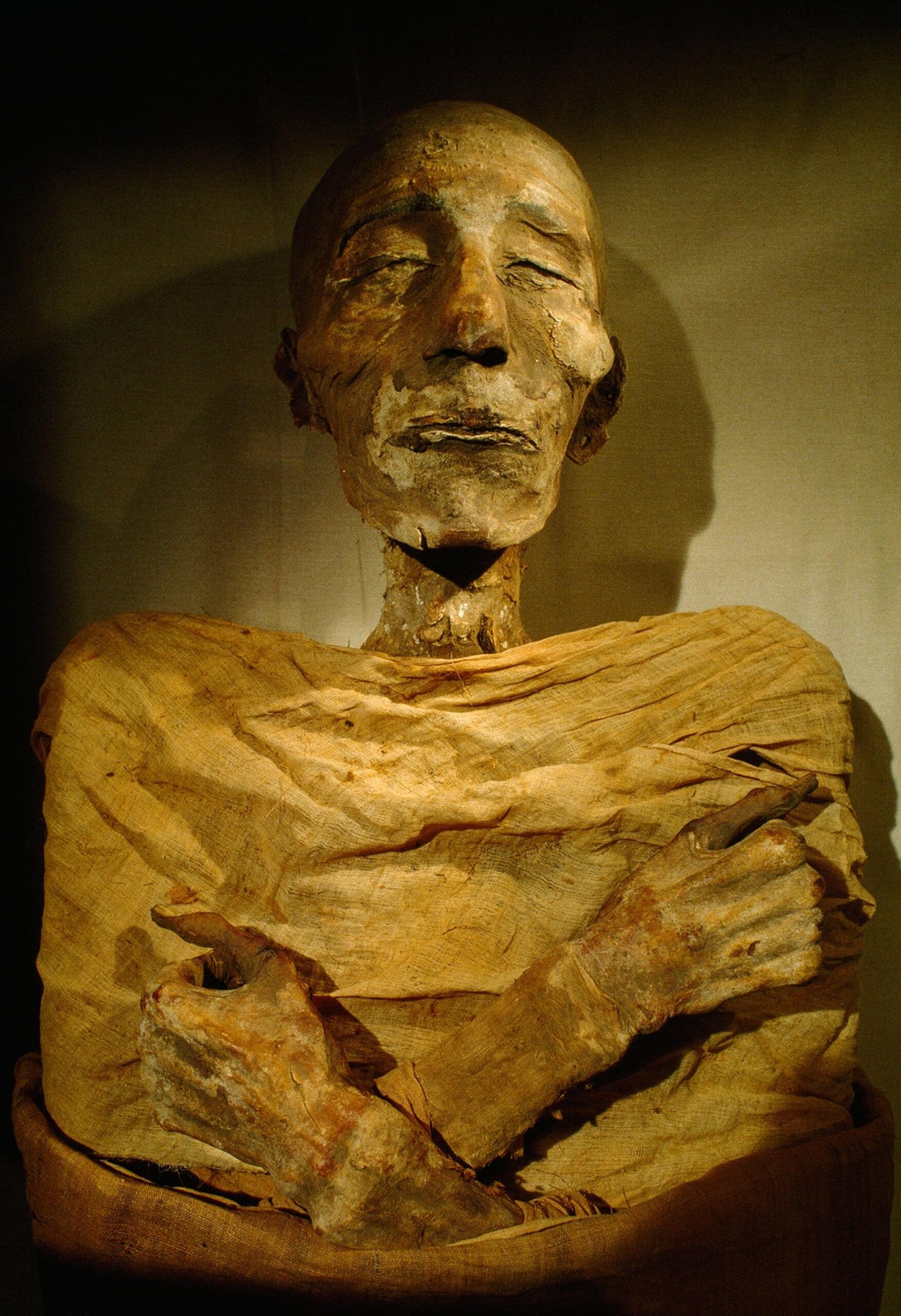
Archaeologists have uncovered mummified remains in Southeast Asia that could potentially be the oldest ever discovered, dating back approximately 12,000 years. This groundbreaking find challenges previous assumptions about the history of mummification and offers new insights into ancient burial practices in the region. Scientists involved in the study say the age and preservation of the mummies could reshape our understanding of early human civilization in Southeast Asia.
Mummies Discovered in Southeast Asia Rewrite History of Ancient Burial Practices
The unprecedented discovery of mummified remains in a remote Southeast Asian cave challenges long-held assumptions about the origins of ancient burial customs. Radiocarbon dating has revealed that these mummies date back approximately 12,000 years, potentially positioning them as the oldest known examples worldwide. Unlike the well-documented Egyptian mummies, these remains exhibit unique preservation techniques, including the application of natural resins and intricate body positioning, hinting at complex mortuary rituals previously unseen in this region.
Archaeologists emphasize that this finding opens new avenues in understanding prehistoric human societies and their spiritual beliefs. Key features observed among the burial artifacts include:
- Use of organic materials for embalming
- Elaborate grave goods made from shell and bone
- Evidence of communal burial chambers
| Feature | Description | Significance |
|---|---|---|
| Resin Coating | Natural tree resin applied to bodies | Improved preservation and possibly ritualistic meaning |
| Body Positioning | Flexed posture with arms crossed over chest | Indicative of deliberate ceremonial practices |
| Burial Chamber | Communal rock shelter used for interment | Suggests social cohesion and shared beliefs |
Scientific Analysis Reveals Dating Techniques Confirm 12,000 Year Old Origins
Recent scientific examinations have employed an array of dating techniques to authenticate the remarkable age of the Southeast Asian mummies, firmly placing their origins at approximately 12,000 years ago. Radiocarbon dating, combined with stratigraphic analysis, has provided compelling evidence that these remains are some of the oldest preserved human bodies ever discovered. This breakthrough challenges previous assumptions regarding the timeline of complex burial practices in prehistoric Southeast Asia. Additionally, advanced isotopic analysis of surrounding sediment layers has corroborated these findings, reinforcing the mummies’ unique place in the archaeological record.
The multidisciplinary approach included:
- Accelerator Mass Spectrometry (AMS) Radiocarbon Dating for precise carbon age estimation
- Thermoluminescence of nearby artifacts to establish environmental timelines
- DNA sequencing to trace ancestral lineage and migration patterns
These methodologies combined to create a robust dataset, highlighting not just the age but also cultural and environmental contexts surrounding these findings.
| Technique | Purpose | Result |
|---|---|---|
| Radiocarbon Dating | Establish chronological age | ~12,000 years |
| Isotopic Analysis | Confirm sediment age | Consistent with radiocarbon results |
| DNA Analysis | Trace human migration | Links to early Southeast Asian populations |
Experts Urge Preservation and Further Research to Illuminate Early Human Civilization
The discovery of these remarkably preserved mummies in Southeast Asia is reshaping our understanding of early human civilization in the region. Archaeologists emphasize the importance of safeguarding these fragile remains against environmental degradation and human interference. The complex burial techniques suggest a sophisticated societal structure and early spiritual beliefs that predate many known ancient cultures. Experts recommend implementing stringent conservation measures to ensure these artifacts remain intact for ongoing and future study.
Further research, combining advanced dating methods and DNA analysis, promises to deepen insights into migration patterns, health, and cultural practices of prehistoric populations. Scientists are calling for collaborative international initiatives to fully explore the implications of this find. The table below outlines key research priorities highlighted by leading anthropologists:
| Research Focus | Objective | Methodology |
|---|---|---|
| Radiocarbon Dating | Confirm chronological timeline | Accelerator Mass Spectrometry |
| Genetic Analysis | Trace ancestry and migration | Ancient DNA Extraction |
| Material Conservation | Preserve organic remains | Controlled Climate Storage |
| Cultural Context | Understand burial rituals | Ethnoarchaeological Studies |
Concluding Remarks
The discovery of these ancient mummies in Southeast Asia, potentially dating back 12,000 years, offers a groundbreaking glimpse into early human history and burial practices in the region. As scientists continue to analyze the findings, this remarkable revelation may redefine our understanding of prehistoric cultures and their development. Further research will be crucial in uncovering the full significance of this extraordinary archaeological site. Sky News will keep following updates on this story as they emerge.