

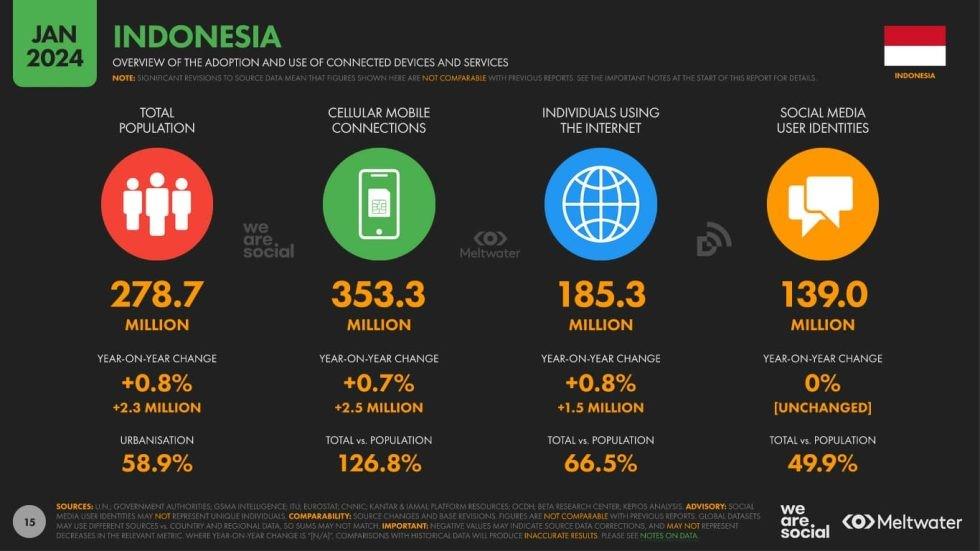
Indonesia’s recent proposal to require social media users to register with a single, government-verified account has ignited a wave of concern among privacy advocates, digital rights groups, and international observers. The plan, unveiled as part of Jakarta’s broader push to regulate online platforms more tightly, aims to curb misinformation and enhance accountability. However, critics warn that the move risks undermining freedom of expression, compromising user anonymity, and setting a troubling precedent for digital surveillance. As Indonesia navigates the complex balance between regulation and rights, the global community watches closely, wary of the potential implications for social media governance in the world’s fourth most populous nation.
Indonesia’s centralized social media account plan raises privacy and security fears
Indonesia’s recent proposal to consolidate citizens’ social media presence under a single, government-managed account has ignited widespread concerns among digital rights advocates and cybersecurity experts. Critics warn that such centralization could pave the way for unprecedented levels of surveillance, diminishing individuals’ privacy and potentially exposing sensitive information to malicious actors. The plan, which aims to streamline online interactions and curb misinformation, may inadvertently create a centralized vulnerability, putting millions of users’ data at risk.
Experts highlight several key issues associated with this initiative:
- Data Breach Risks: Central repositories are attractive targets for hackers seeking bulk information.
- Government Overreach: Potential misuse of centralized access for political monitoring or censorship.
- Lack of Transparency: Unclear protocols around data handling and user consent complicate trust.
| Concern | Impact | Possible Mitigation |
|---|---|---|
| Data Centralization | Increased hacking risk | Robust encryption standards |
| Privacy Violation | Loss of user autonomy | Strict user consent policies |
| Monitoring Abuse | Suppression of dissent | Independent oversight committees |
Experts warn of potential misuse and impact on freedom of expression
Industry experts and digital rights advocates have raised alarms over Indonesia’s new social media account policy, highlighting risks of misuse and threats to freedom of expression. Critics argue that mandating a single account for multiple platforms could lead to unchecked surveillance, making it easier for authorities to monitor citizens’ online activities. They caution that such measures, while aimed at curbing misinformation, might instead create a chilling effect, suppressing dissent and discouraging open dialogue in the digital public square.
Concerns are further compounded by the potential for abuse in enforcement mechanisms. Experts emphasize that without clear safeguards, the policy may inadvertently facilitate:
- Targeting of minority voices and political opponents
- Arbitrary removal of content under vague guidelines
- Reduced anonymity, which is crucial for whistleblowers and activists
| Potential Impact | Details |
|---|---|
| Surveillance Expansion | Aggregated data increases monitoring ease |
| Self-censorship | Users may avoid sensitive topics |
| Platform Trust Erosion | Loss of confidence among digital communities |
Calls for transparent policies and robust safeguards to protect user rights
In response to Indonesia’s ambitious social media initiative, experts and civil rights advocates are urging the government to implement clear and comprehensive policies that prioritize user privacy and data protection. The fear remains that without stringent safeguards, the centralized account system could become a tool for invasive surveillance or censorship, undermining the very freedoms it claims to support. Transparency, many argue, must be non-negotiable, ensuring that users are fully informed about how their data is collected, stored, and potentially shared.
Key demands from watchdogs and digital rights groups include:
- Independent oversight to monitor compliance and protect against misuse.
- Clear consent mechanisms that allow users control over their personal information.
- Robust encryption standards to secure communication and prevent unauthorized access.
- Regular public reporting on policy impacts and privacy breaches.
| Safeguard | Purpose | Status |
|---|---|---|
| Data Minimization | Limit data collected to essentials only | Not clearly outlined |
| User Consent | Ensure informed permission for data use | Under review |
| Audit Trails | Track access and modifications of user data | Not implemented |
| Third-Party Access Controls | Restrict external data sharing | Draft proposal |
Closing Remarks
As Indonesia moves forward with its social media regulation plan, concerns over privacy, freedom of expression, and government overreach continue to mount. While officials argue the measures are necessary to combat misinformation and promote accountability, critics warn that the mandatory single-account policy could pave the way for increased surveillance and censorship. The unfolding debate highlights the ongoing tension between digital governance and civil liberties in one of Southeast Asia’s most populous and digitally connected nations. How Indonesia balances these competing interests will be closely watched by rights advocates and governments around the world.