

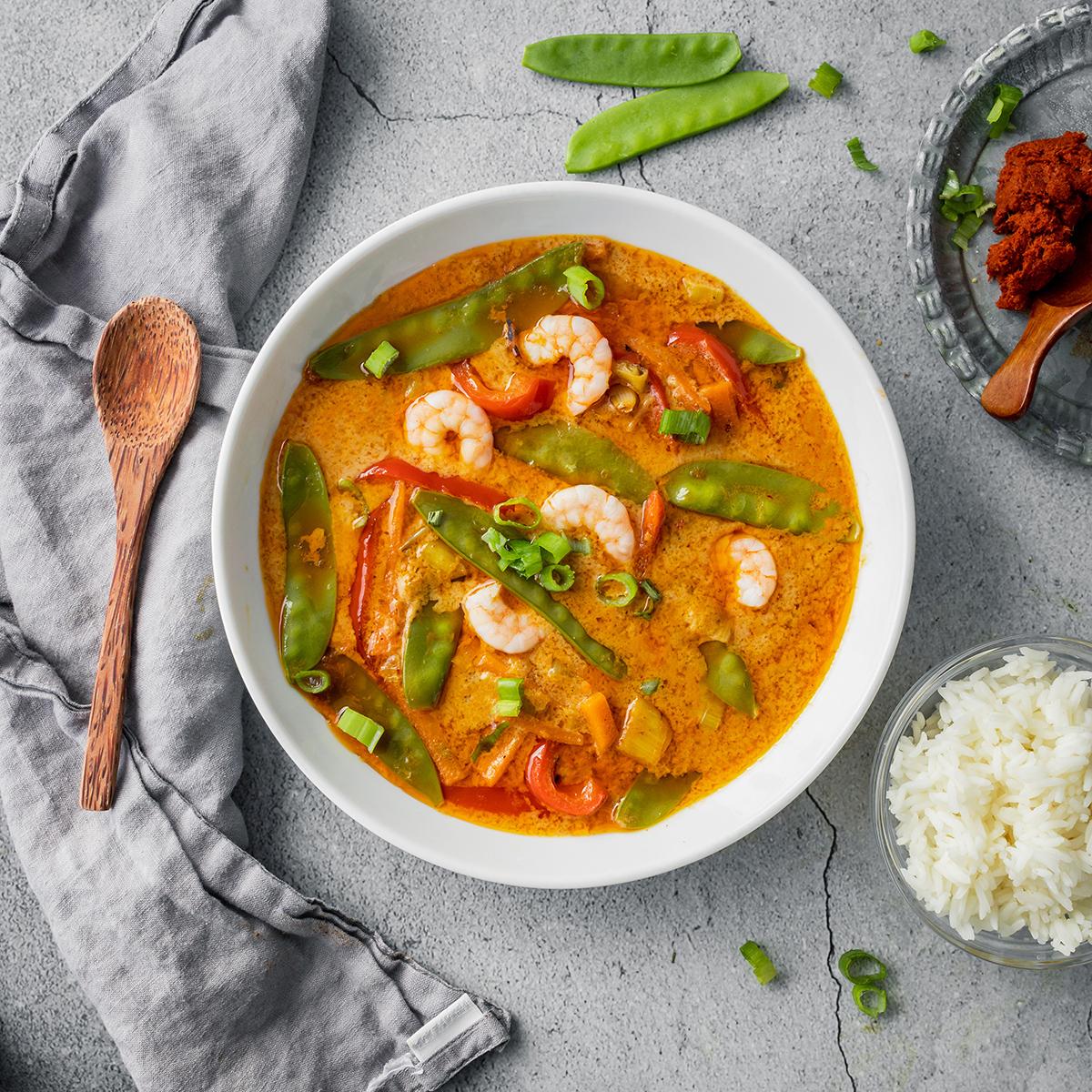
New research suggests that curry, a staple of Southeast Asian cuisine, may have made its way to the region nearly 2,000 years ago. Scientists analyzing ancient artifacts and botanical remains have uncovered evidence pointing to early trade routes that brought spices and cooking techniques from South Asia to Southeast Asia much earlier than previously believed. This discovery sheds new light on the historical exchange of cultures and ingredients, offering fresh insights into the origins of a beloved culinary tradition.
Origins of Curry in Southeast Asia Trace Back Two Millennia
Recent archaeological discoveries and chemical analyses provide compelling evidence that the aromatic blend of spices known as curry did not merely arrive with recent trade but was already flourishing in Southeast Asia nearly 2,000 years ago. Ancient pottery fragments unearthed along historic maritime trade routes reveal residue traces of turmeric, coriander, and fenugreek-key ingredients synonymous with curry’s distinct flavor. These findings suggest an early and sophisticated culinary exchange between South Asia and Southeast Asia, predating previously held assumptions about the timeline of cultural diffusion.
Historical records and linguistic studies further support these scientific insights by documenting the spread of culinary terminology linked to curry across multiple Southeast Asian languages during this period. The adoption of such complex spice blends hints at a rise in social and trade networks facilitating the sharing of not only goods but also gastronomic traditions. Key factors influencing this spread include:
- Maritime trade routes: Connecting Indian subcontinent ports with Southeast Asian kingdoms.
- Local adaptation: Integration of native ingredients to create regionally distinct curry variations.
- Cultural exchanges: Religious and royal patronage promoting gourmand traditions.