

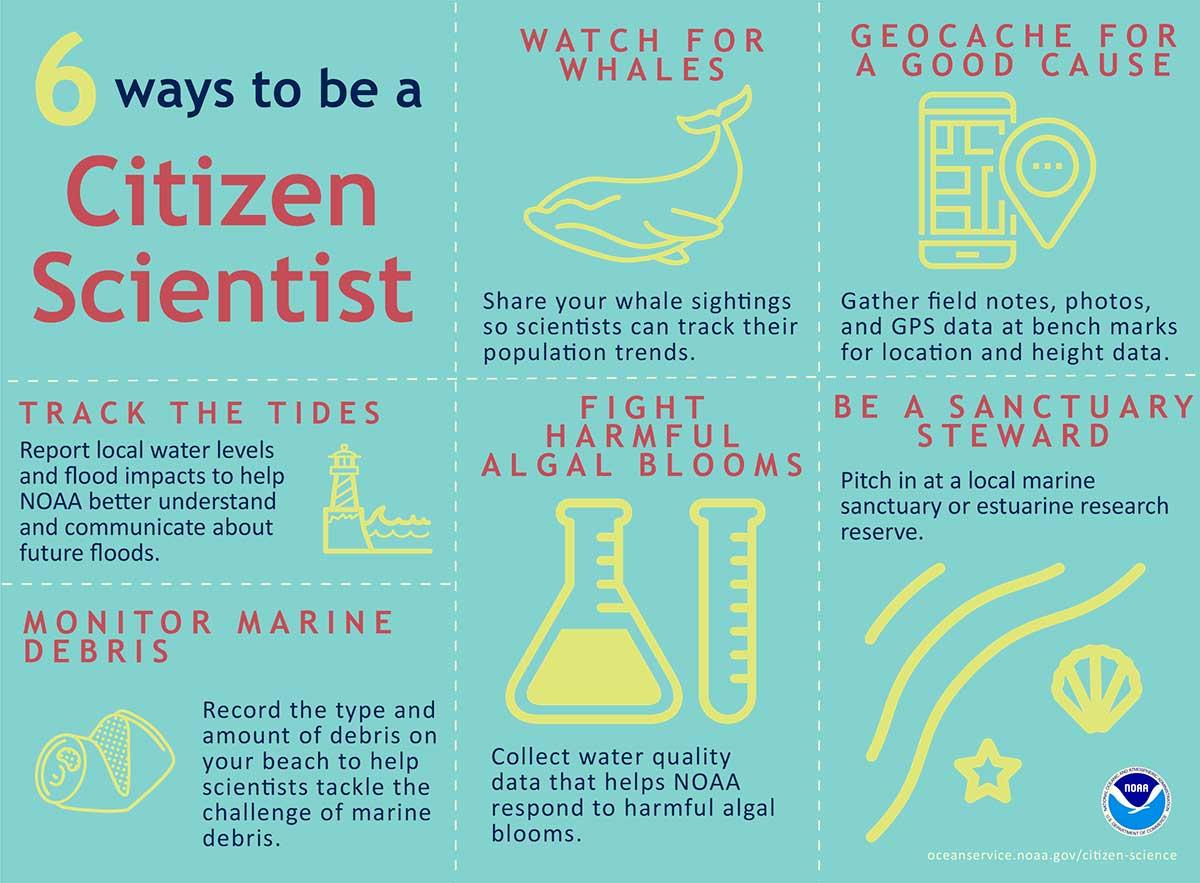
In a remarkable resurgence of grassroots initiative, citizen scientists are spearheading efforts to monitor and rehabilitate areas affected by Japan’s 2011 nuclear disaster. As official governmental activity in the exclusion zones around the Fukushima Daiichi plant remains limited, these independent researchers and volunteers have mobilized cutting-edge technology and community-driven data collection to assess radiation levels and environmental recovery. Their work not only challenges conventional approaches to disaster management but also shines a light on the evolving relationship between local residents and nuclear policy in Japan. This article examines how citizen scientists are reclaiming the disaster zone, redefining scientific engagement, and shaping the future of nuclear safety oversight.
Citizen Scientists Lead Groundbreaking Environmental Monitoring in Fukushima
In the wake of the 2011 nuclear disaster, local citizens have taken it upon themselves to become pioneers in environmental surveillance, reshaping the narrative of Fukushima’s recovery. Armed with handheld radiation detectors, drones, and open-source data platforms, these citizen scientists have created a grassroots network that supplements traditional monitoring efforts. Their real-time reporting has brought unprecedented transparency to the region’s radiation levels, fostering community trust and catalyzing policy discussions at national and international levels.
Key contributions of the citizen-led initiatives include:
- Comprehensive Geospatial Mapping: Detailing hotspots and safe zones beyond official boundaries.
- Innovative Data Sharing: Utilizing interactive web portals and mobile apps for public access.
- Collaborative Research: Partnering with universities and NGOs to validate and analyze findings.