

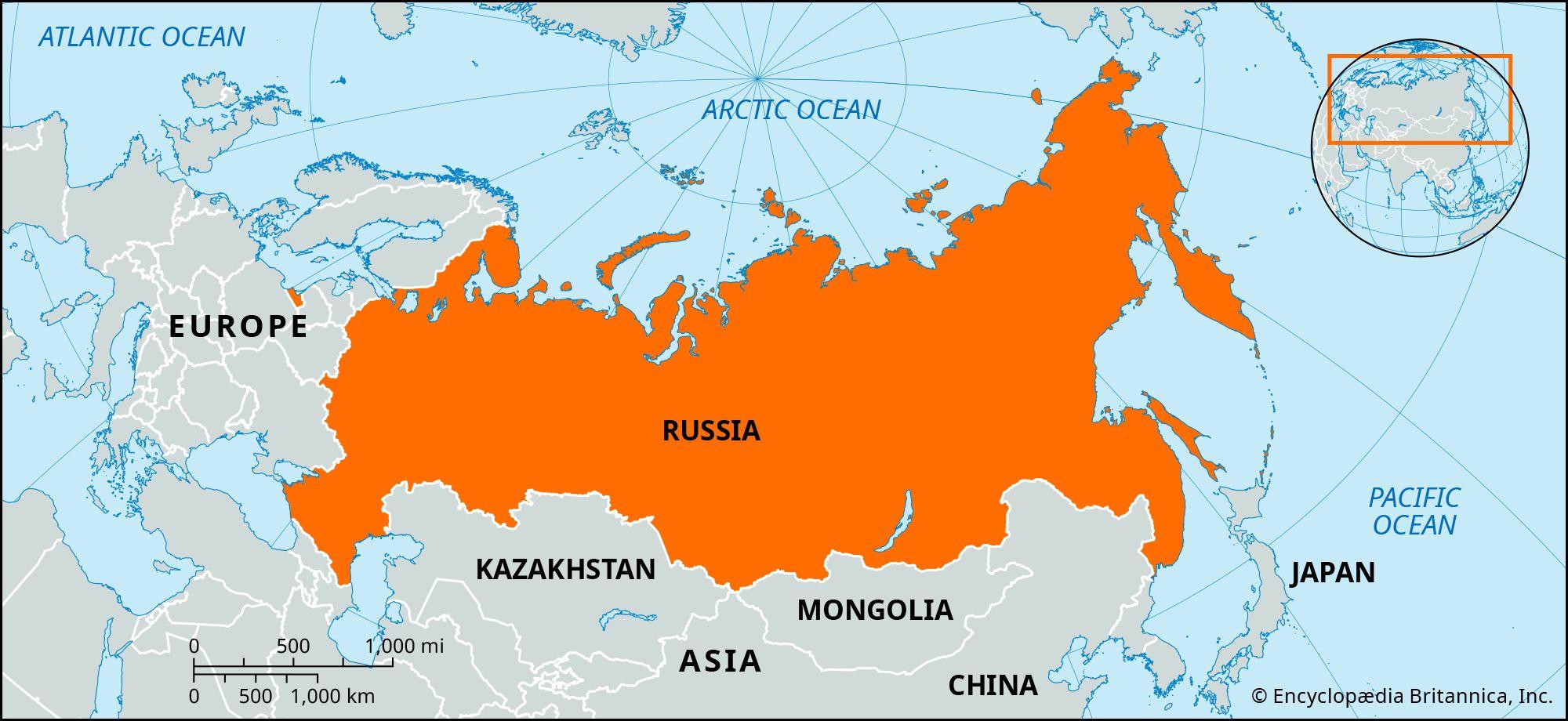
Russia and China are rapidly reshaping Central Asia’s technological landscape, leveraging their geopolitical influence and expanding digital ecosystems across the region. As major powers with competing ambitions, both nations are investing heavily in infrastructure, cybersecurity, and data governance to assert control over Central Asia’s emerging tech markets. This growing rivalry not only affects regional connectivity and economic development but also raises critical questions about digital sovereignty and security. The German Marshall Fund of the United States examines how Moscow and Beijing are embedding themselves into Central Asia’s technology stack, and what this means for the future of the region and its global partners.
Russia’s Strategic Role in Shaping Central Asia’s Tech Infrastructure
Russia continues to assert its influence over Central Asia’s burgeoning tech ecosystem through a combination of legacy infrastructure projects and new digital initiatives. Leveraging its considerable control over regional fiber-optic networks and telecommunications frameworks, Moscow fortifies its position as a gatekeeper of data flow between Central Asia and the broader Eurasian continent. Key Russian state-owned enterprises actively cooperate with Central Asian governments to develop secure, sovereign internet gateways and localized data centers, which form the backbone of digital sovereignty for countries like Kazakhstan, Uzbekistan, and Kyrgyzstan.
The strategic deployment of Russian technology extends across multiple sectors, underscored by partnerships in cybersecurity, 5G rollout, and artificial intelligence research. Central Asian nations, while eager to diversify their technology sources, often rely on Russian expertise due to historical ties and geopolitical calculations. Below is a snapshot of critical Russian contributions to Central Asia’s tech infrastructure:
| Technology Sector | Russian Influence | Central Asia Partners |
|---|---|---|
| Telecommunications | Control of fiber-optic backbone & 5G infrastructure | Kazakhstan, Uzbekistan |
| Cybersecurity | Implementation of secure government communication systems | Kyrgyzstan, Tajikistan |
| Cloud Computing | Establishment of localized data centers | All five Central Asian republics |
| AI & Big Data | Joint research initiatives with universities | Uzbekistan, Kazakhstan |
China’s Expanding Digital Footprint and Influence Across Central Asia
China’s burgeoning presence in Central Asia’s digital ecosystem is reshaping the regional technology landscape at an unprecedented pace. Leveraging strategic infrastructure investments and expansive digital partnerships, Beijing is extending its influence through initiatives like the Digital Silk Road. This push encompasses broad scope areas, including telecommunications, smart city projects, and e-governance platforms. Notably, Chinese tech giants are deploying 5G networks across Kazakhstan, Kyrgyzstan, and Uzbekistan, facilitating faster connectivity but also raising concerns over data privacy and geopolitical leverage. The integration of these technologies exemplifies China’s aim to weave digital interdependence alongside its physical Belt and Road corridors.
Key components fueling this expansion include:
- Investment in National Data Centers: Supporting regional digital sovereignty while fostering dependency on Chinese hardware and software.
- Collaboration with Local Governments: Implementing digital ID systems and fintech solutions tailored to domestic markets.
- Technology Transfer Programs: Facilitating skill development but often aligning with Chinese standards and platforms.
| Country | 5G Coverage (%) | Chinese Infrastructure Projects |
|---|---|---|
| Kazakhstan | 35% | Multiple telecom upgrades, smart cities |
| Uzbekistan | 22% | Digital ID system, fintech platforms |
| Kyrgyzstan | 18% | Data centers, e-governance tools |
Policy Recommendations for Strengthening Regional Tech Sovereignty and Collaboration
To fortify Central Asia’s technological autonomy while fostering cross-border collaboration, policymakers must prioritize investments in indigenous innovation hubs. Establishing regional research centers equipped with state-of-the-art infrastructure can reduce reliance on external powers, notably Russia and China, and cultivate a homegrown talent pool. Governments should incentivize startups and SMEs through targeted grants and tax relief, enabling a vibrant ecosystem where local solutions address regional challenges. Additionally, transparent regulatory frameworks that protect intellectual property and ensure data sovereignty will empower Central Asian countries to negotiate technology partnerships from a position of strength rather than dependency.
Enhanced multilateral cooperation is equally vital, with a focus on sharing best practices and pooling resources to build robust supply chains for semiconductors, software development, and telecommunications. Collaborative digital platforms and standardized cybersecurity protocols can serve as a foundation for mutual trust among Central Asian states and their external partners. The table below outlines key areas and corresponding actions that stakeholders must embrace to transform Central Asia into a resilient and interconnected technology hub.
| Key Area | Recommended Action | Expected Outcome |
|---|---|---|
| Innovation Ecosystems | Fund tech incubators and accelerate cross-border startup programs | Boost local tech entrepreneurship and reduce external tech dependency |
| Regulatory Frameworks | Implement clear data protection laws and IP rights enforcement | Ensure digital sovereignty and attract international investment |
| Regional Collaboration | Establish joint R&D initiatives and cybersecurity task forces | Strengthen technological interoperability and trust |
| Skill Development | Launch specialized tech education and vocational training | Create capable workforce aligned with regional digital needs |
The Way Forward
As Russia and China continue to deepen their technological footholds in Central Asia, the region stands at a critical juncture. Their growing influence reshapes not only local infrastructure but also the broader geopolitical landscape, challenging Western interests and alliances. Understanding the dynamics outlined by the German Marshall Fund of the United States is essential for policymakers and analysts alike, as Central Asia emerges as a key battleground in the global race for technological dominance. The developments here will undoubtedly reverberate far beyond the region’s borders in the years to come.