

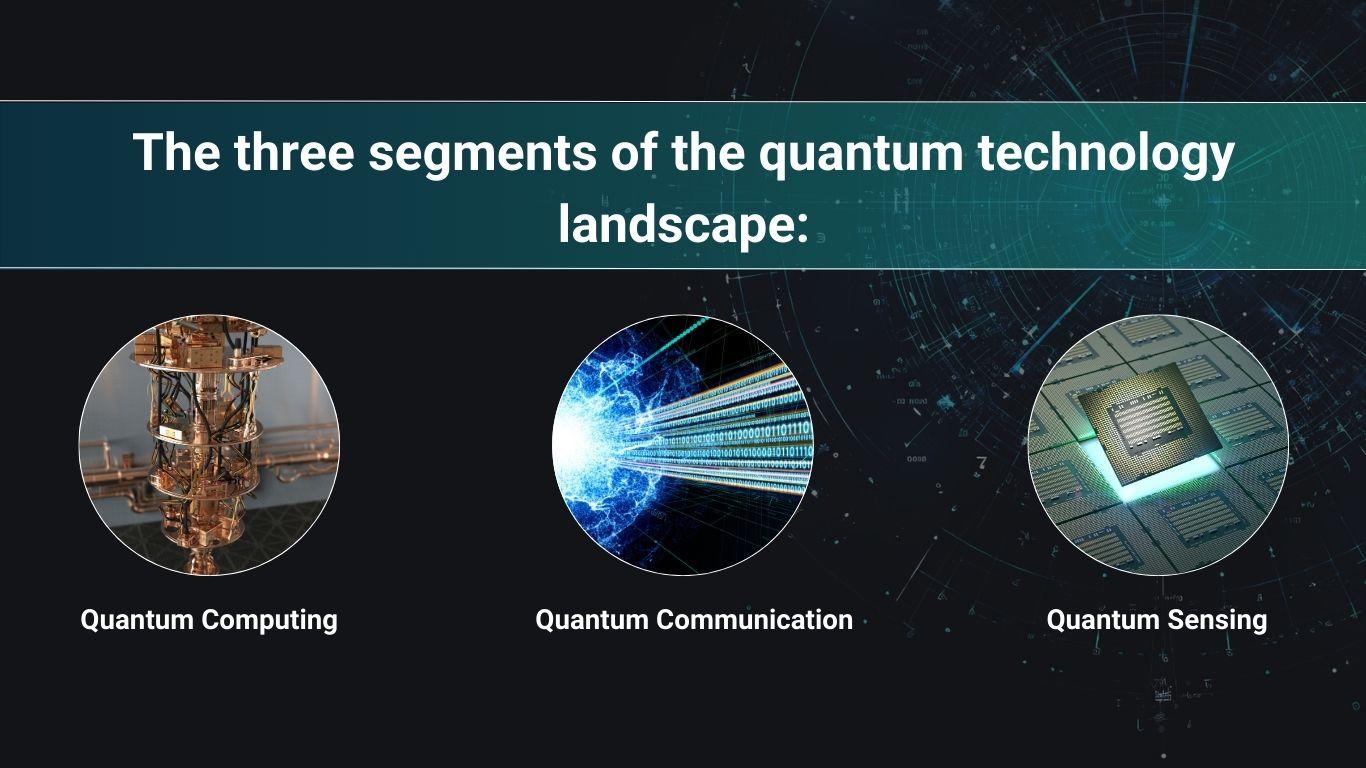
The Asia-Pacific region is rapidly emerging as a pivotal hub for advancements in quantum technology, driven by significant investments and innovative research. Highlighting this momentum, the Japan Science and Technology Agency (JST) recently unveiled key insights into the latest trends shaping the quantum landscape across the region. As countries vie to harness the transformative potential of quantum computing, communication, and sensing, JST’s findings shed light on groundbreaking developments, collaborative initiatives, and strategic priorities that are positioning Asia-Pacific at the forefront of the global quantum race. This article explores these trends and their implications for the future of technology and industry in the region.
Emerging Quantum Technology Innovations Driving Asia-Pacific’s Scientific Edge
The Asia-Pacific region is rapidly becoming a hotbed for quantum technology breakthroughs that are set to redefine the scientific landscape. Spearheaded by Japan’s robust investment and collaborative ecosystem, advances in quantum computing, sensing, and communication are accelerating at an unprecedented pace. Major initiatives are focusing on creating scalable quantum processors, enhancing error correction methods, and developing quantum networks that promise to revolutionize secure data transmission across industries. Countries like South Korea, China, and Australia are also heavily contributing, fostering cross-border partnerships that blend academic research with cutting-edge industrial applications.
Notable innovations include quantum-enhanced AI algorithms and ultra-sensitive quantum sensors for environmental monitoring. The table below highlights key quantum milestones recently achieved by Asia-Pacific leaders, showcasing their scope and impact:
| Country | Innovation | Impact |
|---|---|---|
| Japan | Superconducting Qubits Scaling | Improved computational power for material simulations |
| China | Satellite-Based Quantum Communication | Global secure communication network |
| Australia | Quantum Sensing for Medical Diagnostics | Early detection of neurological disorders |
| South Korea | Quantum Cryptography Chips | Enhanced cybersecurity infrastructure |
These innovations underscore a wider strategic vision emphasizing collaborative R&D, talent cultivation, and sustained funding. Uniting these elements creates a fertile ground where quantum technologies not only thrive but promise tangible benefits, positioning Asia-Pacific as a global leader in the next wave of scientific transformation.
Japan Science and Technology Agency’s Strategic Role in Advancing Quantum Research
The Japan Science and Technology Agency (JST) has established itself as a pivotal force driving innovation in quantum technology within the Asia-Pacific region. By orchestrating cross-disciplinary collaborations and facilitating high-risk, high-reward projects, JST focuses on transforming theoretical quantum concepts into practical applications. Their strategic initiatives emphasize the development of quantum computing architectures, quantum communication networks, and advanced quantum sensing devices, positioning Japan as a global spearhead in next-generation technology breakthroughs.
Key facets of JST’s approach include:
- Collaborative Research Platforms: Establishing international consortia that bridge academia, industry, and government agencies.
- Funding and Resource Allocation: Prioritizing investments in emerging quantum startups and research hubs.
- Talent Development: Supporting specialized education programs to cultivate a skilled quantum workforce.
| Initiative | Focus Area | Projected Impact |
|---|---|---|
| Quantum Leap Challenge | Quantum Computing Algorithms | Acceleration of error-resistant processors |
| Quantum Connectivity Project | Secure Communication | Realization of ultra-secure global networks |
| Quantum Sensors Initiative | Precision Measurement | Enhanced environmental and medical diagnostics |
Policy Recommendations to Foster Regional Collaboration and Commercialization in Quantum Tech
The rapid evolution of quantum technology in the Asia-Pacific region calls for strategic policies that strengthen regional cooperation and accelerate commercialization efforts. To effectively harness the potential of quantum innovations, governments and stakeholders should prioritize cross-border partnerships that facilitate knowledge exchange and resource sharing. Encouraging joint research initiatives and creating dedicated quantum innovation hubs can bridge the gap between academia, industry, and startups. Furthermore, harmonizing regulatory frameworks across countries will reduce barriers and enable seamless collaboration, paving the way for a more competitive and integrated quantum ecosystem.
Key policy actions include:
- Establishing funding pools for multinational quantum projects
- Implementing incentive programs to attract private sector investment
- Promoting standardization of quantum technologies and components
- Building talent pipelines through regional education and training networks
| Policy Focus | Proposed Initiative | Expected Impact |
|---|---|---|
| Funding | Quantum Innovation Grant Program | Boost R&D and commercialization activities |
| Regulation | Regional Quantum Standards Consortium | Facilitate interoperability and market access |
| Collaboration | Transnational Quantum Research Grants | Enhance cross-border scientific exchange |
| Workforce | Quantum Talent Development Initiative | Ensure skilled personnel availability |
In Conclusion
As the Asia-Pacific region continues to assert its leadership in quantum technology, insights from the Japan Science and Technology Agency underscore the dynamic advancements shaping the sector. With increased investments, collaborative research efforts, and a strategic focus on commercialization, the region is poised to influence the global quantum landscape significantly. Observers and stakeholders alike will be watching closely as these developments unfold, heralding a new era of innovation and technological progress across Asia-Pacific.