

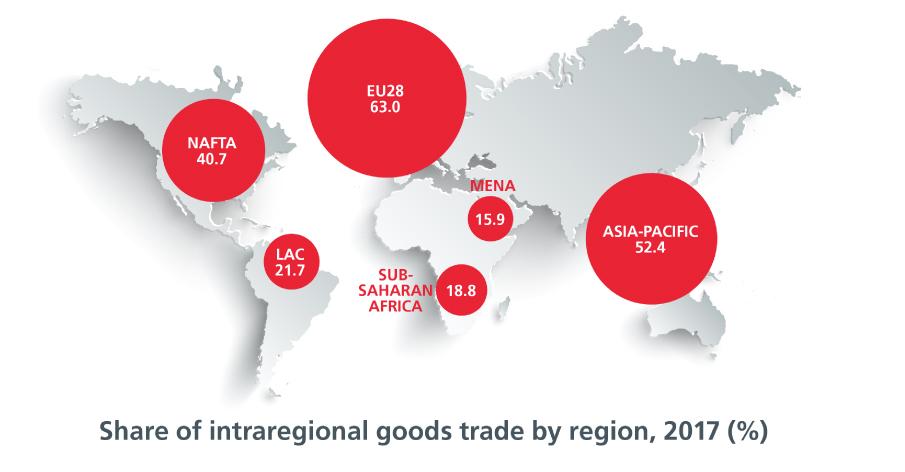
In the face of escalating geopolitical tensions across the Asia-Pacific region, intra-Asia trade is undergoing a significant transformation. Once seen primarily through the lens of political rivalry and economic caution, the dynamic exchange of goods and services within Asia is now emerging as a resilient driver of growth and opportunity. This shift is reshaping regional supply chains, investment flows, and trade finance strategies, positioning intra-Asia commerce as a critical pillar in the global economy. As nations navigate complex diplomatic landscapes, the evolving patterns of trade reveal not only challenges but also promising avenues for cooperation and prosperity throughout the continent.
Intra-Asia Trade Shift Navigates Rising Geopolitical Challenges
As geopolitical tensions reshape alliances and trade corridors, Asia’s intra-regional commerce has demonstrated remarkable resilience and adaptability. Countries within the region are rapidly recalibrating their trade strategies, leveraging diversification to reduce dependency on politically sensitive routes. This pivot is fostering a dynamic landscape where economic pragmatism often trumps political friction, creating new networks and supply chains that drive sustainable growth despite external pressures.
Key strategies shaping this shift include:
- Supply chain realignment: Firms are optimizing logistics to circumvent contested zones, enhancing efficiency while mitigating risk.
- Free trade agreements: Enhanced regional pacts, such as RCEP, boost tariff-free exchange and deepen economic integration.
- Digital trade platforms: These tools facilitate cross-border transactions, reducing friction and increasing transparency.
| Country Pair | Trade Volume Growth (2023) | Main Export Sectors |
|---|---|---|
| Vietnam – Malaysia | 12.5% | Electronics, Textiles |
| South Korea – Indonesia | 9.8% | Automotive, Machinery |
| Thailand – Philippines | 7.4% | Food Products, Chemicals |
Unlocking Financial Solutions to Sustain Cross-Border Commerce
As the complexities of intra-Asia trade escalate amidst geopolitical shifts, the demand for agile and innovative financial mechanisms has never been greater. Businesses navigating cross-border transactions are increasingly turning to tailored trade finance solutions to mitigate risks and maintain liquidity. These instruments not only facilitate seamless payment flows but also foster trust among trading partners who face currency volatility and regulatory uncertainties. The rise of digital trade finance platforms, backed by blockchain and AI, further accelerates transaction transparency and efficiency, enabling companies to sustain operations even when conventional financial channels face disruption.
Key financial enablers reshaping cross-border commerce include:
- Supply chain financing: Unlocking working capital tied up in long payment cycles.
- Letters of credit and guarantees: Securing commitments and reducing counterparty risks.
- Export credit insurance: Protecting exporters from non-payment.
- Digital platforms: Streamlining documentation and real-time tracking.