

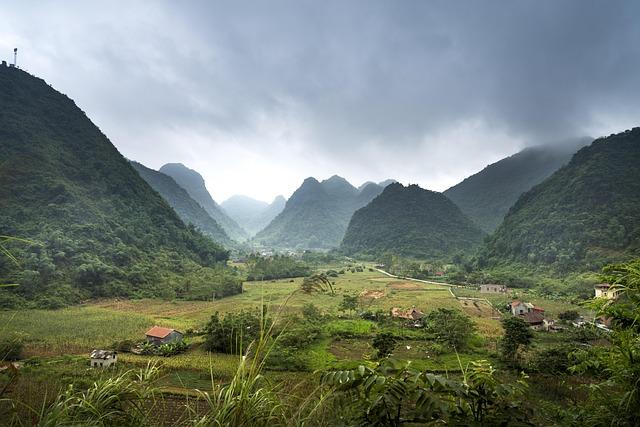
Vietnam’s experiential tourism is evolving fast. As infrastructure improves and traveler tastes shift from passive sightseeing to participatory discovery, Vietnam is becoming a top choice for those seeking culture, food and authentic local encounters. From the motorbike bustle of Hanoi’s Old Quarter to the luminous evenings of Hoi An and the riverborne rhythms of the Mekong, visitors are increasingly after hands-on experiences-cooking alongside home cooks, learning craft techniques in neighborhood workshops, and sharing meals with families that reveal the country’s living traditions.
Why Vietnam Is Trending for Experience Travel
– A broader appetite for meaningful travel has pushed operators to design trips that emphasize participation over observation. Instead of only ticking off monuments, travelers now want to learn how a bowl of phở reaches its depth of flavor, or witness the nightly ritual of lantern-lighting in an artisan’s studio.
– Since the pandemic, industry insiders note a steady uptick in demand for “doing” experiences-market tours with food tastings, small-group homestays, and community-led workshops. Domestic tourism has surged in many provinces, and international arrivals are recovering steadily, encouraging businesses to scale experience-driven products.
A Culinary Route: North to South, Dish by Dish
Vietnam’s landscape is mirrored in its kitchens. Moving from Hanoi down to the Mekong Delta feels like a curated tasting menu where the same staples-rice, fish sauce, fresh herbs-are recomposed regionally.
– Northern flavors (Hanoi and Red River Delta): Dishes tend toward subtlety. City mornings often begin at low-stool food stalls with bowls of phở-clear broths simmered slowly with notes of charred ginger and star anise. Street-side vendors also sell chả cá (turmeric-marinated fish) and sweet, leaf-wrapped confections.
– Central coast (Hue and beyond): Here you’ll encounter more complex, layered preparations connected to imperial kitchens-spiced broths, rice-based cakes and bolder, spicy profiles such as bún bò Huế.
– Southern palette (Ho Chi Minh City and the Mekong Delta): Tropical ingredients-coconut milk, palm sugar, abundant fruit-translate into rich curries, caramelized clay-pot dishes like cá kho, and sweets that celebrate natural sweetness.
Street Food Walks and Market Mornings
Curated food walks have become one of Vietnam’s fastest-growing product types. These guided strolls do more than point to great bites; they explain etiquette (how to order and where to sit), demystify regional names and reveal the stories of vendors who often work family recipes handed down generations. In the Mekong Delta, early-riser tours to floating markets demonstrate commerce conducted boat-to-boat-pineapples, pomelos and bundles of rice noodles moving like colorful pieces in a living mosaic. For many travelers, a first sip of cà phê sữa đá (iced coffee with condensed milk) from a street vendor is as memorable as any landmark.
Crafts, Homestays and Community-Led Experiences
Beyond food, Vietnam’s cultural revival is visible in village studios and family-run homestays. In many areas:
– Multi-generation homes have been adapted to host visitors, offering overnight stays that double as cultural immersion-share morning rituals, try rice-wine tastings, sleep under family heirlooms.
– Cooperative initiatives are growing: former farmers and artisans now split their time between seasonal work and teaching visitors skills such as lantern-making in Hoi An, silk weaving in the north, or boat carving along central waterways.
– Women’s groups and ethnic minority collectives are reviving textile motifs and using visitor fees to fund local education and craft centers.
These community partnerships often result in measurable social benefits-new revenue for rural households, reduced pressure toward urban migration, and reinvestment in local infrastructure-while giving travelers the chance to contribute directly to community resilience.
How Travel Advisors Can Package Vietnam’s Depth
For tour designers and travel advisers, the opportunity is to bundle authenticity with responsible practices:
– Swap large bus tours for small-group, neighborhood-based itineraries that include home-hosted meals and participatory workshops.
– Make community contribution transparent-allocate a portion of the tour fee to community funds, scholarships or craft cooperatives and explain that impact to guests.
– Build multi-day culinary routes (Hanoi-Hue-Hoi An-Mekong) that treat cuisine as a narrative, showing how ingredients and techniques evolve with the landscape.
Practical Tips for Travelers
– Timing: Mornings are best for markets and fresh breakfasts; evenings suit lantern streets and night markets.
– Etiquette: Bring cash in small notes for market purchases; accept food offered by hosts and try local customs such as sharing small plates.
– Booking: Choose operators that prioritize small groups, local guides and clear benefit-sharing with communities.
Sustainability and Authenticity: Balancing Growth and Heritage
As visitation rebounds, protecting cultural integrity is crucial. Responsible experience providers are prioritizing smaller group sizes, limiting workshop days to reduce artisan burnout, and requiring that a share of proceeds supports craft training and local services. This model not only preserves tradition but also enhances the visitor experience, turning each interaction into part of a longer-term story rather than a one-off spectacle.
Conclusion
Vietnam’s appeal today comes from depth as much as from beauty. The country’s neighborhoods, markets and village courtyards offer layered encounters that reveal history through taste, craft and daily ritual. For travelers who want to learn while they wander, and for advisors designing itineraries that matter, Vietnam offers a dynamic, accessible stage for immersive cultural and culinary travel-one where each meal, workshop and homestay is a doorway into the country’s living heritage.