

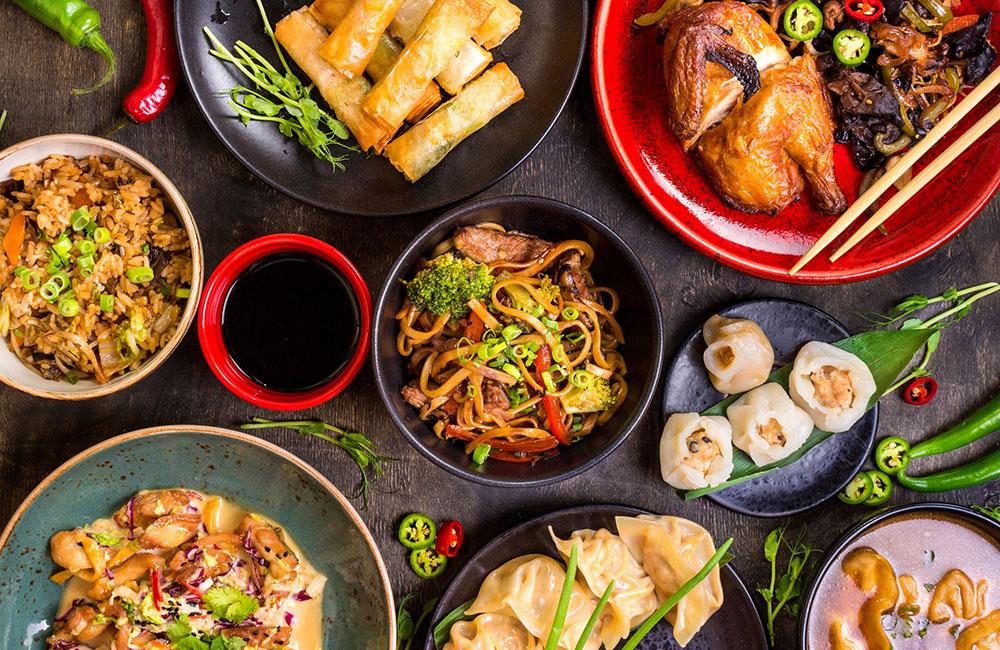
Rochester, NY – A group of language students embarked on an immersive cultural journey this week, exploring the rich and diverse flavors of Asian cuisine during a field trip organized by Alfred University. The excursion offered participants not only a taste of traditional dishes but also an opportunity to deepen their understanding of the cultural contexts behind the food, enhancing their language studies with first-hand experience. This engaging outing reflects Alfred University’s commitment to experiential learning and cross-cultural appreciation.
Language Students Explore Authentic Asian Cuisine During Rochester Field Trip
Students enrolled in Asian language courses at Alfred University recently embarked on a cultural immersion trip to Rochester, where they delved into the rich traditions of Asian cuisine. The field trip allowed participants to sample an array of authentic dishes-from the delicate flavors of Japanese sushi to the vibrant spices of Thai curries. Alongside tasting sessions, local chefs guided the students through culinary demonstrations, offering insights into cooking techniques, ingredient selection, and the historical significance behind each dish. This hands-on experience provided a valuable complement to classroom learning, enriching students’ understanding of language through the lens of food culture.
Highlights from the excursion included visits to renowned eateries and markets, where students navigated menus in target languages and engaged with native-speaking vendors. The itinerary featured:
- Dim sum tastings at a bustling Chinatown restaurant
- Ramen-making workshops led by experienced chefs
- Explorations of traditional ingredient markets, uncovering staples like miso and lemongrass
- Interactive language challenges focusing on food vocabulary and ordering etiquette
| Dish Sampled | Country | Key Ingredient |
|---|---|---|
| Kimchi | South Korea | Fermented Cabbage |
| Pad Thai | Thailand | Rice Noodles |
| Miso Soup | Japan | Soybean Paste |
| Banh Mi | Vietnam | Pickled Vegetables |
Immersive Food Tasting Provides Cultural Insights and Language Practice Opportunities
Delving deeper than textbooks and vocabulary drills, the recent field trip to Rochester offered language students a lively gateway into Asian traditions through the medium of food. Participants engaged directly with authentic dishes, each bite offering a window into the region’s history, values, and daily rituals. This hands-on experience sparked lively conversations among peers and instructors, enriching their understanding of cultural nuances while reinforcing foreign language skills in a natural setting. Students practiced ordering, describing flavors, and discussing ingredients in their target languages, turning a meal into a dynamic classroom.
The immersive tasting session was thoughtfully curated to enhance both cultural appreciation and linguistic development. From the bubbling pots of hot pot to the intricate layers of dim sum, each dish was paired with key phrases and vocabulary, aiding comprehension and retention. Beyond the sensory delight, this approach nurtured empathy and respect for diverse customs.
- Interactive menus: Language prompts embedded on menus guided conversational practice.
- Cultural anecdotes: Stories behind dishes enriched cultural knowledge.
- Taste challenges: Encouraged descriptive language use through flavor comparisons.
| Dish | Language Focus | Key Cultural Insight |
|---|---|---|
| Ramen | Ordering and ingredients | Regional culinary variations |
| Kimchi | Describing tastes and textures | Fermentation traditions and symbolism |
| Bubble Tea | Expressing preferences and questions | Modern fusion and youth culture |
Recommendations for Maximizing Educational Value on Culinary Field Experiences
Immersive culinary field experiences offer language students a unique opportunity to engage directly with the cultural nuances behind Asian cuisine. To maximize this educational benefit, preparatory efforts before the trip are essential. Encouraging students to research traditional ingredients, regional cooking methods, and cultural etiquette enhances their appreciation and contextual understanding. During the experience, active participation in food preparation and respectful inquiry about culinary traditions significantly deepen learning. Additionally, reflective discussions post-visit help students synthesize their sensory and cultural observations with linguistic skills.
Key strategies to enrich learning outcomes include:
- Integrating targeted vocabulary exercises related to food and culture.
- Facilitating small-group dialogues to practice conversational skills around meal customs.
- Documenting the field trip through multimedia reports or journaling for language reinforcement.
- Complementing visits with expert talks or cooking demonstrations to contextualize experiences.