

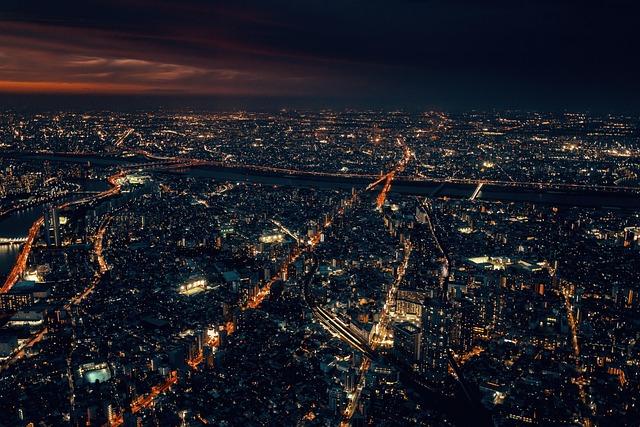
Cities across the Asia-Pacific are racing to redefine urban life, using sports infrastructure and public transport as twin engines of renewal. From waterfront stadiums in Australia to elevated running tracks in South Korea and metro-linked arenas in Southeast Asia, planners are rethinking how residents move, play and gather. “Asia/Pacific Urban Updates: Sports Parks and Transit” examines how governments and developers are knitting together recreational spaces and mobility networks, creating denser, more liveable neighbourhoods in the process. As pressures of population growth, climate change and post-pandemic habits converge, these projects offer a revealing snapshot of how the region’s cities hope to stay competitive – and humane – in an increasingly urban century.
Revamping sports parks in Asia Pacific cities through smarter public spending and community design
From Seoul to Surabaya, municipal planners are quietly rewriting the playbook for outdoor recreation, channelling limited budgets into multi-use arenas rather than single-sport showpieces. Concrete grandstands are giving way to open, flexible fields flanked by shaded walking loops, cycling lanes and small pavilions that double as changing rooms, cafés or classrooms for health workshops. City governments are pairing these upgrades with data-led audits of how and when residents actually use the grounds, trimming underperforming facilities and diverting funds into lighting, maintenance and safe night-time access. In parallel, partnerships with local schools and small businesses are ensuring that facilities stay active beyond weekend football matches, with weekday tai chi groups, senior fitness sessions and youth leagues now shaping the daily rhythm of these spaces.
Authorities are also experimenting with design codes that place community needs first, embedding inclusive and low-cost features that encourage repeat visits rather than one-off tournaments. These range from permeable fencing that keeps parks visually open to surrounding streets to simple, modular equipment that can be reconfigured for basketball one evening and futsal the next. Many projects now bundle sports grounds into broader climate-resilience schemes, adding rain gardens, tree canopies and permeable surfaces to cool overheated districts. The emerging toolkit includes:
- Shared-use pitches that host school sports by day and neighbourhood clubs after dark.
- Perimeter tracks designed for running, walking and wheelchairs, separated from fast-moving games.
- Street-facing kiosks operated by local vendors to fund upkeep through steady footfall.
- Smart lighting and CCTV that extend safe hours while limiting energy use.
| City | New Focus | Funding Tactic |
|---|---|---|
| Jakarta | Flood-resilient playing fields | Reallocated road budgets |
| Melbourne | Inclusive courts for all ages | Community co-funding |
| Bangkok | Skytrain-linked pocket parks | Developer levies |
Transit upgrades driving denser walkable neighbourhoods and new retail clusters across the region
From Osaka’s orbital rail expansion to Brisbane’s fast-tracked metro spurs, new lines and stations are recalibrating how residents live, shop and commute, compressing daily life into tighter, more walkable catchments. Municipal planners are pushing for transit-oriented development that clusters mid-rise housing, flexible office space and compact retail around key interchanges, with ground floors reserved for active frontages rather than parking. This shift is already visible in second-ring districts once dismissed as dormitory suburbs, where commuter car parks are being replaced by mixed-use blocks and pocket parks. Local authorities say that integrating sports parks, cycle lanes and shade-lined promenades into these schemes is now as important as the rail infrastructure itself, particularly in climates where heat and humidity can deter pedestrians.
New retail ecosystems are emerging along these upgraded corridors, with operators betting on steady, all-day footfall instead of car-dependent weekend surges. Compact urban blocks around stations now host:
- Street-level cafes that spill onto widened pavements
- Neighbourhood grocers prioritising local produce over big-box formats
- Sports and wellness studios capitalising on links to nearby athletic fields
- Design-forward convenience stores tailored to office workers and late commuters
| City | Key Transit Project | New Retail Cluster |
|---|---|---|
| Seoul | Suburban light-rail loop | Sports-anchored food alleys |
| Bangkok | Extended BTS river spur | Riverside micro-malls |
| Auckland | City Rail Link | Station-side mixed-use arcades |
Policy moves city leaders should prioritise now to future proof urban mobility and recreation spaces
Across the region, municipal governments are quietly redrawing zoning codes to favour 15-minute neighbourhoods, where sports parks, riverside tracks and transit hubs are reachable on foot or by bike. Planners in cities from Fukuoka to Brisbane are exploring mixed-use corridors that braid light-rail lines with greenways and community pitches, incentivising private developers through density bonuses tied to public courts, changing rooms and shaded walkways. To ensure that these pledges survive electoral cycles, transport and parks departments are being urged to lock in minimum standards for shaded pavements, protected cycle lanes and car-free school streets, coupled with heat-resilient materials and flood-conscious landscaping.
- Reclaim kerbsides from private parking for bus-priority lanes, bike docks and pocket recreation courts.
- Mandate active ground floors around stations, reserving space for gyms, play rooms and community clubs.
- Ringfence maintenance budgets for tracks, lighting and safe-night transport instead of only funding new builds.
- Adopt data-driven tariffs that channel congestion and ride-hailing fees into local sports and walking infrastructure.
| Priority | Policy Tool | Urban Impact |
|---|---|---|
| Safe access | Low-traffic zones | More walking and cycling to parks |
| Climate resilience | Shaded transit corridors | Cooler, usable streets in heatwaves |
| Equity | Subsidised fares | Affordable trips to sports hubs |
| Night economy | Extended service hours | Safer late training and events |
Concluding Remarks
Taken together, these projects – from waterfront sports parks to elevated rail lines – signal a region recalibrating how its cities move, play and grow. As Asia-Pacific governments, planners and investors look to knit health, leisure and mobility into the urban fabric, the question is no longer whether these ideas can work but how quickly they can be delivered, scaled and maintained. The next test will be less about headline-grabbing masterplans and more about day-to-day execution: clean, safe stations; accessible pitches; coherent funding; and communities that feel ownership rather than displacement.
For now, the direction of travel is clear. Cities that once measured progress in tower cranes and car lanes are beginning to judge success by walkable neighbourhoods, well-used courts and reliable trains. If these ambitions survive political cycles and budget pressures, the Asia-Pacific’s evolving mix of sports infrastructure and smarter transit could offer a blueprint for urban living far beyond the region.