

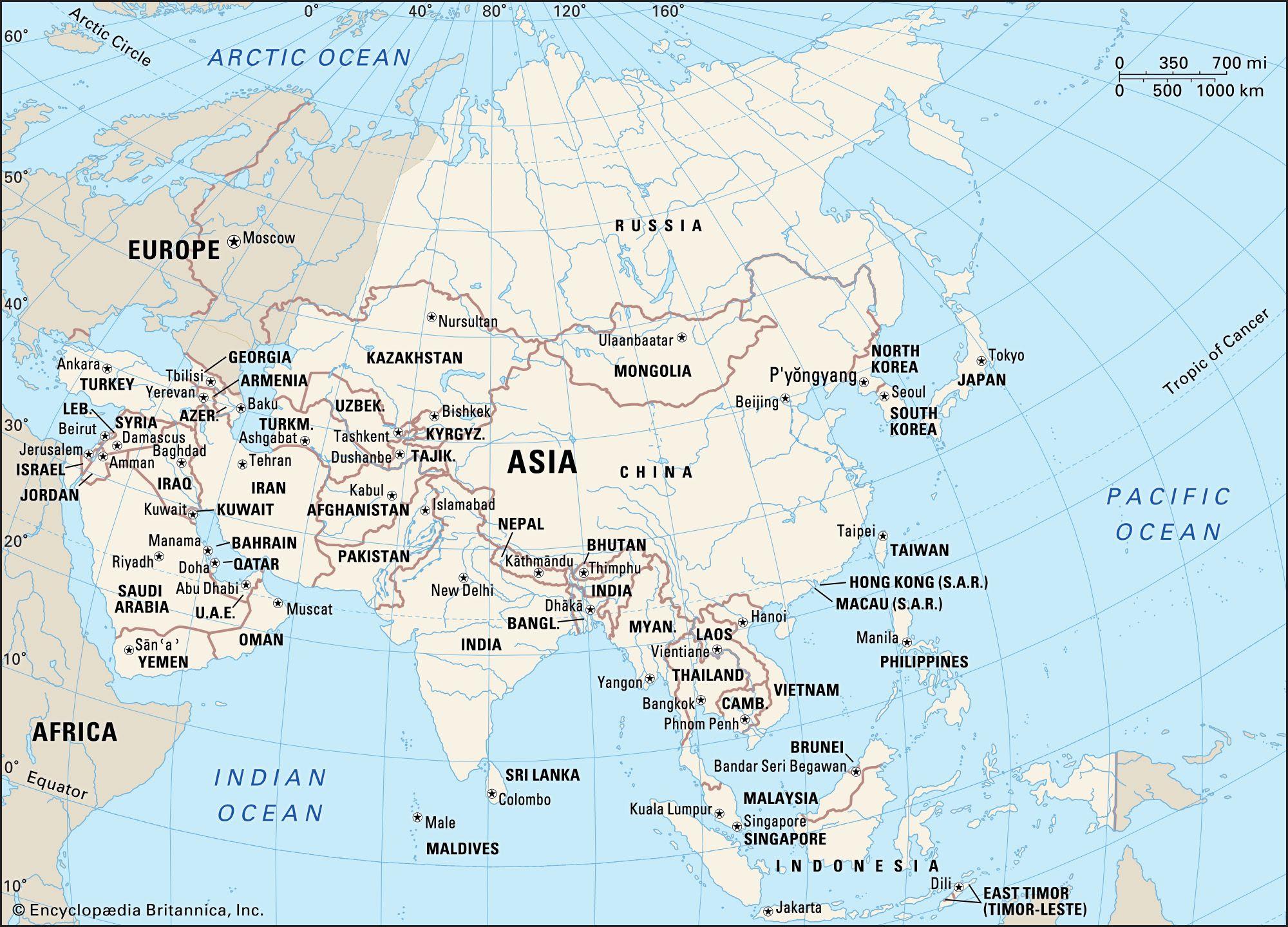
Asia, long recognized as the world’s manufacturing powerhouse for the fashion industry, now finds itself at a critical crossroads. As the global demand for apparel continues to surge, the environmental footprint of fashion production in the region has drawn increasing scrutiny. The urgent need for effective climate solutions has never been greater, with factories across Asia contributing significantly to carbon emissions, water pollution, and resource depletion. This article explores the challenges facing Asia’s fashion manufacturing hubs and underscores why sustainable practices and robust climate policies are essential to secure the future of the industry-and the planet.
Asia’s Dominance in Global Fashion Production Drives Environmental Challenges
Asia’s pivotal role as the hub for global fashion manufacturing has significantly boosted economies but brought mounting environmental strain. The relentless pace of production, particularly in countries like China, Bangladesh, and Vietnam, contributes to extensive water pollution, high carbon emissions, and waste accumulation. Textile dyeing alone accounts for nearly 20% of industrial water pollution worldwide. Despite increasing awareness, many factories still rely on outdated technologies and lax environmental regulations, making it challenging to reconcile economic growth with sustainable practices.
The fast fashion model exacerbates these challenges, with millions of garments produced annually to meet fleeting consumer trends. Key environmental impacts include:
- Excessive use of non-renewable energy sources driving CO2 levels higher
- Massive water consumption straining local supplies in already vulnerable regions
- Generation of textile waste that frequently ends up in landfills or oceans
| Country | Annual Textile Production (million tons) | Estimated Water Usage (billion liters) | CO2 Emissions (million tons) |
|---|---|---|---|
| China | 50 | 35 | 150 |
| Bangladesh | 15 | 10 | 45 |
| Vietnam | 12 | 8 | 30 |
Unlocking Sustainable Practices in Asia’s Textile and Garment Industries
Asia’s textile and garment sectors are at a pivotal crossroads, grappling with the urgent need to incorporate sustainable practices amid escalating climate concerns. The region, often dubbed the “world’s factory for fashion,” faces immense pressure to innovate processes that reduce carbon footprints and water consumption. Leading manufacturers are embracing circular economy models, investing in eco-friendly materials, and enhancing supply chain transparency to tackle environmental degradation effectively.
Key sustainable initiatives gaining traction include:
- Waterless dyeing technologies that drastically cut water usage.
- Renewable energy adoption across production facilities.
- Waste reduction programs to minimize fabric scraps and chemical runoff.
- Collaboration with international bodies to improve labor and environmental standards.
| Practice | Impact | Adoption Rate |
|---|---|---|
| Waterless Dyeing | Up to 90% water savings | Growing rapidly |
| Renewable Energy | Reduces CO2 emissions | Moderate |
| Waste Recycling | Less landfill waste | Increasing |
Policy Reforms and Innovation Key to Reducing Fashion’s Carbon Footprint in Asia
Amid increasing scrutiny over the environmental impact of Asia’s fashion manufacturing sector, industry leaders and policymakers are calling for comprehensive reforms and breakthrough innovations. Governments in key textile-producing countries are beginning to introduce more stringent regulations aimed at reducing carbon emissions and promoting sustainable production practices. These policy shifts emphasize incentives for adopting renewable energy, enforcing waste management protocols, and encouraging transparent supply chains that prioritize low-impact materials and circular economy models.
Innovation is also at the forefront of this transformation, with technology playing a decisive role in minimizing environmental harm. From waterless dyeing techniques to AI-driven demand forecasting that reduces overproduction, these advancements serve as vital tools for cutting the industry’s carbon footprint. Key areas of innovation include:
- Eco-friendly textile processing methods that reduce chemical waste
- Smart manufacturing utilizing automation and data analytics
- Biodegradable and recycled fibers replacing conventional materials
| Innovation | Impact | Adoption Rate (2023) |
|---|---|---|
| Waterless Dyeing | Reduces water usage by 90% | 35% |
| AI Demand Forecasting | Cut inventory waste by 25% | 40% |
| Biodegradable Fibers | Lower carbon emissions in production | 28% |
The Way Forward
As Asia continues to dominate global fashion manufacturing, the urgency for actionable climate solutions becomes increasingly critical. Industry leaders, policymakers, and consumers alike must collaborate to drive sustainable practices that address the environmental toll of fast fashion. Without decisive change, the region risks exacerbating climate vulnerabilities while compromising its economic resilience. The future of fashion-and the planet-depends on Asia stepping up as a responsible steward in the global supply chain.