

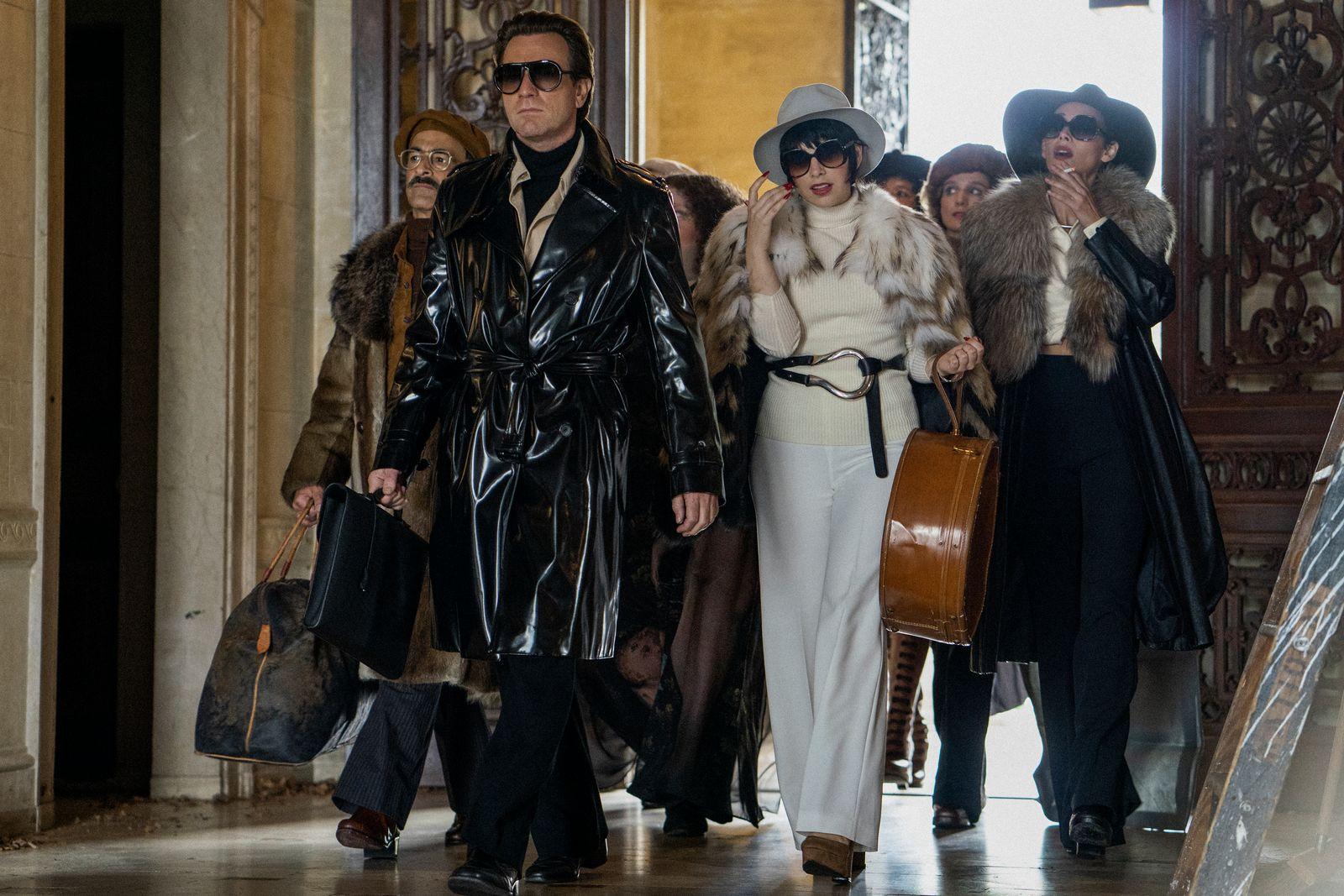
In the ever-evolving world of fashion, few names have left as indelible a mark as Halston. Revered for his minimalist elegance and pioneering use of new materials, Halston revolutionized American fashion in the 1970s and continues to inspire designers today. Tatler Asia delves into the enduring legacy of this iconic designer, exploring how his visionary approach reshaped style narratives and brought a fresh, modern sensibility to the global fashion landscape.
Halston’s Revolution in American Minimalism Redefining Elegance and Comfort
Halston transformed the American fashion landscape by championing a sleek, understated aesthetic that prioritized fluidity and wearability over extravagance. His designs embraced clean lines and luxurious fabrics, creating garments that celebrated the natural form without unnecessary embellishments. This approach challenged the prevailing fashion norms of the 1970s, fostering a new kind of elegance that was accessible yet aspirational. The result was a harmonious blend of simplicity and sophistication that continues to influence designers globally.
Key elements that defined Halston’s innovative style included:
- Bias-cut silhouettes that draped effortlessly, enhancing the wearer’s movement.
- Use of rich materials like ultrasuede and silk jersey, lending both comfort and visual appeal.
- A neutral color palette focusing on whites, blacks, and earth tones, reinforcing minimalism.
- Functional designs suitable for both day-to-night wear, reflecting modern lifestyles.
| Feature | Impact |
|---|---|
| Ultrasuede fabric | Softness enhanced wearability and luxury feel |
| Clean cuts | Emphasized natural body shape and comfort |
| Neutral tones | Timelessness and versatility in styling |
| Day-to-evening adaptability | Reflected evolving modern women’s wardrobe needs |
Pioneering Celebrity Influence Shaping Modern Fashion Marketing
Halston revolutionized the relationship between celebrity culture and fashion, creating an unprecedented blueprint for how star power could directly drive marketing and consumer appeal. The designer’s close ties to icons such as Liza Minnelli, Elton John, and Bianca Jagger didn’t just amplify his brand-they redefined the allure of fashion as a lifestyle statement. By dressing the who’s who of the era, Halston transformed garments into symbols of status and aspiration, effectively turning celebrities into walking billboards for modern elegance and effortless glamour.
Strategies that shaped the new paradigm included:
- Collaborative projects with influential entertainers, blurring lines between art and fashion
- Leveraging high-profile social scenes to debut collections and create buzz
- Utilizing casual yet sophisticated designs that matched the fast-paced lifestyle of celebrities
This fusion of fame and style not only accelerated Halston’s ascendancy during the ’70s but also laid foundational principles still employed in today’s fashion marketing landscape. The designer’s intuitive grasp of celebrity influence established a dynamic model where fashion labels could amplify reach and relevance by embedding themselves within popular culture, a concept that social media influencers now epitomize.
| Celebrity | Collaboration Impact | Signature Look |
|---|---|---|
| Liza Minnelli | Iconized theatrical glamour | Asymmetrical dresses with sequins |
| Bianca Jagger | Symbol of chic nightlife elegance | Sleek jumpsuits and tailored suits |
| Elton John | Amplified flamboyant fashion reach | Custom scarves and embellished jackets |
Timeless Designs and Fabric Innovation Recommendations for Contemporary Designers
At the heart of Halston’s enduring legacy lies a masterful blend of simplicity and sophistication. His approach to design was revolutionary in stripping away excess to reveal the elegance of clean lines and fluid silhouettes, setting a blueprint that contemporary designers continue to draw from. By focusing on garment architecture rather than ornate decoration, Halston created pieces that transcended fleeting trends, embodying a timeless appeal that adapts seamlessly across decades. This restrained yet bold design philosophy challenges modern creators to prioritize form and function, encouraging an embrace of minimalism as a pathway to luxury.
Halston’s experimentation with technologically advanced fabrics also paved the way for innovation within the industry. He championed materials such as ultra-fine jersey and ultrasuede, marrying comfort with haute couture in unprecedented ways. For today’s designers, exploring textile innovation is no longer optional but essential. Consider these strategies to integrate fabric advancements:
- Smart textiles: Incorporate moisture-wicking and temperature-regulating fabrics for enhanced wearability.
- Sustainable fibers: Opt for recycled or biodegradable materials that align with eco-conscious values.
- Hybrid fabrics: Blend natural and synthetic fibers for durability without sacrificing drape.
- Seamless construction: Leverage fabric technology that allows for zero-seam garments, increasing comfort and fit.
| Fabric Innovation | Benefit | Example in Practice |
|---|---|---|
| Ultrasuede | Soft texture, durability | Halston’s iconic evening dresses |
| Moisture-Wicking Jersey | Comfort and breathability | Modern athleisure collections |
| Recycled Polyester | Eco-friendly and resilient | Sustainable luxury brands |
Wrapping Up
Halston’s enduring legacy continues to influence the fashion world, embodying a timeless blend of minimalist elegance and modern sophistication. As highlighted in Tatler Asia’s exploration, his innovative approach not only redefined American fashion but also set new standards for luxury and accessibility. Decades after his rise to prominence, Halston remains a symbol of transformative creativity, proving that true style transcends time and trends.