

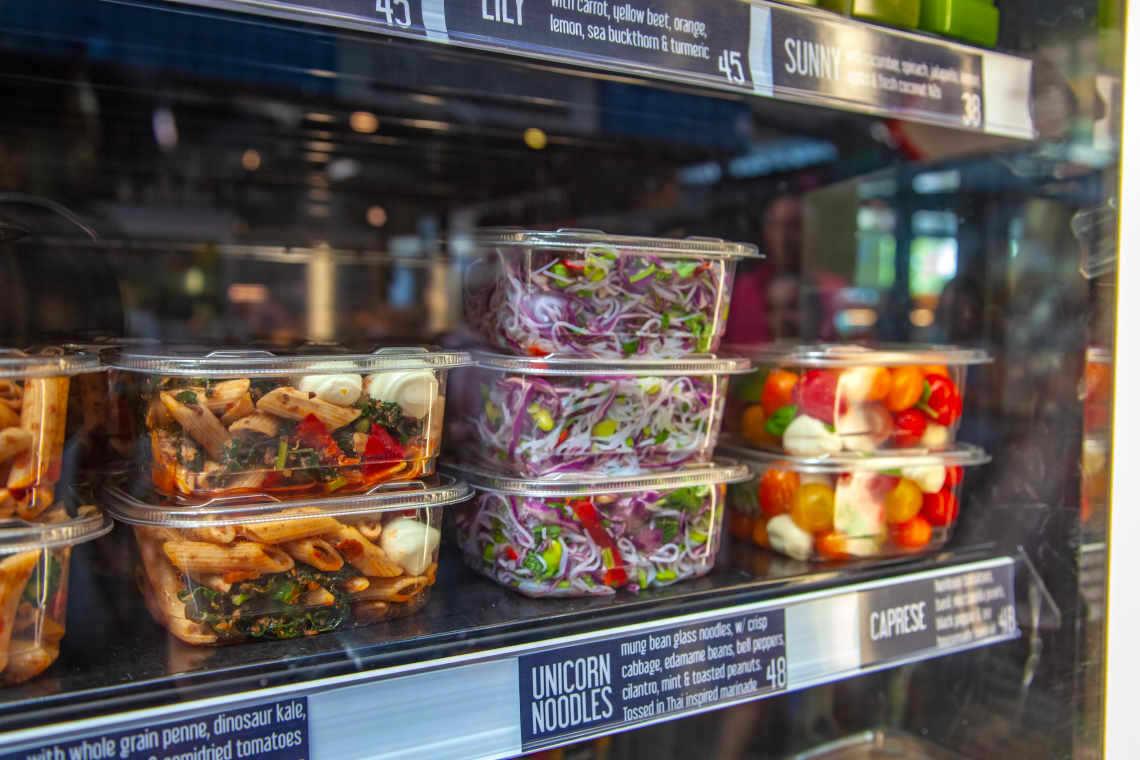
Ready-to-eat (RTE) foods are rapidly gaining traction across Asian grocery stores, driven by evolving consumer lifestyles and increasing demand for convenience. As busy urban populations seek quick meal solutions without compromising on taste and nutrition, retailers are expanding their RTE offerings, reshaping the region’s food landscape. This growing trend, highlighted in the latest report by Asia Food Beverages, underscores significant shifts in purchasing behavior and presents new opportunities for food manufacturers and suppliers aiming to capture a dynamic and fast-evolving market.
RTE Foods Drive Convenience and Innovation in Asian Grocery Markets
The rise of Ready-to-Eat (RTE) food products in Asian grocery markets signals a significant shift toward convenience-driven consumer behavior. Modern lifestyles, fueled by urbanization and increased workforce participation, have heightened the demand for quick and easy meal options without compromising on taste or nutritional value. These products offer a practical solution by blending traditional Asian flavors with innovative packaging and preservation techniques, making them ideal for busy individuals and families.
Retailers are leveraging this trend through a diverse range of RTE offerings, including:
- Single-serve meals and snacks catering to on-the-go consumption
- Frozen entrees utilizing authentic regional recipes
- Health-conscious options enriched with functional ingredients
This product category is also driving innovation in supply chain management and marketing strategies. For instance, enhanced cold chain logistics and smart labeling have enabled fresh, high-quality products to travel longer distances, expanding reach into suburban and rural areas. The appetite for RTE foods also encourages partnerships between traditional manufacturers and tech-savvy startups, creating a vibrant ecosystem that continuously adapts to evolving consumer preferences.
Consumer Preferences Shift Towards Ready to Eat Options in Urban Asia
Urban consumers across Asia are rapidly embracing ready-to-eat (RTE) food products as their preferred choice for quick and convenient meals. The fast-paced lifestyle prevalent in major cities such as Tokyo, Seoul, Bangkok, and Mumbai has fueled demand for options that save preparation time without compromising on taste or nutrition. Food manufacturers have responded by expanding their RTE portfolios to include diverse local and international cuisines, catering to varied taste preferences. Popular categories now include:
- Microwaveable meals featuring traditional Asian flavors
- Healthy snack packs tailored for on-the-go consumption
- Grab-and-go salads and fresh sandwich options
- Heat-and-eat noodle and rice bowls
Retailers are also adapting to this shift by dedicating more shelf space and enhancing refrigerated and frozen sections to maintain product freshness. Recent data illustrates a significant uptick in RTE food sales across various urban centers, driven by younger demographics and working professionals. A snapshot comparison of RTE food sales growth in selected Asian cities highlights this phenomenon:
| City | RTE Sales Growth (2023) | Percentage of Grocery Sales |
|---|---|---|
| Tokyo | 12.5% | 18% |
| Seoul | 15.3% | 22% |
| Bangkok | 20.1% | 25% |
| Mumbai | 17.8% | 20% |
These figures underscore the growing significance of ready-to-eat items as essential components of urban diets, signaling a lasting transformation in consumer habits across Asian grocery markets.
Retailers Urged to Expand Product Variety and Emphasize Quality Assurance
As the Ready-to-Eat (RTE) food market in Asia flourishes, experts highlight the crucial role retailers play in meeting consumers’ evolving tastes. Expanding the range of products to include regional specialties as well as internationally inspired options can captivate a broader audience. Asian grocery stores, in particular, are encouraged to diversify their selections beyond staples, incorporating organic, gluten-free, and plant-based RTE items that cater to growing health-conscious segments. Such variety not only drives foot traffic but also fosters customer loyalty among discerning shoppers seeking convenience without compromise.
Quality assurance remains a paramount concern amid rising demand. Retailers must invest in stringent quality control measures, including transparent sourcing practices and clear labeling. Emphasizing freshness, authentic flavors, and safety certifications helps build consumer trust in an increasingly competitive marketplace. Key strategies include:
- Partnering with reputable local and international suppliers
- Implementing regular product audits and customer feedback loops
- Highlighting certification marks such as HACCP, ISO, or organic labels prominently on packaging
| Retail Strategy | Potential Benefit |
|---|---|
| Broaden product spectrum | Captures diverse consumer base |
| Strict quality verification | Enhances brand credibility |
| Transparent labeling | Builds customer confidence |
In Summary
As ready-to-eat foods continue to carve out a significant share of the Asian grocery market, their rising popularity reflects broader shifts in consumer lifestyles and preferences across the region. With growing urbanization, busy schedules, and a penchant for convenience without compromising on flavor, RTE products are poised to become staples on store shelves. Industry experts anticipate that innovation and localization will drive further growth, ensuring that ready-to-eat foods remain a key focus for manufacturers and retailers alike in the evolving Asian food and beverage landscape.