

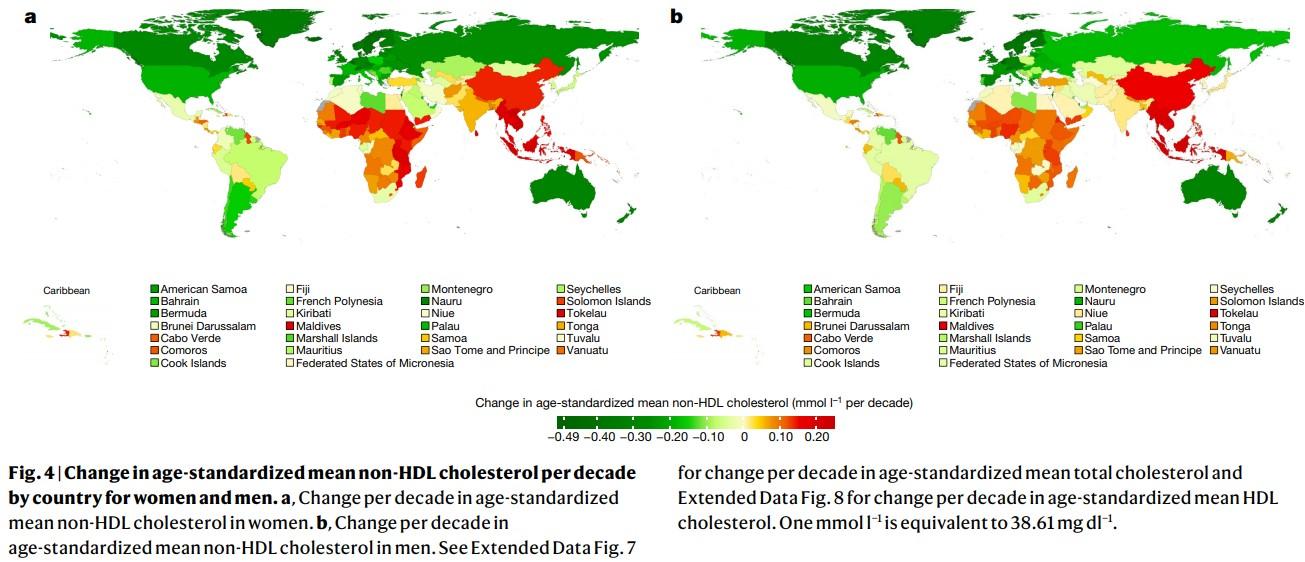
Asia leads the world in high cholesterol rates, posing serious health risks across the region. In a candid account shared with the South China Morning Post, one father reveals how he gave up meat to tackle his dangerously elevated cholesterol levels. His personal journey highlights growing concerns over diet and lifestyle in Asia, where changing eating habits are driving a surge in cardiovascular diseases. This article explores the regional cholesterol crisis and the steps individuals are taking to combat it.
Asia Faces Rising Cholesterol Crisis Driven by Dietary Habits
In recent years, Asia has witnessed an alarming surge in cholesterol-related health issues, deeply linked to changing dietary patterns. Traditional staples are increasingly being replaced by high-fat, processed foods rich in saturated fats, contributing heavily to elevated cholesterol levels among the population. Experts highlight that urbanization and a growing preference for Western-style fast food have intensified the public health challenge, with middle-aged adults and seniors particularly vulnerable.
Key dietary contributors identified include:
- Increased consumption of red meat and processed meats
- High intake of fried and fast-food items
- Reduced consumption of fiber-rich vegetables and whole grains
| Country | Average LDL Cholesterol (mg/dL) | Percentage of Population with High Cholesterol |
|---|---|---|
| China | 145 | 32% |
| India | 140 | 29% |
| South Korea | 150 | 35% |
| Japan | 135 | 28% |
A Father’s Journey to Combat High Cholesterol Through Meat-Free Living
Confronted with rising cholesterol levels, a father from Hong Kong decided to overhaul his diet by eliminating meat entirely. Inspired by alarming regional statistics showing Asia as one of the worst-hit continents for cholesterol-related illnesses, he embraced a plant-based lifestyle in hopes of reversing his health decline. Within weeks, routine blood tests revealed a notable decrease in his low-density lipoprotein (LDL) cholesterol, often labeled as “bad” cholesterol, while his overall energy and well-being significantly improved.
The transition to meat-free living was supported by a diverse menu centered on vegetables, legumes, and whole grains, proving both nutritious and satisfying. Key benefits reported included:
- Lower blood cholesterol without medication
- Improved heart health markers during medical checkups
- Weight management without feeling deprived
| Cholesterol Type | Before Diet | After 3 Months Meat-Free |
|---|---|---|
| LDL (Bad Cholesterol) | 160 mg/dL | 115 mg/dL |
| HDL (Good Cholesterol) | 40 mg/dL | 55 mg/dL |
| Total Cholesterol | 220 mg/dL | 170 mg/dL |
Experts Recommend Plant-Based Diets to Curb Cardiovascular Risks in the Region
Cardiologists and nutritionists across Asia are urging a shift towards plant-based eating as rising cholesterol levels continue to strain public health systems. Recent studies highlight that diets rich in vegetables, fruits, whole grains, and legumes contribute significantly to lowering low-density lipoprotein (LDL) cholesterol, the primary culprit behind heart disease. Experts emphasize that reducing or eliminating red meat consumption can reverse arterial plaque buildup, leading to improved cardiovascular outcomes.
Key recommendations for a heart-healthy diet include:
- Increasing intake of antioxidant-rich foods such as berries and leafy greens
- Choosing plant-based protein sources like tofu, lentils, and chickpeas
- Limiting processed and high-sodium foods
- Incorporating healthy fats from nuts, seeds, and avocados
- Prioritizing whole grains over refined carbohydrates
| Food Type | Cholesterol Impact | Suggested Frequency |
|---|---|---|
| Red Meat | Raises LDL Cholesterol | Limit to once a week |
| Leafy Greens | Reduces LDL Levels | Daily |
| Whole Grains | Improves Heart Health | Daily |
| Processed Foods | Increases Heart Disease Risk | Avoid |
In Summary
As Asia faces mounting challenges with rising cholesterol levels, personal stories like this father’s decision to give up meat highlight a growing awareness of lifestyle’s impact on health. While dietary changes alone may not solve the region’s complex cardiovascular issues, they represent a critical step towards reducing risks associated with high cholesterol. Continued public health efforts and education will be essential in addressing this silent epidemic across Asia.