

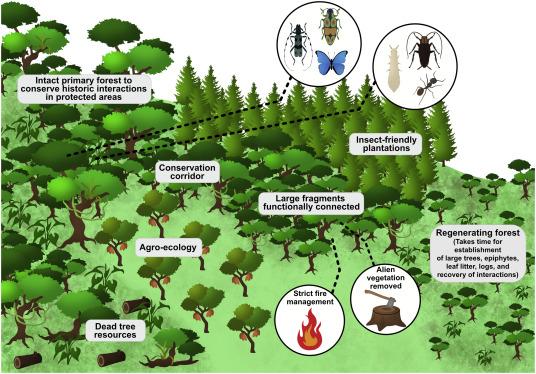
In the lush and diverse ecosystems of South-east Asia, insects play a pivotal role in maintaining ecological balance and supporting agriculture. Yet, conservation efforts in the region have largely focused on charismatic pollinators like bees and butterflies, often overlooking the vast array of lesser-known insect species facing mounting threats. As habitats shrink and environmental pressures intensify, experts warn that without broadening the scope of insect conservation, the region risks severe disruptions to its biodiversity and food security. This article delves into why South-east Asia must urgently expand its focus beyond the familiar buzz of bees and butterflies to safeguard its invaluable insect populations.
The Silent Crisis Facing South-east Asia’s Lesser-Known Insects
While charismatic pollinators like bees and butterflies often dominate conservation conversations, countless lesser-known insect species in South-east Asia are vanishing quietly. These creatures – ranging from minute beetles to elusive night-flying moths – perform vital ecological roles, including nutrient recycling and soil aeration, that underpin the health of tropical ecosystems. Yet habitat loss, pesticide overuse, and climate shifts are pushing many of these insects towards extinction without public or scientific attention. The lack of comprehensive data on these species further complicates efforts to devise effective conservation strategies.
Addressing this silent biodiversity crisis requires a multi-pronged approach. Conservationists urge governments and local communities to:
- Invest in research initiatives to map and monitor insect populations across varied habitats;
- Implement sustainable agriculture practices minimizing chemical use and promoting habitat corridors;
- Raise awareness on the ecological importance of all insects, beyond the familiar ones;
- Establish protected areas targeting hotspots for endemic and vulnerable insect species.
| Threat | Impact on Insect Species | Conservation Action |
|---|---|---|
| Deforestation | Loss of habitat leading to population decline | Reforestation and habitat protection |
| Pesticide use | Direct mortality and reproductive issues | Promotion of organic farming |
| Climate change | Altered phenology and range shifts | Long-term ecological monitoring |
| Urban expansion | Fragmentation of insect habitats | Creation of green corridors in urban areas |
Unlocking the Ecological and Economic Value of Diverse Insect Species
In Southeast Asia, the spotlight often shines on pollinators like bees and butterflies, yet the vast array of lesser-known insect species plays an equally crucial role in maintaining ecosystems and supporting economies. These insects contribute to nutrient cycling, soil aeration, and the natural control of pests, creating a delicate balance far beyond the typical pollination narrative. Protecting this rich biodiversity ensures the health of forests, wetlands, and agricultural landscapes, directly influencing food security and climate resilience across the region.
Unlocking the value of these insects means recognizing not only their ecological functions but also their potential benefits in medicine, agriculture, and sustainable industries. Southeast Asia’s diverse insect fauna offers untapped opportunities, including:
- Natural pest regulation: Predatory insects reduce the need for chemical pesticides.
- Bioprospecting: Discoveries of novel compounds for pharmaceuticals and bioinsecticides.
- Economic livelihoods: Sustainable harvesting of edible insects as alternative protein sources.
- Enhancing crop yields: Insects as key agents in soil fertility and pollination.
| Insect Group | Ecological Role | Economic Benefit |
|---|---|---|
| Ground Beetles | Predators of crop pests | Reduced pesticide costs |
| Termites | Soil nutrient recyclers | Improved soil fertility |
| Stick Insects | Food source for wildlife | Ecotourism appeal |
| Silkworms | Fiber producers | Textile industry |
Urgent Policy Shifts and Community Actions Needed to Safeguard Insect Biodiversity
Governments in South-east Asia must enact comprehensive policies targeting habitat preservation, pesticide regulation, and climate action to curb the rapid decline in insect populations. Current conservation efforts disproportionately focus on charismatic species like bees and butterflies, leaving the vast majority of insect biodiversity vulnerable. A holistic approach should mandate:
- Strict enforcement of pesticide usage limits to prevent ecological toxicity
- Establishment and expansion of protected areas specifically for insect habitats
- Integration of insect biodiversity metrics into national environmental impact assessments
- Promoting research funding for lesser-known insect species and their ecological roles
Community involvement is equally critical, as grassroots movements can amplify awareness and generate localized conservation gains. Indigenous knowledge and citizen science initiatives serve as valuable tools for monitoring insect health and mobilizing support. Educational campaigns must highlight the indispensable ecosystem services insects provide, such as nutrient cycling and natural pest control, to foster a sense of stewardship beyond pollinators.
| Community Action | Expected Impact |
|---|---|
| Urban insect-friendly gardens | Increase local biodiversity and create safe havens |
| Citizen insect monitoring apps | Data collection improving scientific knowledge |
| Workshops on pesticide alternatives | Reduction in harmful chemical dependence |
| School-based insect conservation programs | Long-term cultural shift towards preservation |
The Conclusion
As South-east Asia grapples with rapid urbanisation and environmental change, the urgency to expand insect conservation efforts beyond the well-known bees and butterflies has never been clearer. Protecting the region’s diverse and often overlooked insect populations is crucial not only for ecological balance but also for sustaining agriculture and livelihoods. As policymakers, scientists, and communities unite to address these challenges, the coming years will be critical in shaping a future where insects-and the vital roles they play-are preserved for generations to come.