

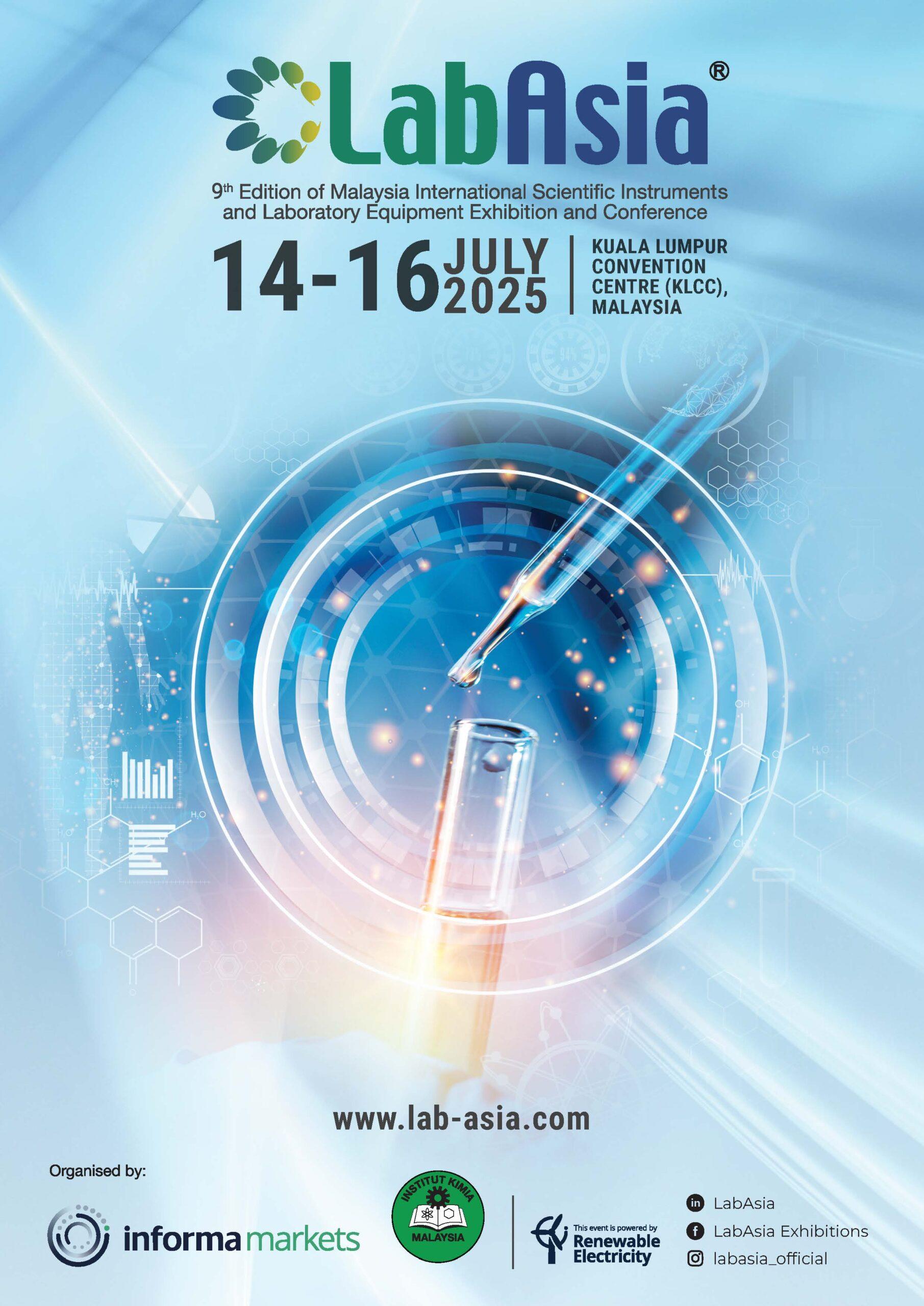
Macau is set to host LABASIA 2025, the premier scientific conference uniting researchers, innovators, and policymakers from across Southeast Asia to shape a greener and smarter future. The event aims to foster regional collaboration in addressing pressing environmental challenges through cutting-edge technology and sustainable solutions. As the region grapples with climate change and rapid urbanization, LABASIA 2025 promises to be a pivotal platform for advancing scientific dialogue and driving actionable change in Southeast Asia’s pursuit of sustainable development.
LABASIA 2025 Showcases Innovative Green Technologies Driving Sustainable Development in Southeast Asia
At the forefront of sustainable innovation, LABASIA 2025 has spotlighted a diverse range of groundbreaking green technologies that are set to transform Southeast Asia’s environmental landscape. Researchers and industry leaders gathered to unveil advancements in renewable energy, waste management, and eco-friendly urban development, showcasing solutions that balance economic growth with environmental stewardship. Notably, the event featured collaborations on solar microgrid systems designed to provide clean energy to remote communities and pioneering biodegradable materials aimed at reducing plastic pollution across the region’s burgeoning urban centers.
The exhibition also emphasized technology transfer and capacity-building among participating countries, promoting a unified approach to tackling climate challenges. Highlights included:
- Smart water management systems enhancing freshwater access and reducing waste.
- AI-driven agricultural technologies increasing crop yields while minimizing environmental impact.
- Low-carbon transportation networks integrating electric vehicles and improved mass transit solutions.
These innovations underscore the critical role of regional cooperation in driving sustainable development. The table below summarizes key sectors and their showcased technologies at LABASIA 2025:
| Sector | Highlighted Technology | Impact |
|---|---|---|
| Renewable Energy | Solar Microgrids | Energy access in remote areas |
| Waste Management | Biodegradable Packaging | Reduced plastic pollution |
| Water Resources | Smart Irrigation Systems | Water conservation |
| Transportation | Electric Public Transit | Lower carbon emissions |
Regional Scientists Collaborate to Address Climate Challenges Through Smart Solutions
Leading scientific minds from across Southeast Asia gathered at LABASIA 2025 to forge innovative strategies aimed at mitigating the region’s escalating climate challenges. Emphasizing smart technologies and cross-border knowledge exchange, the conference spotlighted breakthroughs in renewable energy integration, precision agriculture, and urban resilience planning. Experts highlighted the urgent need for collaborative frameworks that harness data-driven solutions to reduce carbon footprints while accelerating sustainable development goals.
The event showcased several key initiatives designed to propel the region towards a greener future, including:
- AI-powered climate modeling tools tailored for local ecosystems
- Community-based renewable microgrid projects
- Smart irrigation systems improving water efficiency
- Real-time environmental monitoring networks leveraging IoT devices
Below is a summary table of the primary focus areas discussed at LABASIA 2025:
| Focus Area | Innovative Approach | Regional Impact |
|---|---|---|
| Renewable Energy | Solar microgrids with AI optimization | Enhanced energy access in rural zones |
| Climate Modeling | Localized AI simulations | Improved disaster preparedness |
| Agriculture | Precision irrigation using IoT | Water conservation & crop yield boost |
Experts Call for Increased Funding and Policy Support to Accelerate Eco-Friendly Research Initiatives
Prominent researchers and environmental advocates at LABASIA 2025 emphasized the urgent need for bolstering financial resources and implementing forward-thinking policies to drive eco-friendly research across Southeast Asia. Their message resonated strongly amid growing concerns over climate change and resource depletion, highlighting how strategic investment can unlock breakthroughs in sustainable technologies, renewable energy, and circular economy solutions. Experts underscored that public and private sectors must collaborate to create a robust funding ecosystem that encourages innovation while ensuring equitable access to green advancements throughout the region.
Key recommendations presented during the conference included:
- Increased grant allocations targeted specifically at climate-smart projects
- Tax incentives and subsidies to encourage startups focusing on sustainability
- Policy frameworks facilitating cross-border research partnerships and knowledge sharing
- Investment in education and capacity building to nurture the next generation of eco-conscious scientists
To illustrate the potential impact of enhanced support, the following table compares projected research outputs and environmental benefits across different funding scenarios:
| Funding Level | Annual Eco-Research Projects | Estimated CO2 Reduction (tons) | Renewable Energy Innovations |
|---|---|---|---|
| Current | 120 | 500,000 | 15 |
| Moderate Increase | 220 | 1,200,000 | 38 |
| Significant Boost | 400 | 2,800,000 | 75 |
Key Takeaways
As LABASIA 2025 draws to a close, it leaves behind a reinforced sense of collaboration and innovation among Southeast Asia’s scientific community. The conference not only highlighted groundbreaking research and emerging technologies but also underscored the region’s shared commitment to building a greener, smarter future. With Macau positioned as a vibrant hub for knowledge exchange, the event sets the stage for continued partnerships and sustainable advancements across Southeast Asia, signaling a promising horizon for science and development in the years ahead.