

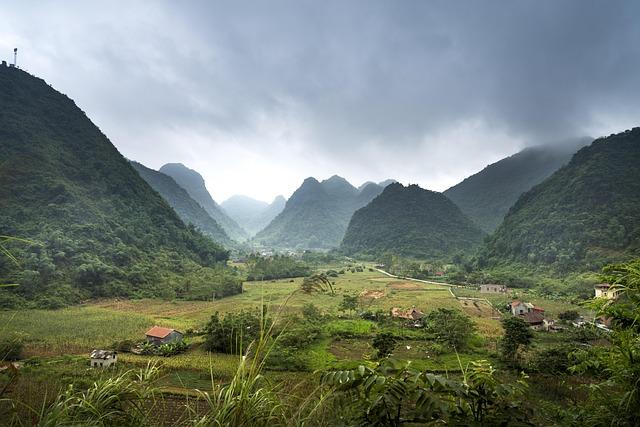
Vietnam is emerging as one of Asia’s most compelling experiential destinations, drawing travelers with a powerful blend of history, cuisine and rapidly evolving tourism infrastructure. From the frenetic energy of Hanoi’s Old Quarter to the lantern-lit streets of Hoi An and the dynamic riverfront of Ho Chi Minh City, the country offers an immersive journey shaped as much by its food as by its culture. Operators and agents report rising demand for itineraries that go beyond classic sightseeing to include hands-on cooking classes, market tours, family-run eateries and encounters with local communities. This cultural and culinary focus is reshaping how Vietnam is sold, packaged and experienced-turning each meal, market visit and neighborhood walk into a deeper exploration of the country’s identity.
Exploring Vietnams regional flavors from Hanoi street stalls to Mekong Delta markets
From the capital’s maze of alleyways to the river-laced south, travelers are discovering that Vietnam’s culinary map is as diverse as its geography. In Hanoi’s Old Quarter, the morning rush gathers around low plastic stools where vendors ladle steaming bowls of phở bò, their broths simmered overnight with charred ginger and star anise. Just a few steps away, the scent of sizzling fish and pungent dill marks a stall specializing in chả cá, while itinerant hawkers balance baskets of sticky rice, green rice flakes and still-warm bánh cốm. As day turns to dusk, the sidewalks transition into open-air dining rooms, illuminated by bare bulbs and crowded with visitors sampling smoky grilled pork skewers and crisp, beer-friendly snacks. Against this shifting backdrop, operators report rising demand for curated street-food walks that decode local etiquette, regional terminology and the stories behind each dish.
- Hanoi: Broth-based dishes, fresh herbs, charcoal grilling
- Hue & Central Coast: Royal recipes, complex broths, rice cakes
- Saigon & Mekong Delta: Coconut-rich curries, tropical produce, bold sweets
| Region | Signature Dish | Key Flavor Note |
|---|---|---|
| North | Phở | Clear, delicate broth |
| Central | Bún bò Huế | Spicy, lemongrass heat |
| South | Cá kho tộ | Caramelized sweetness |
Farther south, river life dictates the menu. In the Mekong Delta’s floating markets, travelers rise before sunrise to witness vendors trading pineapples, pomelos and bundles of fragrant rice noodles from boat to boat. Breakfast might arrive as a bowl of bún cá balanced precariously on the edge of a wooden skiff, followed by sips of thick iced coffee sweetened with condensed milk. Onshore, cooking classes highlight how coconut milk, palm sugar and freshwater fish shape the region’s identity, with chefs demonstrating clay-pot caramelization techniques and the subtle use of …lemongrass, turmeric and local herbs to balance the natural sweetness of southern produce. Visitors are often surprised at how the same core ingredients-rice, fish sauce, fresh herbs-are interpreted so differently from Hanoi to the Mekong, turning a north‑to‑south itinerary into a progressive tasting menu of Vietnam’s landscapes and histories.
If you’d like, I can:
– tighten this into a shorter article,
– expand it into a full feature with headings,
– or adapt it for a tour brochure, blog post, or social media caption.
Inside Vietnams cultural heart homestays craft workshops and community led tours
Behind Hanoi’s French-colonial facades and Hue’s imperial walls, a quieter transformation is taking place in alleyway homes and riverside villages where locals are inviting travellers to sleep, cook and learn alongside them. In the Red River Delta, families are converting centuries-old wooden houses into intimate lodgings that double as living museums, complete with ancestral altars and lacquered rice chests. Guests are drawn into daily routines through activities such as morning market runs and twilight rice-wine tastings, while artisans open their courtyards as open-air studios. Operators say demand is growing for experiences that foreground local ownership, with itineraries increasingly built around:
- Rural homestays hosted by multi-generational families
- Hands-on craft sessions in silk weaving, pottery and bamboo work
- Guided walks that interpret village history and spiritual sites
- Seasonal food rituals from rice harvest feasts to Tet preparations
| Region | Signature Craft | Community Experience |
|---|---|---|
| Hanoi outskirts | Lacquer & ceramics | Village studio trail |
| Hoi An | Tailoring & lanterns | Lantern-making night class |
| Mekong Delta | Coconut craft | Canal-side homestay & workshop |
In central Vietnam, cooperative-style initiatives are setting the pace. Former farmers in Thanh Ha and Kim Bong now split their time between tending fields and teaching visitors how to throw clay or carve boats, while women’s groups in ethnic minority communities farther north guide textile workshops that help revive near-lost motifs. Tour operators partnering with these networks report measurable benefits, from reduced urban migration to new scholarships funded by tour revenue. Industry observers note that this grassroots model is reshaping product design: itineraries highlight community-led tours over coach excursions, prioritise smaller group sizes, and embed clear contributions to locally run funds, signalling a shift from passive sightseeing to participatory storytelling across Vietnam’s cultural heartlands.
In Conclusion
As Vietnam continues to balance rapid development with the preservation of its rich heritage, journeys like this underscore the country’s enduring appeal to culturally curious and gastronomically driven travelers. From the frenetic markets of Ho Chi Minh City to the lantern-lit alleys of Hoi An and the quiet rice terraces of the north, the experiences on offer go far beyond postcard views and headline dishes.
For travel advisors and operators, the opportunity lies in curating itineraries that move past surface-level sightseeing to foster real connection-through home-hosted meals, hands-on cooking classes, and encounters with local artisans and community leaders. As demand grows for meaningful, experience-led travel across Asia, Vietnam’s blend of depth, diversity and accessibility positions it firmly at the forefront of immersive cultural and culinary tourism.