

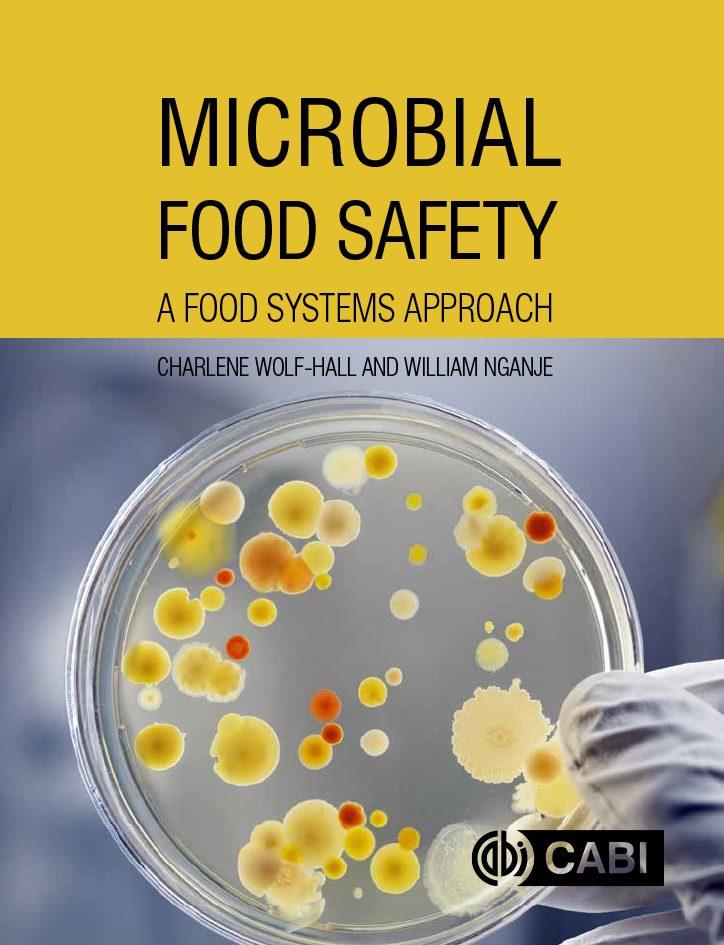
As Asia’s food industry continues to expand and evolve, ensuring microbial safety across the entire food chain has never been more critical. From farm to fork, the seamless transfer of safety protocols-often described as “passing the baton”-is key to preventing contamination and protecting public health. In this report for Asia Food Journal, we delve into the latest strategies, regulatory frameworks, and technological advancements aimed at safeguarding consumers against microbial hazards, shining a spotlight on the collaborative efforts shaping a safer, more resilient food supply in the region.
Ensuring Microbial Safety from Farm to Fork: Critical Control Points in Asia’s Food Chain
In the complex landscape of Asia’s food supply chain, mitigating microbial hazards demands precise intervention at multiple critical control points (CCPs). From initial soil preparation to the moment food reaches consumers’ plates, each stage holds unique challenges. Farmers implement biosecure practices such as crop rotation and safe irrigation to reduce contamination risks, while processors employ rigorous sanitation protocols and rapid microbial testing to ensure product safety. Transport and storage further demand strict temperature control and hygiene to prevent microbial growth, especially given the region’s diverse climatic conditions.
The following overview highlights key intervention points:
- Pre-harvest: Soil treatment, water quality monitoring, and pest management
- Harvest: Worker hygiene, equipment sterilization, and timely processing
- Post-harvest handling: Cold chain maintenance, packaging integrity, and contamination screening
- Distribution: Transport sanitation, humidity control, and traceability systems
- Retail and consumption: Storage, food preparation hygiene, and consumer awareness
| Stage | Microbial Risk | Control Measure |
|---|---|---|
| Farm | Soil-borne pathogens | Regular soil testing & organic amendments |
| Processing | Cross-contamination | Sanitation and equipment sterilization |
| Storage | Fungal growth | Temperature and humidity controls |
| Distribution | Pathogen proliferation | Sanitized transport and traceability |
Innovative Technologies and Practices Enhancing Foodborne Pathogen Detection
Advances in molecular diagnostics and biosensor technology have revolutionized the detection of foodborne pathogens, offering unprecedented speed and accuracy. Techniques such as real-time PCR, next-generation sequencing (NGS), and are allowing food safety professionals to identify contamination at the genetic level within hours rather than days. These methods not only reduce turnaround time but also minimize false positives, enhancing consumer protection without compromising supply chain efficiency. Additionally, smartphone-integrated biosensors and portable testing kits enable on-site analysis, empowering stakeholders from farm to table to act swiftly when risks are detected.
- AI and Machine Learning: Predictive analytics optimize sampling strategies and anticipate outbreak trends.
- Blockchain Integration: Assures traceability and transparency, linking pathogen data to product origin instantly.
- Nanotechnology: Enhances sensitivity of detection systems allowing trace-level pathogen identification.
| Technology | Key Benefit | Current Applications |
|---|---|---|
| Real-Time PCR | Rapid & accurate DNA-based detection | Routine screening in processing plants |
| CRISPR Assays | Highly specific pathogen identification | Field testing & outbreak source tracking |
| AI Analytics | Improved risk prediction | Predictive quality control in supply chains |
Strengthening Regulatory Frameworks and Industry Collaboration for Safer Food Supply
Enhancing regulatory oversight is pivotal in today’s rapidly evolving food landscape, especially in Asia where supply chains span numerous countries and diverse production systems. Governments and regulatory bodies are intensifying efforts to harmonize food safety standards, streamline inspection protocols, and leverage cutting-edge technologies such as blockchain for traceability. This multi-layered approach fortifies early detection of microbial hazards and enforces compliance, ensuring each stakeholder in the food chain shoulders shared responsibility for consumer safety.
Equally important is fostering industry collaboration through public-private partnerships and cross-sectoral alliances. Food producers, processors, retailers, and technology providers are working hand-in-hand to exchange data, standardize best practices, and co-develop innovative antimicrobial interventions. The synergy created not only accelerates contamination response times but also builds resilience against emerging microbial threats.
- Unified microbial testing protocols across borders
- Real-time data sharing platforms for outbreak management
- Joint training programs on hygiene and risk mitigation
| Collaborative Initiative | Key Focus | Impact |
|---|---|---|
| Asia Microbial Safety Network | Standardizing testing methods | Reduced cross-border contamination |
| Food Chain Traceability Project | Blockchain implementation | Enhanced supply chain transparency |
| Joint Industry Hygiene Workshops | Skills and knowledge sharing | Improved pathogen control practices |
Insights and Conclusions
As Asia’s food industry continues to evolve amidst growing consumer awareness and regulatory scrutiny, safeguarding microbial safety remains a critical priority across the entire food chain. From farm to fork, stakeholders must collaborate to ensure that best practices, advanced technologies, and stringent standards are consistently applied. Only through a concerted effort can the region hope to minimize contamination risks, protect public health, and maintain consumer confidence in its diverse and dynamic food supply. Staying vigilant and proactive will be essential as Asia passes the baton to the next generation of food safety leaders.