

Fashion Greenwashing: A Deceptive Trend Undermining Genuine Sustainability Efforts
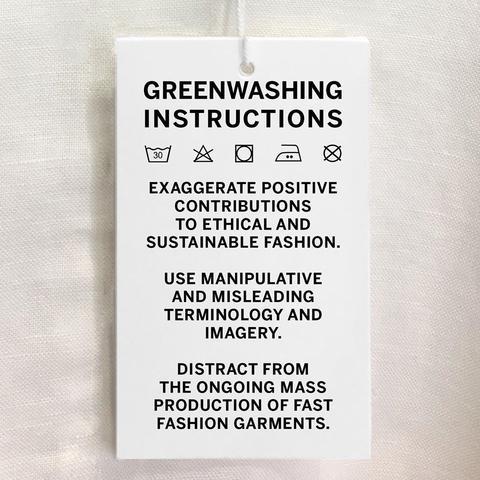
As consumers grow increasingly concerned about the environmental impact of their purchases, the fashion industry has responded with a surge in “sustainable” and “eco-friendly” product lines. However, beneath this green veneer lies a troubling reality: greenwashing. This deceptive marketing practice, where brands exaggerate or falsify their environmental credentials, is becoming alarmingly prevalent in fashion. While it aims to capitalize on the demand for sustainability, greenwashing ultimately misleads shoppers and stalls meaningful progress toward a truly eco-conscious industry. This article delves into how fashion greenwashing operates, its impact on consumers and the environment, and what can be done to promote transparency and accountability in sustainable fashion.
Understanding Fashion Greenwashing How Brands Mislead Consumers on Sustainability
In recent years, fashion brands have increasingly capitalized on consumers’ growing environmental awareness by promoting sustainability claims. However, many of these assertions are little more than greenwashing tactics designed to cloak environmentally harmful practices behind a veneer of responsibility. This deceptive trend misleads shoppers into believing that certain products or collections are eco-friendly, while the reality often tells a different story. Brands may highlight recyclable packaging or organic textiles but neglect the larger picture – such as exploitative labor conditions, excessive water usage, or carbon-intensive supply chains. As a result, consumers are left with a false sense of contribution to a greener future, while the industry’s ecological footprint remains largely unchanged.
Understanding the common strategies used in fashion greenwashing is key to discerning genuine sustainability from superficial marketing. These tactics include:
- Vague or unverified claims: Terms like “eco-friendly” or “green” without third-party certification
- Selective disclosure: Emphasizing one positive aspect while ignoring other damaging factors
- Misleading imagery: Using nature-themed visuals to imply environmental stewardship
- Overstating minor improvements: Presenting small-scale recycling programs as major sustainability efforts
To illustrate, the table below compares typical greenwashing phrases with what they often hide beneath the surface:
| Greenwashing Phrase | Common Reality |
|---|---|
| “Made from organic cotton” | Only 5% of the collection uses organic materials |
| “Sustainable packaging” | Packaging is recyclable but overall product is bulky and wasteful |
| “Carbon neutral shipping” | Offsets purchased but emissions remain high due to global supply chains |
| “Ethically sourced” | Limited supplier audits, no transparency on labor practices |
The Environmental and Social Impact of Deceptive Eco-Friendly Claims in the Fashion Industry
Misleading eco-friendly claims have sparked significant environmental consequences. Brands often mask the true footprint of their products by emphasizing minor sustainable features while ignoring broader issues such as excessive water consumption, pesticide use, and waste generation. This practice leads to increased consumer confusion and a false sense of progress, undermining genuine sustainability efforts. Critics argue that such deceptive marketing tactics result in overproduction and overconsumption, intensifying pollution and resource depletion, rather than mitigating them.
Beyond the environmental damage, social repercussions are stark and unforgiving. Workers in supply chains frequently face exploitative conditions, which remain hidden beneath the greenwashed narratives. Communities near production sites endure pollution and poor health outcomes, yet the glossy sustainability reports rarely capture these realities. The table below outlines common discrepancies found in greenwashed fashion products:
| Claim | Reality | Impact |
|---|---|---|
| Organic Cotton Label | Only 10% organic fibers in fabric | Continued pesticide use |
| Carbon Neutral Badge | Offset by minimal tree planting | Unchanged emission levels |
| Recycled Content Highlight | Blend includes virgin plastics | Plastic waste persists |
- Greenwashing fosters consumer mistrust and skepticism
- Undermines the efforts of truly sustainable brands
- Delays critical policy reforms aimed at environmental justice
Strategies for Consumers and Regulators to Combat Fashion Greenwashing and Promote True Sustainability
Consumers hold immense power in steering the fashion industry toward genuine sustainability. By adopting a more critical eye on product labels and marketing claims, shoppers can demand transparency and accountability. Simple actions such as researching brands, opting for certifications like GOTS or Fair Trade, and supporting local or second-hand markets disrupt the allure of greenwashing. Additionally, embracing a minimalist wardrobe and prioritizing quality over quantity reduces environmental impact and challenges the fast-fashion model that thrives on deception.
Regulators must strengthen frameworks to close loopholes exploited by brands employing greenwashing tactics. Implementing clear, standardized definitions of sustainable claims, along with rigorous verification processes, will prevent misleading advertisements from reaching consumers. Below is a concise overview of regulatory measures that can fortify the fight against false sustainability claims:
| Regulatory Action | Purpose | Impact |
|---|---|---|
| Mandatory Labeling | Ensure product origin and materials transparency | Increases consumer trust |
| Third-Party Audits | Verify sustainability claims | Reduces false advertising |
| Penalties for Greenwashing | Deter deceptive marketing | Encourages ethical practices |
| Public Awareness Campaigns | Educate on sustainable consumption | Empowers informed choices |
- Both consumers and regulators benefit from collaboration; shared responsibility accelerates the transition towards an ethical fashion ecosystem.
- Continuous monitoring and adaptation of guidelines are essential as fashion innovation evolves.
In Retrospect
As consumers become increasingly aware of the environmental impact of their choices, the fashion industry’s greenwashing tactics risk eroding trust and undermining genuine sustainability efforts. While some brands capitalize on eco-friendly language and imagery, the lack of transparency and accountability remains a significant challenge. Moving forward, experts urge clearer regulations and more rigorous standards to ensure that claims of sustainability are substantiated rather than superficial. Only through collective vigilance-from companies, regulators, and consumers alike-can greenwashing be effectively addressed and true progress achieved in ethical fashion.