

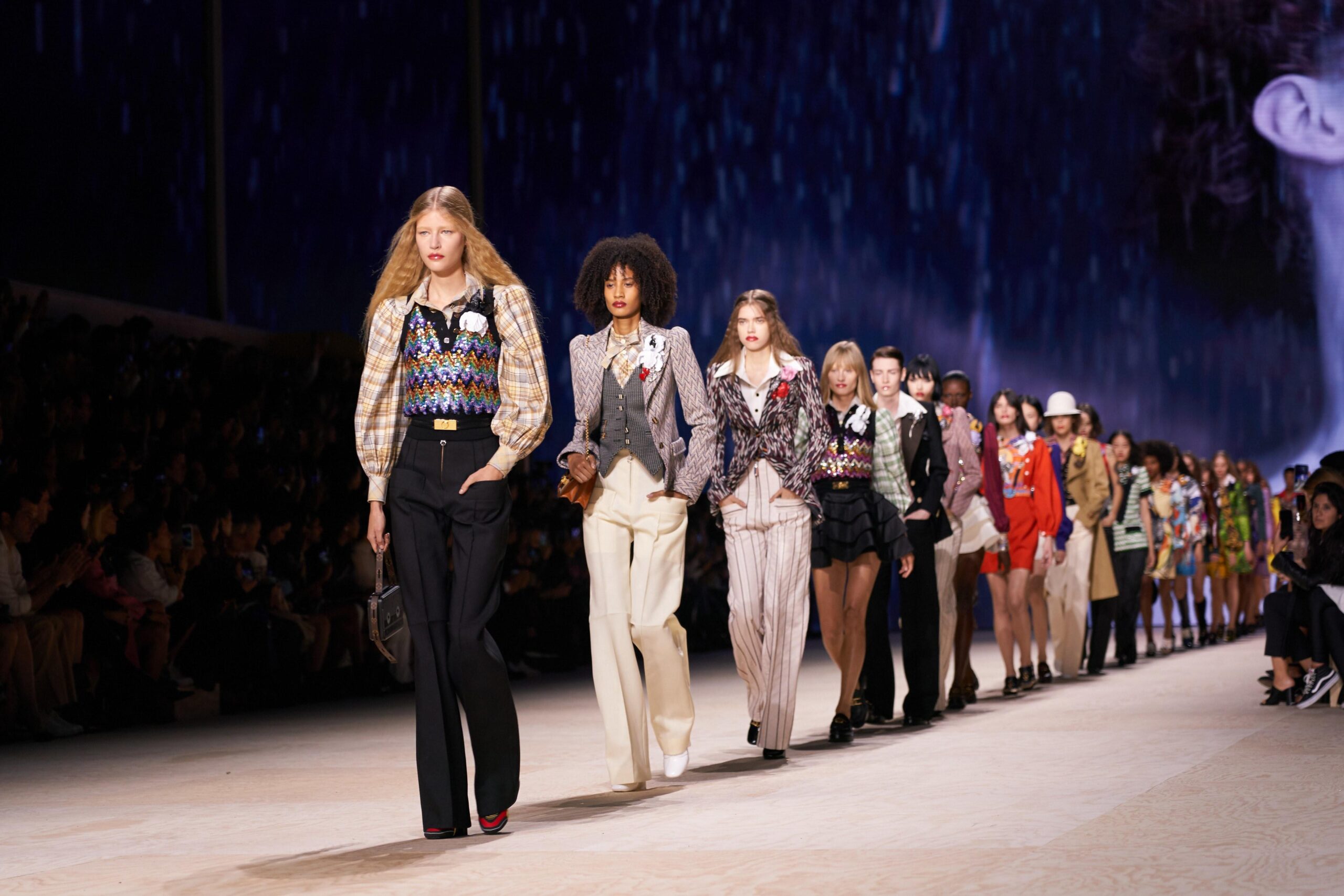
KARACHI – The vibrant city of Karachi recently played host to the much-anticipated “Asia Album” fashion show, showcasing a stunning array of designs that underscore Pakistan’s growing influence in the regional fashion industry. Organized to celebrate the rich cultural heritage and contemporary trends across Asia, the event brought together leading designers, models, and fashion enthusiasts, highlighting the creative spirit and innovative craftsmanship flourishing in Pakistan. This report presents the key moments and standout performances from the show, offering a glimpse into the dynamic landscape of Asian fashion as seen through Karachi’s lens.
Karachi Fashion Week Showcases Fusion of Traditional and Modern Styles
The event served as a dynamic platform where designers boldly bridged the gap between heritage and contemporary aesthetics. Vibrant textiles traditionally associated with Pakistani culture were seamlessly integrated with modern cuts and silhouettes, appealing to both local and international audiences. Highlights included intricately embroidered sherwanis paired with sleek trousers and asymmetrical dresses layered with classic dupattas, symbolizing a fresh narrative in South Asian fashion. Noteworthy was the innovative use of sustainable materials, reflecting a growing global consciousness among the fashion community in Karachi.
Audience members were particularly impressed by the diversity showcased on the runway. Models donned styles ranging from classic block-printed fabrics and handwoven silks to avant-garde digital prints and minimalist tailoring. This eclectic mix underscores the evolving fashion landscape in Pakistan, where creativity meets tradition in a celebration of cultural identity. The following table highlights some key designers and their signature styles presented at the show:
| Designer | Signature Style | Highlight Piece |
|---|---|---|
| Fatima Sana Shaikh | Traditional embroidery with modern silhouettes | Elegant embroidered kaftan gown |
| Arsalan Iqbal | Bold prints with tailored cuts | Asymmetrical printed jacket |
| Misha Lakhani | Minimalist designs with cultural motifs | Monochrome silk sari-inspired dress |
- Seamless fusion of handcraft techniques and contemporary trends
- Emerging designers gaining international attention
- Focus on sustainability through eco-friendly fabric choices
- Inclusive representation highlighting diverse Pakistani identities
Designers Emphasize Sustainability with Eco-Friendly Fabrics and Techniques
At the heart of Karachi’s latest fashion showcase, local designers are championing a green revolution by integrating eco-conscious materials and methods into their collections. Organic cotton, bamboo fibers, and hemp fabrics dominated the runway, reflecting a shift towards reducing environmental impact without compromising style. Each garment told a story of responsible sourcing, with many designers opting for natural dyes and low-water techniques to minimize waste and pollution.
The emphasis on sustainability went beyond fabrics, extending to innovative production processes that prioritize longevity and recyclability. Traditional handloom techniques were revived and fused with modern sustainable practices, creating unique textures and patterns that pay homage to Pakistan’s rich textile heritage. Below is a snapshot of the key eco-friendly fabrics and techniques highlighted during the show:
| Fabric | Technique | Environmental Benefit |
|---|---|---|
| Organic Cotton | Hand-spun weaving | Reduces pesticide use |
| Bamboo Fiber | Natural dyeing | Biodegradable and water-efficient |
| Hemp | Low-impact processing | Enhances soil health |
| Tencel | Closed-loop production | Minimal water waste |
Experts Recommend Investing in Local Artisans to Boost Pakistan’s Fashion Industry
Fashion industry experts gathered at the recent Karachi event emphasized the pivotal role local artisans play in shaping Pakistan’s sartorial identity. Their unparalleled craftsmanship, rooted in generations of tradition, injects authenticity and uniqueness into contemporary collections, making Pakistani fashion globally distinctive. These specialists advocate for increased investment in artisan communities, from providing advanced training to facilitating access to modern markets, ensuring that their skills receive the recognition and economic benefits they deserve.
Such initiatives not only preserve cultural heritage but also stimulate economic growth through job creation and export potential. Stakeholders suggested a multi-pronged approach to empower artisans, including:
- Micro-finance programs tailored for small-scale craftsmanship ventures
- Collaborative platforms linking designers with local talent
- Government incentives promoting traditional textiles and embroidery
- Workshops and educational campaigns to revive endangered art forms
| Focus Area | Benefit | Projected Impact |
|---|---|---|
| Training Programs | Skill enhancement | Increased design innovation |
| Financial Support | Business growth | Higher artisan incomes |
| Market Linkages | Global reach | Expansion of export market |
| Cultural Preservation | Heritage conservation | Long-term industry sustainability |
Insights and Conclusions
As Karachi continues to establish itself as a vibrant hub for contemporary fashion, the Asia Album event once again showcased the city’s dynamic blend of tradition and modernity. With designers pushing creative boundaries and models bringing diverse aesthetics to the runway, the fashion show not only celebrated Pakistan’s rich cultural heritage but also highlighted its emerging role on the global fashion stage. As the curtains close on this year’s event, industry insiders and enthusiasts alike look forward to witnessing Karachi’s evolving influence in the world of fashion.