

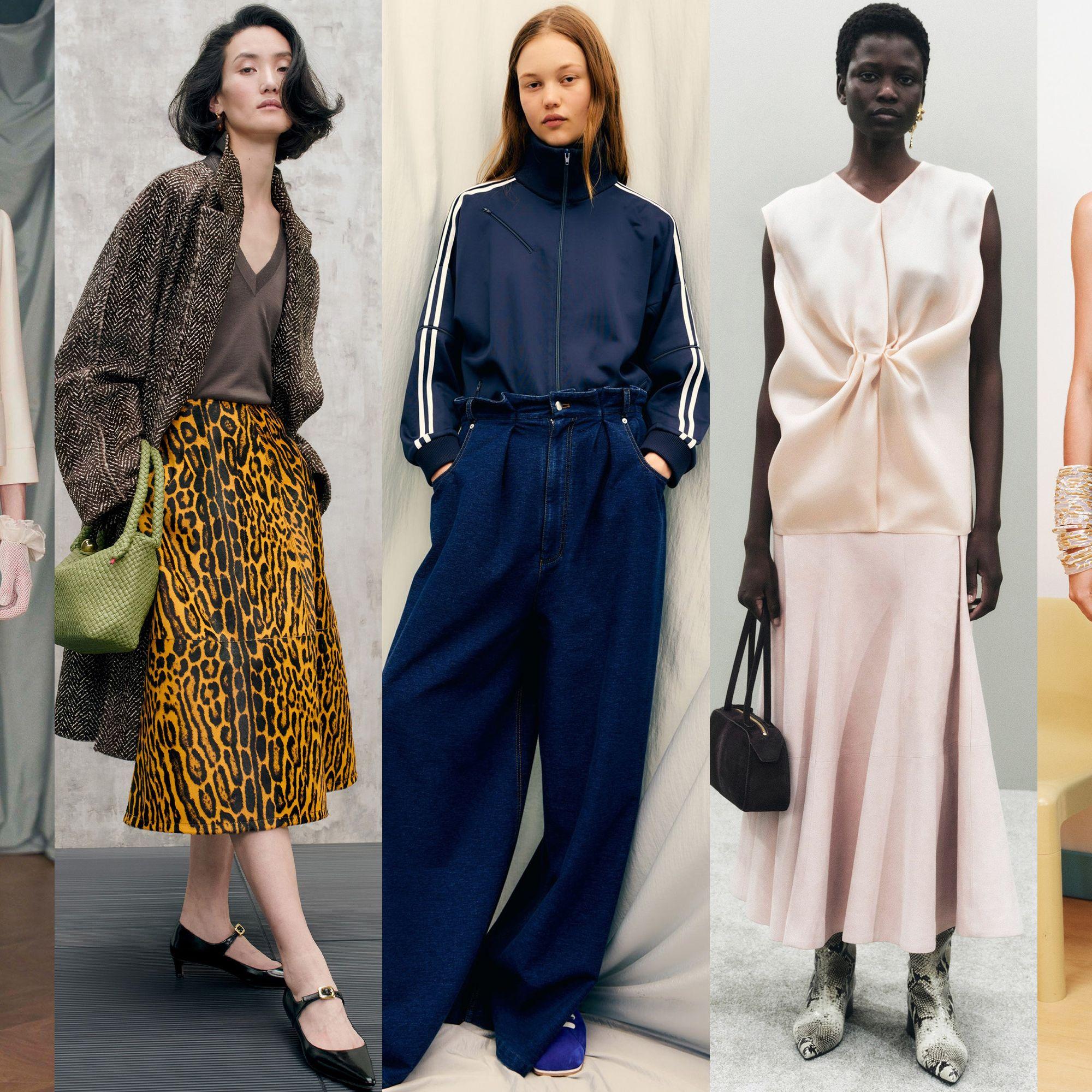
As the fashion world looks ahead to 2025, industry insiders and style innovators are already shaping the trends set to define the year. Tatler Asia’s latest forecast offers an exclusive glimpse into the evolving aesthetics, key influences, and emerging movements poised to dominate wardrobes across the region and beyond. From groundbreaking sustainable materials to the fusion of technology and design, this comprehensive overview reveals how culture, creativity, and consumer consciousness will converge to rewrite the rules of fashion in 2025.
Emerging Fabrics and Sustainability Innovations Shaping Wardrobes
In 2025, the fashion industry continues to pivot towards innovative materials that marry style with sustainability, redefining what it means to dress consciously. Bio-engineered fabrics derived from algae and mycelium are gaining momentum, offering biodegradable alternatives that reduce environmental impact without compromising on aesthetics. These materials boast unique textures and durability, appealing to designers eager to push creative boundaries while aligning with eco-aware consumers. Alongside these cutting-edge textiles, recycled fibers from ocean plastics and post-consumer waste are now being seamlessly integrated into high-end collections, marking a significant shift from niche experimentation to mainstream adoption.
Beyond materials, technology-driven innovation is accelerating sustainability in wardrobes through smart fabric treatments that minimize water consumption and energy use in production. The rise of closed-loop manufacturing systems allows brands to reclaim and repurpose fabric scraps, drastically limiting waste. Notably, several leading fashion houses have unveiled partnerships with startups specializing in regenerative agriculture, ensuring the raw fibers themselves-such as organic cotton and hemp-are cultivated with soil health and carbon capture in mind. This multi-front approach exemplifies a powerful trend: fashion’s urgent commitment to closing the loop and fostering a circular economy.
- Algae-based textiles: Lightweight, biodegradable, UV-resistant
- Mycelium leather: Vegan, compostable, versatile
- Recycled ocean plastics: Durable, moisture-wicking, eco-conscious
- Smart fabric treatments: Waterless dyeing, energy-efficient finishing
- Regenerative agriculture fibers: Organic, carbon-sequestering, pesticide-free
| Fabric Innovation | Environmental Benefit | Key Feature |
|---|---|---|
| Algae-based Textile | Biodegradable, Low Carbon | It looks like your table’s last cell (Key Feature for Algae-based Textile) is incomplete. Here’s a suggested completion for that cell, along with a clean version of the entire table row for clarity: |
| Algae-based Textile | Biodegradable, Low Carbon | Lightweight, UV-resistant, Unique texture |
| Color Palette | Designer Highlights | Street Style Appeal |
|---|---|---|
| Electric Cobalt & Sage Green | Balmain, Acne Studios | Layering vibrant jackets with casual basics |
| Neo-Mint & Ice Blue | Prada, Balenciaga | Tech-inspired accessories with monochrome outfits |
| Sunset Yellow & Coral Red | Marni, Jacquemus | Statement dresses paired with minimalist sneakers |
| Organic Beige & Mocha Brown | Max Mara, The Row | Textured neutrals in layering and outerwear |
Styling Tips for Integrating Futuristic Trends into Everyday Wear
Embracing futuristic trends doesn’t mean overhauling your entire wardrobe overnight. The key lies in subtle integrations that elevate everyday outfits with a forward-thinking edge. Start by incorporating metallic accessories-think sleek silver belts, iridescent handbags, or chrome-finished sneakers. Pair these with minimalist monochrome outfits to let the futuristic accents take center stage. Another clever approach is layering functional tech-inspired pieces such as structured crop jackets or geometric totes made from innovative, sustainable materials. These items offer not only style but practicality, reflecting the rising consumer demand for smart fashion.
To truly capture the essence of tomorrow’s style, experiment with bold yet wearable color palettes. Futuristic color trends favor cool tones like electric blue, neon green, and holographic sheens that can be seamlessly blended with neutral basics. Here’s a quick guide to balancing these statement hues:
| Color Accent | Wardrobe Staple | Styling Tip |
|---|---|---|
| Electric Blue | High-rise trousers | Pair with white oversized shirts |
| Neon Green | Chunky sneakers | Match with black athleisure wear |
| Holographic | Crossbody bags | Coordinate with pastel dresses |
- Keep textures futuristic: Incorporate sleek, reflective fabrics alongside soft knits for contrast.
- Minimalism meets tech: Opt for clean lines and architectural shapes to maintain sophistication.
- Smart layering: Use trench coats or capes with tech-infused fabrics that adjust to temperature.
To Wrap It Up
As 2025 approaches, the fashion landscape is set to be defined by a dynamic blend of innovation, sustainability, and individuality. From bold silhouettes and technological integration to a renewed focus on ethical practices, the trends highlighted in Tatler Asia’s forecast offer a comprehensive glimpse into the evolving style narrative of the year ahead. As designers and consumers alike navigate these changes, one thing remains clear: fashion in 2025 will continue to be a powerful expression of culture, creativity, and conscious choice.