

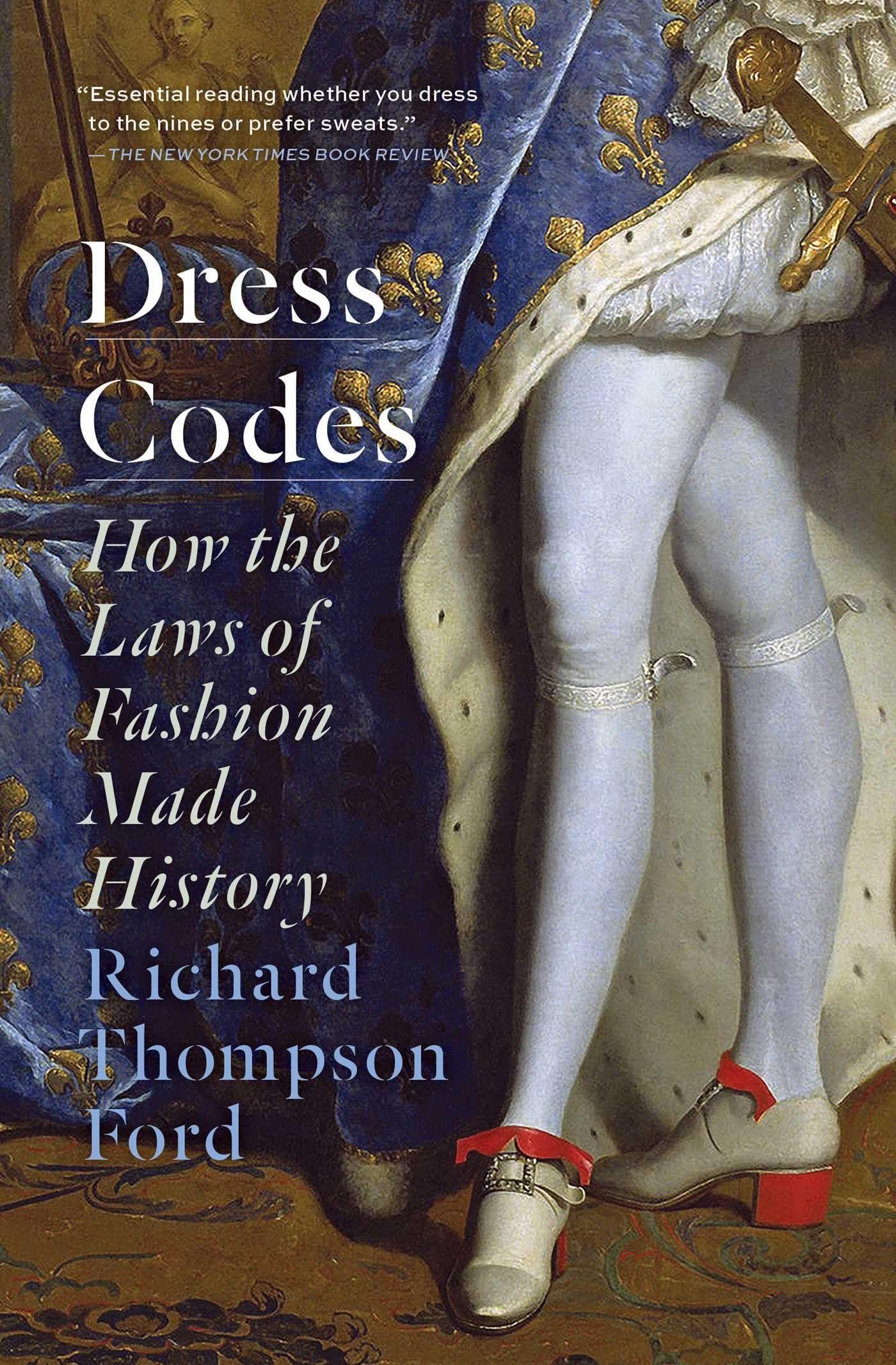
In recent years, Central Asia has witnessed a growing intersection of culture, identity, and governance as governments increasingly seek to regulate fashion within their borders. From official dress codes to restrictions on styles deemed inappropriate or politically sensitive, legislating fashion has become a new frontier in asserting control and shaping societal norms. This phenomenon, unfolding across countries such as Kazakhstan, Uzbekistan, and Kyrgyzstan, raises critical questions about individual freedom, cultural expression, and the role of state power in everyday life. This article examines the emerging trends in fashion legislation throughout Central Asia and explores the implications for citizens navigating these evolving sartorial landscapes.
Legislating Fashion in Central Asia Challenges and Cultural Impacts
Throughout Central Asia, governments are increasingly imposing regulations that shape not only the aesthetic realm but also the social fabric surrounding fashion. These legislative efforts often reflect deeper cultural dynamics, where administrations weigh the preservation of national identity against the pressures of modernization and global trends. For many designers and consumers alike, navigating these laws presents a formidable challenge, as restrictions can range from mandatory modesty codes to bans on certain foreign styles perceived as incompatible with local values. The tension between embracing creativity and adhering to conservative norms highlights a complex dialogue about what fashion represents in these societies.
These regulations are causing a ripple effect across various sectors linked to fashion, influencing everything from textile production to retail markets. Local artisans find themselves at a crossroads, balancing tradition with the demand for contemporary designs, while international brands must carefully consider their marketing strategies to avoid cultural pitfalls. The following table outlines some of the key legislative themes and their impacts across three Central Asian countries:
| Country | Fashion Regulation | Cultural Impact |
|---|---|---|
| Kazakhstan | Modesty guidelines for public attire | Revival of traditional Kazakh patterns |
| Uzbekistan | Restrictions on foreign fashion imports | Boost to local textile industries |
| Tajikistan | Licensing for fashion retailers | Limitation of foreign brand presence |
- Economic shifts: New laws often prioritize domestic fashion production, aiming to stimulate local economies.
- Social identity: Fashion legislation becomes a tool to reinforce historical narratives and cultural pride.
- Generational divides: Younger populations seek to challenge restrictions, creating intergenerational tensions.
Government Policies and Their Influence on Regional Fashion Industries
Across Central Asia, government interventions have become pivotal in shaping the trajectory of local fashion industries. From imposing tariffs on imported textiles to offering subsidies for homegrown designers, these policies seek to foster a distinctive regional style while protecting emerging markets from global competition. In Kazakhstan, for example, the government’s initiative to promote traditional crafts has revitalized interest in ethnic motifs, driving a resurgence in locally-produced garments that blend heritage with contemporary aesthetics. Meanwhile, Uzbekistan’s recent regulations encourage eco-friendly practices by mandating sustainable sourcing, aligning fashion growth with environmental responsibility.
However, these legislations present a complex mix of opportunities and challenges for manufacturers and retailers alike. Key government influences include:
- Import restrictions: Encouraging reliance on domestic materials but sometimes limiting variety.
- Tax incentives: Designed to attract investment into fashion hubs, boosting employment.
- Cultural preservation mandates: Enforced to maintain regional identity in designs.
| Country | Policy Focus | Impact on Fashion Sector |
|---|---|---|
| Kazakhstan | Traditional Craft Subsidies | Increased artisan collaborations |
| Uzbekistan | Sustainability Regulations | Rise in eco-conscious brands |
| Tajikistan | Import Tariffs | Growth in local fabric production |
Recommendations for Balancing Tradition and Modernity in Fashion Legislation
Crafting effective legislation in Central Asia’s fashion industry demands a nuanced approach that honors cultural heritage while embracing global trends. Lawmakers should prioritize policies that protect traditional artisans by offering incentives such as tax breaks, grants, and intellectual property rights focused on indigenous designs. Encouraging collaboration between local craftsmen and contemporary designers can foster innovation without eroding cultural identity. It is equally important to implement educational programs that raise awareness of the historical value behind traditional attire, ensuring both consumers and producers appreciate and preserve their unique fashion legacies.
At the same time, regulatory frameworks must remain flexible enough to accommodate the fast-paced evolution of modern fashion. Adopting standards that streamline the import and export of materials, while safeguarding ethical production practices, will enhance regional competitiveness on the international stage. A balanced approach might involve creating hybrid legal categories that recognize garments as both cultural symbols and commercial products. The following table outlines key policy measures with potential impacts for stakeholders across the fashion ecosystem:
| Policy Measure | Impact on Tradition | Impact on Modernity |
|---|---|---|
| IP Protection for Folk Designs | Preserves authenticity | Supports designer collaboration |
| Import/Export Streamlining | Facilitates material access | Boosts market reach |
| Ethical Production Standards | Respects artisan methods | Promotes sustainable innovation |
| Educational Campaigns | Increases cultural pride | Informs consumer choices |
- Community involvement should underpin policy development to ensure legislation reflects local values.
- Continuous dialogue between traditional artisans and fashion industry stakeholders fosters mutual understanding.
- Adaptive legal frameworks enable swift responses to global fashion shifts without compromising heritage.
To Wrap It Up
As Central Asian countries continue to navigate the complex intersection of culture, identity, and governance, the legislation of fashion emerges as a telling reflection of broader societal shifts. Radio Free Europe/Radio Liberty’s coverage highlights how these evolving legal frameworks not only regulate attire but also serve as instruments of political expression and social control. Observers will be watching closely as these policies unfold, revealing much about the region’s future trajectory in balancing tradition and modernity.