

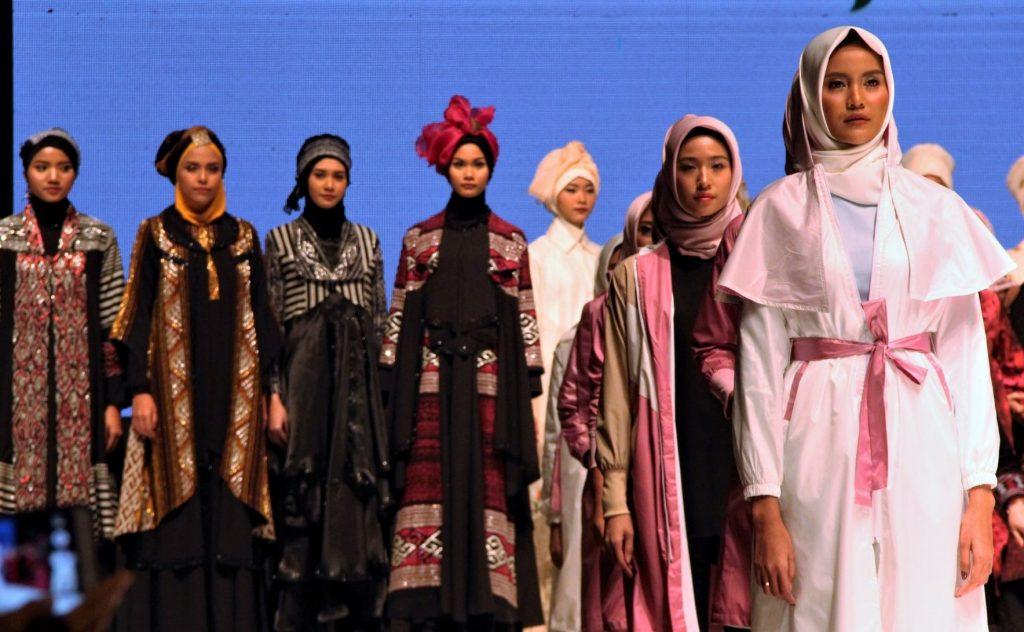
Indonesia’s modest fashion industry is intensifying its efforts to expand into international markets, aiming to capitalize on the growing global demand for stylish yet culturally mindful apparel. According to a recent report by Nikkei Asia, local designers and manufacturers are leveraging a combination of traditional craftsmanship and contemporary trends to attract consumers beyond Southeast Asia. This overseas push comes as the modest fashion segment experiences rapid growth worldwide, driven by rising Muslim populations and increased interest in inclusive clothing options. Indonesian fashion makers hope that their unique blend of heritage and innovation will secure a stronger foothold on the global stage.
Indonesia’s Modest Fashion Industry Targets Global Markets with Strategic Expansion
Indonesia’s modest fashion players are accelerating their presence beyond domestic borders, capitalizing on growing global demand for modest wear. Leveraging a blend of traditional craftsmanship and contemporary design, these brands are not only appealing to Muslim consumers worldwide but also attracting a broader audience seeking stylish, functional apparel. Key markets in the Middle East, Southeast Asia, and Europe have been identified as primary targets, with Indonesian fashion houses actively participating in international trade fairs and digital marketing campaigns to enhance brand visibility.
Strategic efforts focus on:
- Partnerships with regional distributors to streamline supply chains
- Investment in e-commerce platforms tailored for global shoppers
- Adoption of sustainable materials aligning with eco-conscious consumers
- Expansion of product lines blending cultural heritage with modern trends
| Market | Key Opportunity | 2023 Export Growth |
|---|---|---|
| Middle East | High demand for luxury modest wear | 22% |
| Southeast Asia | Emerging middle class | 18% |
| Europe | Rising interest in inclusive fashion | 15% |
Embracing Cultural Identity and Quality Craftsmanship to Appeal to Diverse Consumers
Indonesia’s modest fashion makers are increasingly integrating elements of traditional cultural identity with contemporary design to resonate with a global audience. By emphasizing handcrafted details, authentic textiles, and indigenous motifs, these brands offer more than just apparel-they provide a narrative that connects consumers to a rich heritage. This approach not only preserves cultural craftsmanship but also elevates it to meet international tastes, creating unique value propositions in competitive overseas markets.
The impact of this strategy is evident across various markets where consumers are seeking meaningful fashion choices aligned with ethical production and quality. Key factors driving success include:
- Artisanal techniques that highlight traditional weaving and embroidery
- Sustainable sourcing of materials supporting local communities
- Modern silhouettes adapted for versatility and global appeal
| Brand | Signature Craft | Target Market | Unique Selling Point |
|---|---|---|---|
| Seruni | Batik Printing | Malaysia, Middle East | Eco-friendly dyes & modern cuts |
| Luna Batik | Hand Embroidery | Europe | Customizable modest wear |
| Ratu Tenun | Ikats Weaving | North America | Heritage patterns with contemporary flair |
Recommendations for Indonesian Brands to Strengthen Digital Presence and Collaborative Partnerships Overseas
To elevate their digital footprint internationally, Indonesian modest fashion brands must leverage localized digital marketing strategies that resonate with diverse target audiences. Establishing a robust presence on platforms favored in key markets-such as Instagram and TikTok in Southeast Asia and the Middle East-can drive brand awareness and engagement. Furthermore, investing in multilingual websites and e-commerce solutions tailored to regional preferences will reduce barriers for consumers and enhance the overall shopping experience. Collaborations with local digital influencers, who embody the modest fashion ethos, offer a compelling way to build trust and cultural relevance in overseas markets.
Forging strategic partnerships with established foreign entities is equally critical. Beyond mere distribution agreements, Indonesian brands should seek joint ventures that foster knowledge exchange and co-creation, fueling innovation and expanding market reach. Attending and showcasing collections at global fashion trade shows can open doors to long-term alliances with international retailers and designers. Below is a snapshot of key steps for Indonesian brands to consider:
- Implement region-specific social media campaigns focusing on storytelling and cultural affinity
- Enhance e-commerce platforms with localized language support and payment options
- Partner with influential modest fashion bloggers and content creators abroad
- Engage in co-branding ventures to merge Indonesian heritage with international trends
- Participate in major fashion expos such as Dubai Modest Fashion Week and London Fashion Week
| Focus Area | Action | Expected Outcome |
|---|---|---|
| Digital Localization | Multi-language sites & tailored content | Higher conversion rates and user retention |
| Influencer Collaboration | Partner with niche modest fashion creators | Stronger brand authenticity and awareness |
| Trade Events | Showcase collections at global expos | Expanded distribution channels |
| Joint Ventures | Collaborate with foreign designers/retailers | Product innovation and market expansion |
The section provides a clear strategic overview and actionable recommendations for Indonesian modest fashion brands aiming to strengthen their international presence. Here’s a summary and analysis of the key points:
Summary
Main Strategies:
- Localized Digital Marketing:
– Target audiences on popular platforms like Instagram and TikTok, especially in Southeast Asia and the Middle East.
– Develop multilingual websites and e-commerce platforms adapted to regional preferences.
- Influencer Collaborations:
– Work with local influencers who embody modest fashion values to enhance cultural relevance and trust.
- Strategic Partnerships & Joint Ventures:
– Move beyond distribution deals to collaborative ventures with foreign designers and retailers to foster innovation and expand market scope.
- Participation in Global Trade Shows:
– Showcase collections at renowned events such as Dubai Modest Fashion Week and London Fashion Week to build industry connections and increase visibility.
Key Recommendations (Listed)
- Customized social media campaigns highlighting cultural stories.
- Enhanced e-commerce with localized support (languages, payment methods).
- Collaborations with bloggers and creators focusing on modest fashion globally.
- Co-branding to blend Indonesian heritage with international trends.
- Active involvement in major fashion expos.
Focus Areas Table:
| Focus Area | Action | Expected Outcome |
|———————|——————————————|————————————–|
| Digital Localization | Multi-language sites & tailored content | Higher conversion rates and user retention |
| Influencer Collaboration | Partner with niche modest fashion creators | Stronger brand authenticity and awareness |
| Trade Events | Showcase collections at global expos | Expanded distribution channels |
| Joint Ventures | Collaborate with foreign designers/retailers | Product innovation and market expansion |
Additional Suggestions or Improvements (if needed):
- Data-Driven Marketing: Use analytics to refine targeting strategies in each region.
- Customer Feedback Loop: Incorporate regional consumer feedback in design and marketing.
- Sustainability Messaging: Highlight eco-friendly practices, as it’s gaining importance globally.
- Localized Customer Service: Providing support in local languages can further improve trust and loyalty.
If you’d like, I can help create a detailed marketing plan or supportive content based on these recommendations.
The Conclusion
As Indonesia’s modest fashion industry gains momentum on the global stage, local designers and brands are increasingly leveraging their cultural heritage and contemporary aesthetics to capture overseas markets. With growing international demand for modest wear, these fashion makers are poised to not only elevate Indonesia’s profile in the global apparel sector but also contribute significantly to the country’s export economy. The continued strategic push abroad reflects both the sector’s ambition and the broader potential of Indonesia’s creative industries in the evolving landscape of global fashion.