

As global awareness of the environmental and social costs of fast fashion grows, Asia-home to many of the world’s largest textile manufacturing hubs-is facing increasing pressure to transform its apparel industry. The region, long synonymous with rapid, mass-produced clothing, now stands at a crossroads between continuing the fast fashion model and pioneering a shift toward circular fashion practices. This article explores whether Asia can overcome entrenched challenges to become a leader in sustainable, circular fashion solutions, examining initiatives, innovations, and the complex dynamics at play in one of the most critical arenas of the global fashion industry.
Asia Faces Critical Crossroads in Battling Fast Fashion Pollution
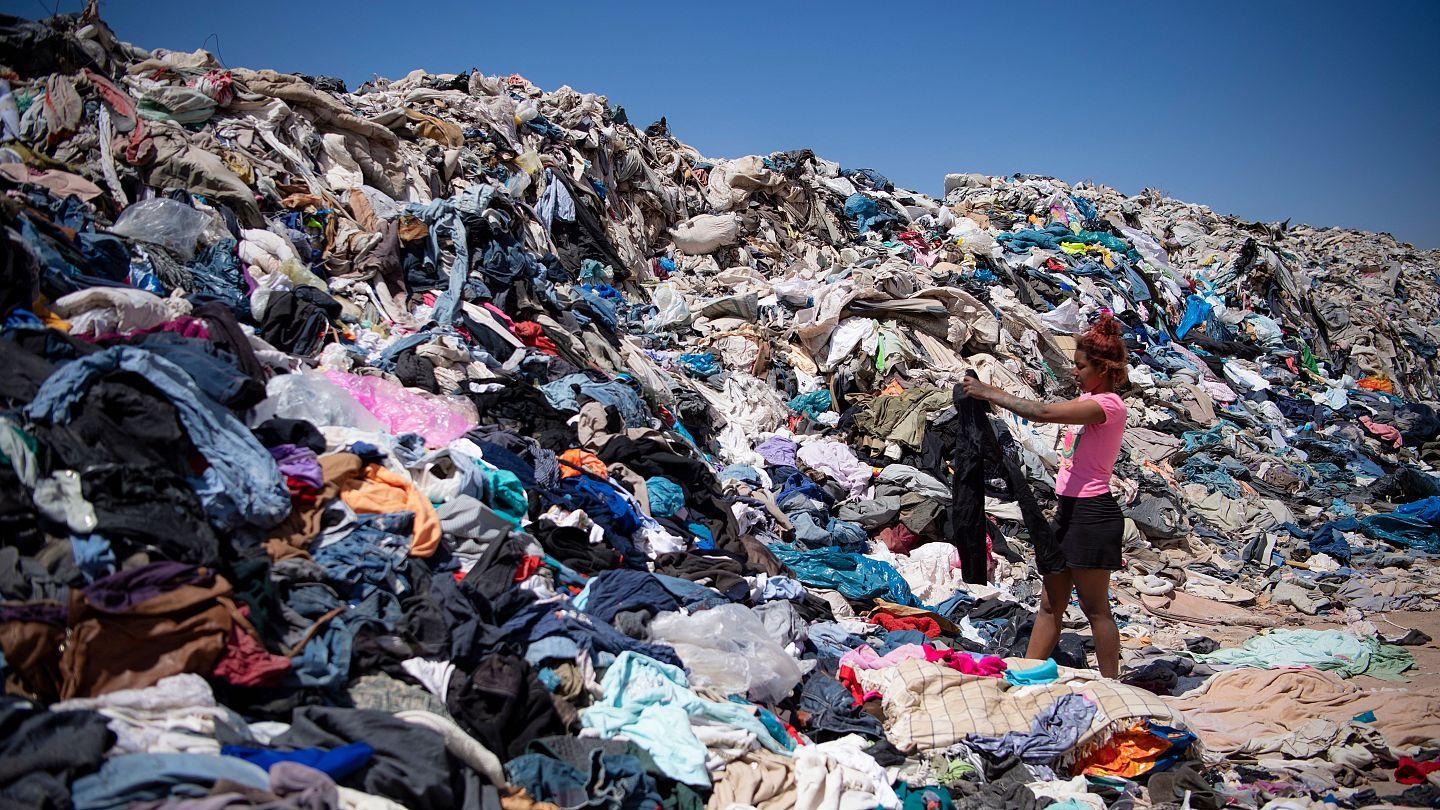
Asia’s booming textile and apparel industries are at a pivotal moment as the environmental toll of fast fashion becomes impossible to ignore. The region, home to some of the world’s largest manufacturing hubs, produces an estimated 60% of global apparel yet faces mounting challenges from waste, water pollution, and carbon emissions. Governments and brands are increasingly under pressure to implement sustainable practices, but hurdles remain in infrastructural readiness and consumer behavior. Key environmental concerns include:
- Massive volumes of non-recyclable textile waste clogging landfills.
- Rivers contaminated by toxic dyes and untreated industrial effluents.
- High levels of greenhouse gases from production and logistics.
To combat these, innovation in circular fashion models is gaining traction. Efforts focus on redesigning supply chains, incorporating recycled fibers, and promoting take-back schemes to close the loop. Below is a snapshot outlining potential shifts between current challenges and future solutions in Asia’s fashion ecosystem:
| Aspect | Fast Fashion Impact | Circular Fashion Potential |
|---|---|---|
| Material Use | Reliance on virgin synthetic fibers | Repurposing post-consumer textiles |
| Waste Management | Landfill dumping & incineration | Closed-loop recycling & upcycling |
| Energy Consumption | Fossil fuel dependency | Renewable energy powered production |
Innovative Technologies and Policies Driving Circular Fashion Initiatives
Across Asia, an escalating movement towards sustainable fashion is powered by cutting-edge innovations and progressive policy frameworks. Tech advances such as blockchain-enabled supply chain transparency allow brands to trace garment lifecycle from raw materials to resale, ensuring accountability and reducing waste. Simultaneously, AI-driven design tools optimize fabric usage, minimizing offcuts and single-use textiles. Startups are pioneering smart sorting facilities that leverage machine learning to enhance textile recycling rates, significantly curbing landfill contributions. These technologies, intertwined with growing investor interest, are propelling circularity beyond buzzwords to actionable business models.
Governments and industry bodies are aligning efforts to legislate circular mandates and incentivize eco-friendly production. Notable policies include extended producer responsibility (EPR) programs, tax reliefs for sustainable manufacturing, and bans on single-use plastics in garment packaging. The table below highlights key policy initiatives shaping circular fashion across major Asian markets:
| Country | Policy Initiative | Impact Focus |
|---|---|---|
| Japan | Textile Recycling Act | Mandatory textile waste collection |
| South Korea | Sustainable Fashion Tax Credits | Incentives for eco-materials use |
| India | Green Manufacturing Guidelines | Regulation on chemical use and water conservation |
| China | Circular Economy Promotion Law | Industry-wide resource efficiency targets |
- Collaborative platforms are emerging to connect designers, recyclers, and manufacturers, streamlining material reuse.
- Public awareness campaigns are shifting consumer mindsets towards valuing longevity over disposability.
Collaboration Between Governments and Industry Key to Sustainable Transformation
Realigning the fashion industry’s trajectory in Asia hinges on a concerted effort between policymakers and corporate leaders. Governments are increasingly recognizing that regulatory frameworks alone cannot drive sustainability; instead, proactive partnerships with industries catalyze meaningful change. This collaboration empowers stakeholders to co-develop standards that enhance transparency, promote circular economy principles, and reduce environmental footprints. From incentivizing sustainable production practices to supporting innovation in recycling technologies, these joint initiatives are pivotal in dismantling fast fashion’s detrimental legacy.
Key strategies emerging from government-industry alliances include:
- Establishing clear sustainability certifications to guide consumers and brands
- Investing in eco-friendly infrastructure, such as textile waste processing facilities
- Launching educational campaigns to shift consumer behavior toward circular consumption
- Encouraging shared research and development on sustainable materials and design
| Stakeholder | Role in Sustainable Transition | Example Initiative |
|---|---|---|
| Government | Policy-making & Enforcement | Green subsidies for circular startups |
| Industry | Innovation & Implementation | Closed-loop garment production |
| NGOs | Advocacy & Awareness | Consumer education drives |
Final Thoughts
As Asia stands at the crossroads of its fashion future, the transition from a fast fashion powerhouse to a leader in circular fashion is both a formidable challenge and a critical opportunity. With mounting environmental pressures and growing consumer awareness, industry stakeholders across the region are beginning to embrace sustainable practices, innovative recycling technologies, and collaborative policy frameworks. While the road ahead remains complex, Asia’s vast manufacturing infrastructure and evolving market dynamics position it uniquely to redefine global fashion norms. Whether this potential can be fully realized will depend on coordinated efforts between governments, businesses, and consumers committed to turning the tide on fast fashion’s environmental impact. The coming years will reveal if Asia can indeed transform its fast fashion nightmare into a sustainable circular fashion solution.