

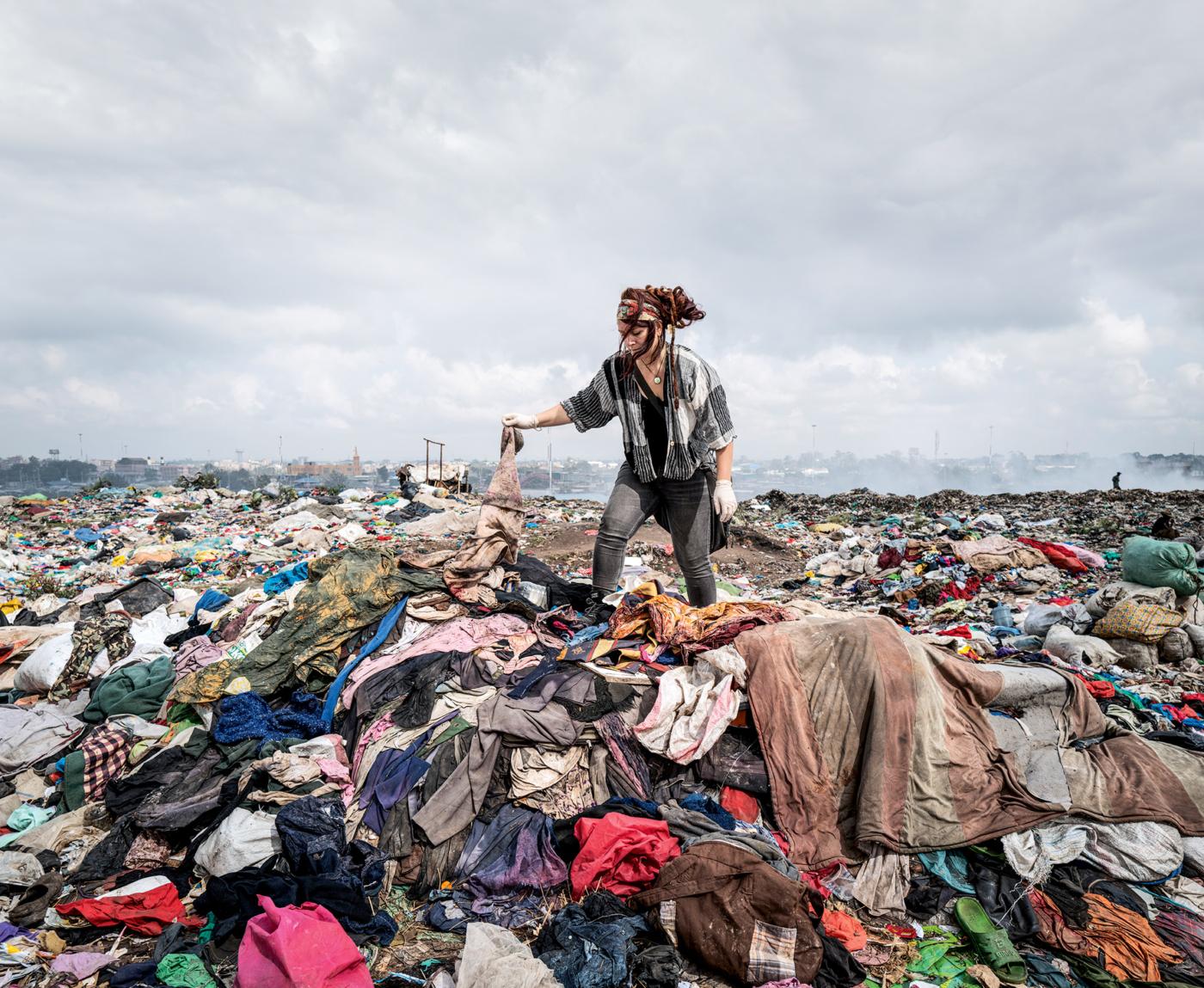
Fast fashion, long criticized for its environmental and social impacts, is revealing a deeper, coal-related challenge that threatens global sustainability efforts. According to recent investigations highlighted by Eco-Business, the industry’s insatiable demand for cheap, rapid production is heavily reliant on coal-powered energy, particularly in key manufacturing hubs. This dependence not only exacerbates carbon emissions but also complicates the apparel sector’s transition to cleaner, greener practices. As consumers and policymakers push for greater transparency and accountability, understanding the coal footprint embedded in our clothing supply chains has become an urgent priority.
The Hidden Carbon Emissions Behind Fast Fashion’s Global Supply Chain
Behind the glossy catalogs and runway shows lies a complex web of manufacturing processes heavily reliant on fossil fuels, particularly coal. From raw material extraction to fabric production and garment assembly, every stage of the fast fashion supply chain generates significant carbon emissions. Countries leading global textile manufacturing, like China and India, still depend largely on coal-powered energy plants, making their industrial outputs one of the most carbon-intensive sectors worldwide. These emissions are often hidden, bundled into the shirt or jeans price tag but rarely accounted for in environmental assessments by brands and consumers alike.
The environmental toll is compounded by logistics and distribution networks that operate 24/7 to meet the insatiable demand for new styles. Shipping containers crossing oceans and trucks delivering goods to millions of stores add layers of greenhouse gases, increasing fast fashion’s carbon footprint.
- Coal dependence: Up to 70% of energy used in textile-producing regions comes from coal-powered plants.
- Emission hotspots: Dyeing and finishing processes release toxic effluents alongside CO2.
- Logistics impact: Air freight for fast fashion items can emit five times more CO2 than sea transport.
| Stage | Primary Emission Source | Carbon Intensity |
|---|---|---|
| Raw Material Production | Coal-powered machinery | High |
| Fabric Manufacturing | Coal-based electricity | Very High |
| Garment Assembly | Diesel generators, lighting | Medium |
| Global Shipping | Fossil fuel combustibles | High |
How Coal Dependence Drives Environmental Degradation in Textile Production
The textile industry’s reliance on coal as a primary energy source has become a critical driver of environmental harm. Coal-fired power plants, notorious for their high carbon emissions, contribute significantly to air pollution and climate change, both of which severely impact ecosystems around textile manufacturing hubs. The fast fashion supply chain, with its demand for rapid and cheap production, perpetuates this dependence, locking factories into energy systems that emit large quantities of greenhouse gases and toxic pollutants like sulfur dioxide and mercury.
Beyond carbon emissions, coal combustion generates substantial quantities of hazardous waste, including fly ash and sludge, which often leach into surrounding soil and waterways. This contamination leads to biodiversity loss and poses serious health risks for local communities. Key environmental consequences linked to coal use in textile production include:
- Water pollution from toxic runoff affecting aquatic life
- Air quality degradation due to particulate matter and heavy metals
- Soil toxicity undermining agricultural productivity
| Impact | Description | Scale |
|---|---|---|
| CO₂ Emissions | Massive release from coal-based power plants | 720 MT/year* |
| Water Contamination | Heavy metal leaching into waterways | Local to Regional |
| Air Pollutants | Particulates and sulfur dioxide emissions | Urban Industrial Zones |
| *MT = Million Tonnes | ||
Strategies for Retailers to Transition Away from Coal and Embrace Sustainable Alternatives
Retailers invested in fast fashion face increasing pressure to divest from coal-driven energy sources and pivot toward renewable alternatives that align with global climate goals. To facilitate this transformation, companies must first conduct comprehensive energy audits to identify coal dependency across their supply chains. Implementing energy efficiency measures, such as upgrading to LED lighting and optimizing logistics, can substantially reduce coal-related emissions without compromising operational capacity. Additionally, forging partnerships with certified green energy providers or investing directly in on-site solar or wind installations offers a viable pathway to both reducing carbon footprints and generating long-term cost savings.
Key approaches for retailers include:
- Transitioning facilities to renewable energy contracts through power purchase agreements (PPAs)
- Incentivizing suppliers to adopt sustainable manufacturing processes
- Leveraging technology for supply chain transparency and coal usage tracking
- Launching consumer awareness campaigns to reinforce commitment to sustainability
| Strategy | Expected Impact | Implementation Timeline |
|---|---|---|
| Energy Audits | Identify coal hotspots | 1-3 months |
| Renewable PPAs | Lower carbon emissions | 6-12 months |
| Supplier Incentives | Cleaner manufacturing | Ongoing |
| Consumer Engagement | Builds brand trust | 3-6 months |
Insights and Conclusions
The fast fashion industry’s reliance on coal not only deepens its environmental footprint but also highlights a broader challenge within global supply chains striving for sustainability. As consumers become increasingly aware of the hidden costs behind their clothing, pressure is mounting on brands to adopt cleaner energy sources and more transparent practices. Addressing the coal problem is a critical step toward reducing the sector’s carbon emissions and aligning with international climate goals. Without significant action, fast fashion risks perpetuating environmental harm that undermines efforts to create a greener, more responsible industry.