

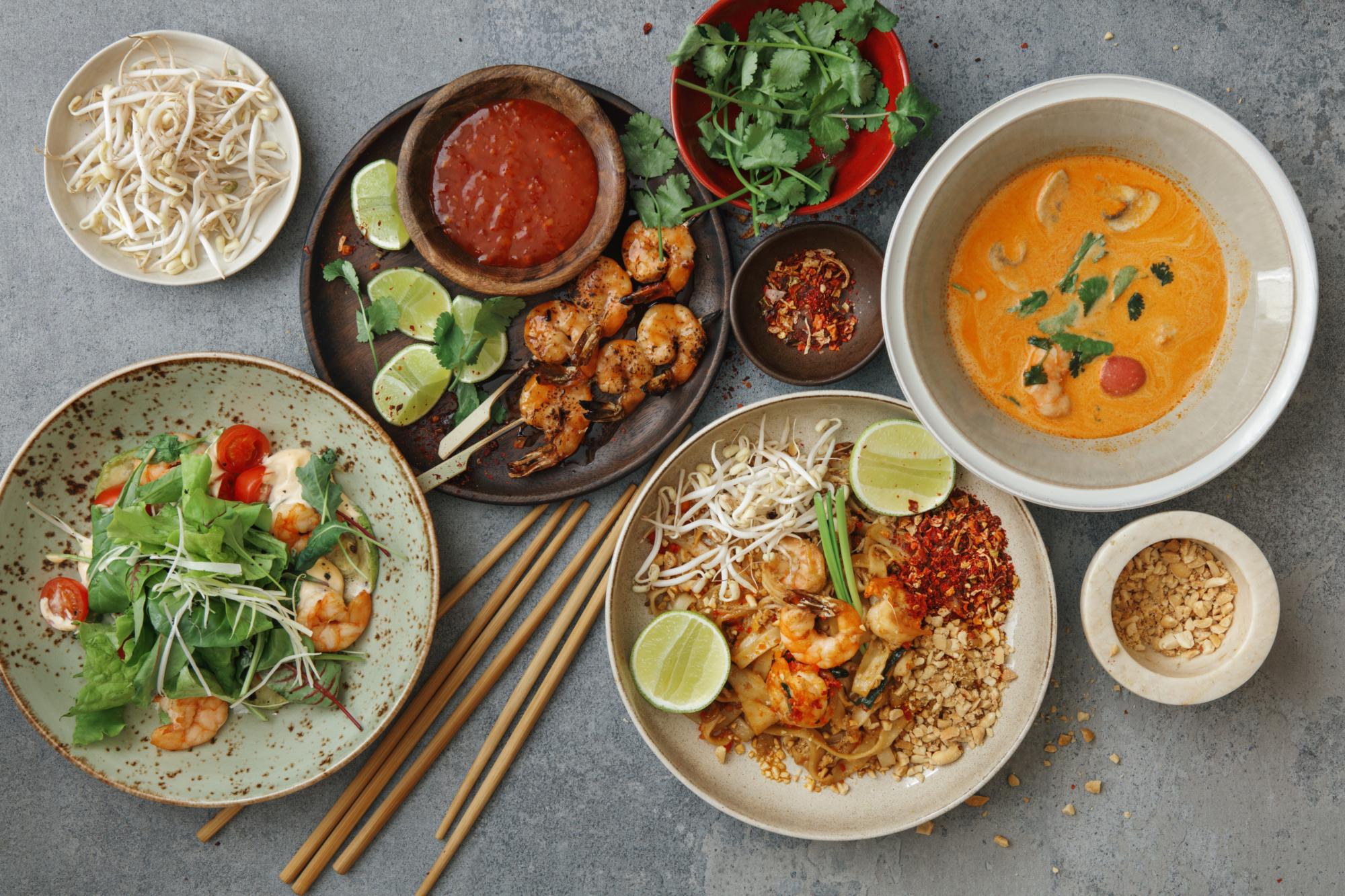
Southeast Asian cuisines are rapidly gaining prominence on menus across the United States, signaling a flavorful shift in American dining trends. According to the latest report from the National Restaurant Association, dishes inspired by countries such as Thailand, Vietnam, Indonesia, and Malaysia are among the hottest culinary influences captivating U.S. restaurant-goers. This surge reflects a growing appetite for bold, diverse flavors and a broader cultural curiosity that is reshaping the nation’s food landscape.
Southeast Asian Flavors Drive Culinary Innovation Across American Menus
American chefs are increasingly turning to the vibrant and diverse flavors of Southeast Asia to reimagine traditional dishes and craft bold new culinary experiences. From the tangy heat of Thai chili pastes to the fragrant, herbal notes of Vietnamese basil and lemongrass, these ingredients have found a permanent place on menus across the nation. Restaurants are blending fiery sambal with locally sourced ingredients, creating unique sauces and marinades that excite diners eager for novel taste sensations. This fusion trend emphasizes not just flavor but also authenticity, with many establishments seeking partnerships with Southeast Asian suppliers to ensure genuine taste profiles.
Menu offerings spotlighted by the National Restaurant Association highlight the versatility and appeal of Southeast Asian cuisines. Dishes featuring pho-inspired broths, char siu pork with hoisin glaze, and nasi goreng bowls are proving popular among all age groups. Behind the scenes, culinary innovators are leveraging traditional techniques such as fermentation and grilling, while also experimenting with contemporary presentations. The table below illustrates the rise in menu mentions of select Southeast Asian ingredients at U.S. eateries over the last five years, underscoring their growing influence in the American dining landscape.
| Ingredient | Menu Mentions (2019) | Menu Mentions (2024) | % Increase |
|---|---|---|---|
| Fish Sauce | 1,200 | 3,850 | 221% |
| Galangal | 450 | 1,300 | 189% |
| Sambal | 600 | 2,200 | 267% |
| Tamarind | 950 | 2,700 | 184% |
Chefs Embrace Ingredients Like Lemongrass and Kaffir Lime to Elevate Dishes
In a bid to captivate increasingly adventurous diners, chefs across the United States are turning to bold, aromatic ingredients traditionally found in Southeast Asian kitchens. Lemongrass and kaffir lime, with their vibrant citrus notes and unique fragrances, are being incorporated to add depth and brightness to a variety of dishes. From seafood entrees to innovative cocktails, these ingredients offer a refreshing twist that elevates familiar flavors into something extraordinary.
Restaurants are leveraging these components not only for flavor but also for their versatility and health appeal. Highlights include:
- Lemongrass: used in marinades, broths, and desserts for its zesty aroma;
- Kaffir lime leaves: integral in soups and curries to impart a uniquely tangy and fragrant layer;
- Infused oils and pastes: enhancing sauces and dressings to add complexity without overwhelming the palate.
| Ingredient | Common Uses | Flavor Profile |
|---|---|---|
| Lemongrass | Broths, teas, marinades | Bright, citrusy, slightly herbal |
| Kaffir Lime | Curries, soups, sauces | Sharp, tangy, aromatic |
Tips for Restaurateurs Looking to Incorporate Authentic Southeast Asian Cuisine
Mastering authentic flavors is essential when introducing Southeast Asian dishes to your menu. Start by sourcing quality, traditional ingredients such as tamarind, lemongrass, galangal, and kaffir lime leaves. Collaborate with experienced chefs or culinary consultants familiar with the regional techniques to ensure each dish respects its cultural roots. Training your kitchen staff on the balance of sweet, sour, salty, and spicy elements typical of this cuisine will elevate the dining experience and help build loyal customer interest.
Beyond the kitchen, creating an immersive atmosphere can strengthen the connection to Southeast Asian culture. Consider incorporating subtle design elements such as bamboo accents, soft lantern lighting, or authentic artwork that reflect the region’s aesthetic. Additionally, educate your front-of-house team to communicate the story behind the dishes, turning each meal into a cultural journey. Below is a quick guide to popular dishes from key Southeast Asian countries and their signature tastes, useful for menu planning.
| Country | Signature Dish | Flavor Profile |
|---|---|---|
| Thailand | Tom Yum Soup | Spicy, sour, aromatic |
| Vietnam | Pho | Umami, mild, fresh herbs |
| Indonesia | Nasi Goreng | Savory, slightly sweet, smoky |
| Malaysia | Rendang | Rich, spicy, creamy |
| Philippines | Adobo | Savory, tangy, garlic-infused |
Final Thoughts
As Southeast Asian flavors continue to captivate American palates, U.S. restaurants are embracing this culinary trend with renewed enthusiasm. The National Restaurant Association highlights how dishes from countries like Thailand, Vietnam, and Indonesia are not only adding diversity to menus but also driving innovation across the industry. With consumers seeking bold, authentic tastes, Southeast Asian cuisine is poised to remain a significant influence on the American dining scene in the years ahead.